


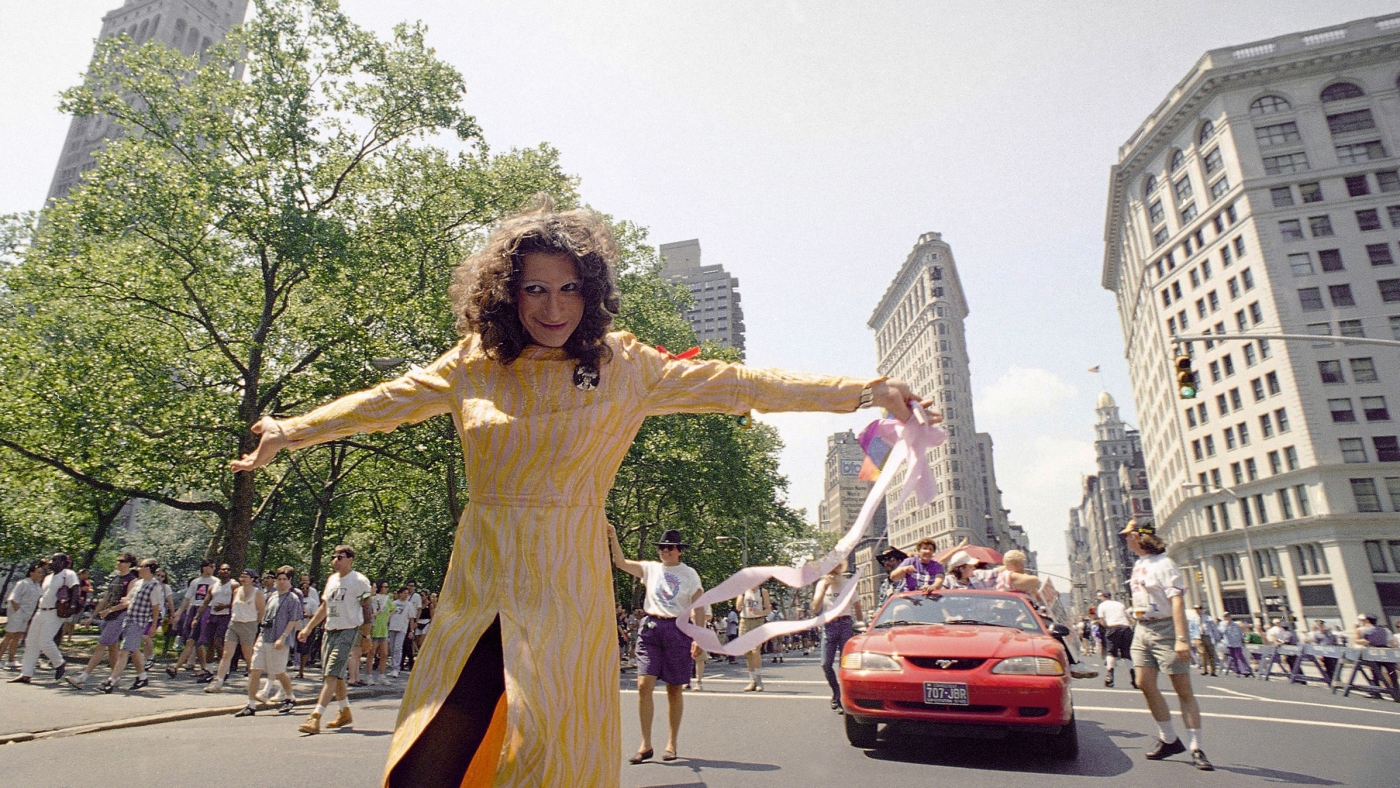
Webpages Honoring Transgender Activists Removed by the National Park Service
In a swift series of moves, the National Park Service has discreetly taken down online content previously dedicated to prominent transgender activists like Sylvia Rivera and Marsha P. Johnson, who played pivotal roles during the Stonewall Uprising of 1969. This event was a significant moment in the fight for LGBTQ rights.
These deletions form part of a broader federal initiative aiming to cleanse the National Park Service's digital presence of materials tied to LGBTQ history.
Gaps in History Preservation
The removal of these pages appears inconsistent. While some content remains temporarily accessible, other vital resources, such as studies detailing LGBTQ history in the U.S., have been partially erased. Furthermore, the terms 'transgender' and 'queer' have been selectively omitted from certain sections of the National Park Service's website.
Sites highlighting figures like Pauli Murray, a civil rights advocate and groundbreaking Episcopal priest, have also been targeted, yet some references linger on.
Reaction and Backlash
These actions have drawn strong criticism from groups such as the National Parks Conservation Association. Alan Spears, a senior director of the organization, emphasized that erasing LGBTQ history not only sets a worrying precedent but also undermines the availability of this information in national parks and on NPS platforms.
Spears insists that the removal of these educational resources jeopardizes the National Park Service's duty to present comprehensive American histories.
A Call for Restoration
The National Parks Conservation Association has strongly urged the federal government to reinstate the previously deleted online content. Meanwhile, an NPS spokesperson has articulated that such changes are part of the execution of specific executive and departmental orders.
Historical Context and Impact
Michael Bronski, a scholar from Harvard University, observed that the removed pages often featured Black activists and related spaces. He remarked that this deliberate act represents a wider attempt to symbolically dismantle the achievements of the LGBTQ movement, including public recognition and visibility.
Bronski asserts that eliminating records won't erase the existence of LGBTQ people but threatens to distort the historical narrative.
Leave a Reply