


Understanding the Role of America's New Affordability Leader
The U.S. government is taking a new stance on the cost of living by introducing an 'affordability czar,' a move aimed at mitigating the financial strain faced by citizens. This initiative comes as part of ongoing efforts to address soaring expenses for essentials.
President Trump announced measures designed to 'reestablish affordability' in a recent address, cautioning that these changes might initially disrupt the status quo.
On the same day, tariffs affecting Canadian and Mexican imports were imposed. Economists speculate these levies could exacerbate the financial pressure already felt by everyday Americans.
An analysis by the Peterson Institute for International Economics predicts that the tariffs on products from Canada, China, and Mexico could significantly impact household budgets without factoring in additional duties on Chinese goods.
David French from the National Retail Federation emphasized that these tariffs mean consumers will inevitably face higher prices for everyday items.
To confront this issue head-on, the federal government plans to inaugurate an 'affordability czar' alongside an affordability council. Treasury Secretary Scott Bessent disclosed this strategy during an interview on 'Face the Nation.'
"We have zeroed in on this matter with precision," stated Bessent.
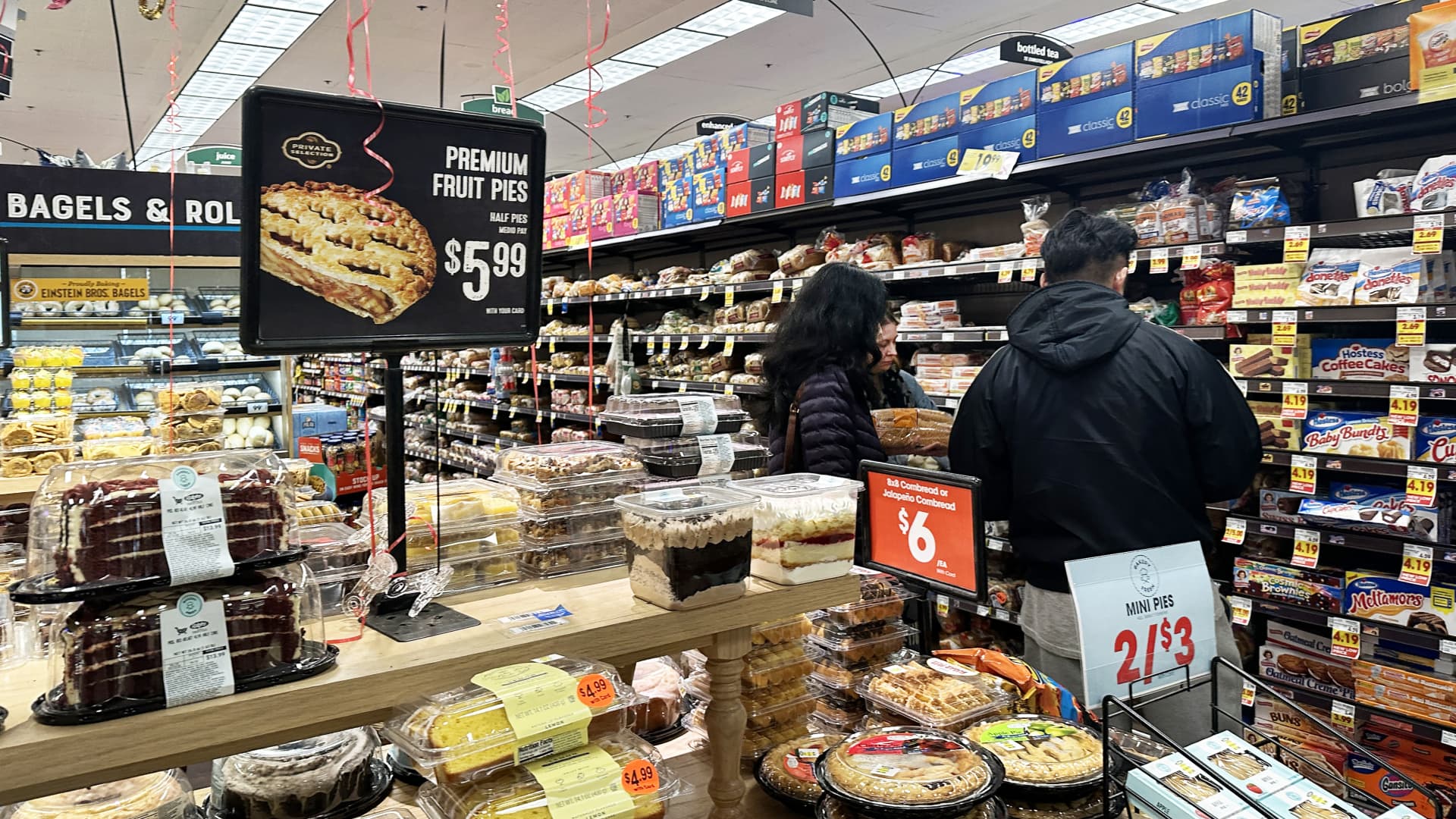
Bessent elaborated that this new role will focus on key sectors where reducing costs could substantially assist working families. These areas might include housing, automobiles, groceries, electronics, and household appliances, all of which have seen considerable price increases.
Economic Pressures on Consumers
Despite some stabilization in recent months, the expected moderation in price hikes has not materialized to the extent anticipated by the Federal Reserve. Elevated expenses for essentials like food and accommodation continue to stretch personal finances.
In February, the Conference Board reported a drop in consumer confidence, marking its lowest point since August 2021 amid concerns over tariffs and inflation trends.
Jack Kleinhenz, chief economist at the National Retail Federation, pointed out that unclear governmental strategies can dampen consumer spending and disrupt business planning, impacting employment and investment decisions.
Strategies for Cost Control
As living costs rise, consumers can take proactive steps to conserve funds. Andrea Woroch, a consumer savings expert, advises eliminating unnecessary expenditures from monthly budgets.
One approach is reassessing recurring charges. Woroch shares practical tips, starting with managing grocery expenses through meal planning without making it complex.
Select recipes that use overlapping ingredients to maximize your grocery budget weekly.
"The key to saving is reducing waste," she notes.
Woroch suggests another tactic: reverse meal planning—base your menu on current store discounts and restrict purchases to your prepared list during shopping.
Additionally, preparing meals in larger batches and freezing portions helps avoid costly takeout down the road.
Finally, use cashback credit cards for purchasing essentials like groceries, fuel, and utilities to earn back on your expenditures.
"These strategies target major spending categories, providing opportunities for cashback," Woroch adds.
Leave a Reply