


Understanding the Impact of Trump's Tariffs on Consumers
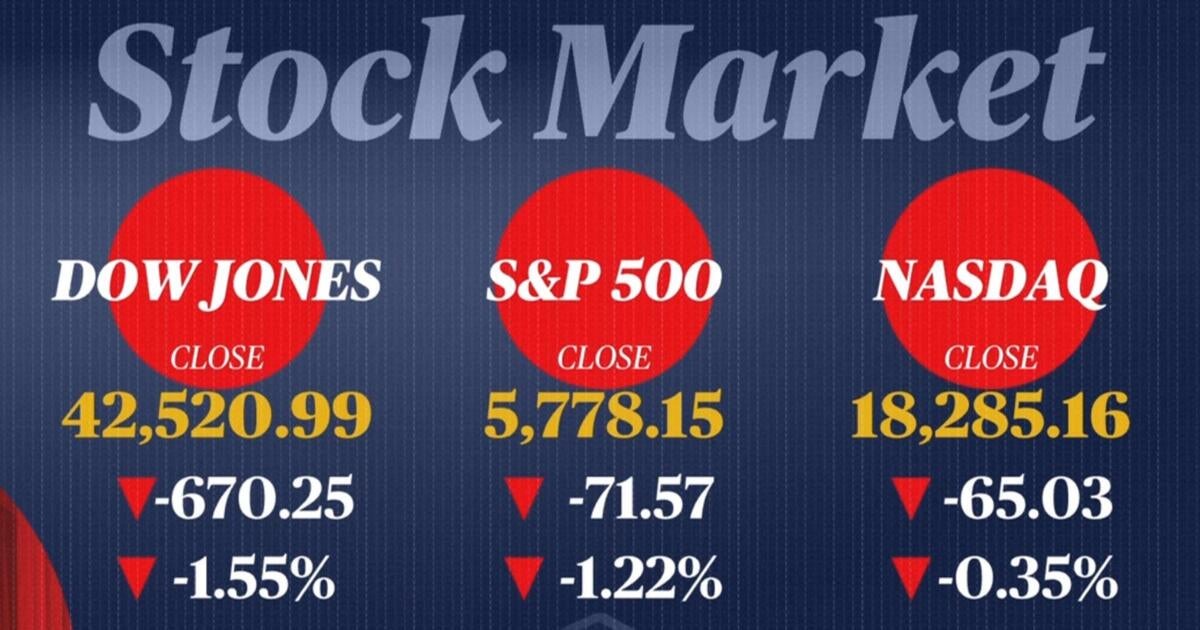
The trade conflict brewing under the Trump administration's tariffs could have significant consequences that extend far beyond the immediate reactions seen in stock markets. While investors are usually the first to react to trade policies, it's the broader consumer base that may ultimately feel the widest range of effects.
Trade policies such as tariffs can result in higher prices for goods, impacting the day-to-day cost of living for families. When tariffs are imposed on exports from other countries, the costs can be passed down the supply chain, leading to more expensive imports for consumers. This can inflate prices on a wide range of products from electronics to household items, which may lead to a decrease in consumption or force families to choose more budget-friendly alternatives.
Moreover, businesses facing increased costs due to tariffs may need to adjust their operations. Some could pass these additional costs on to customers, while others might absorb them, which could in turn affect profit margins and potentially lead to reduced hiring or delayed business expansion plans.
Beyond the immediate financial implications, tariffs can have long-term effects on international relationships and trade dynamics. They may alter where companies choose to source their products, how supply chains are organized, and how competitive certain markets remain.
As these ripples spread, it's important for consumers to be aware of how trade policies might influence their purchasing power. Monitoring how these policies affect market dynamics can help individuals make informed financial decisions in response to fluctuations in both pricing and availability of goods.
Leave a Reply