


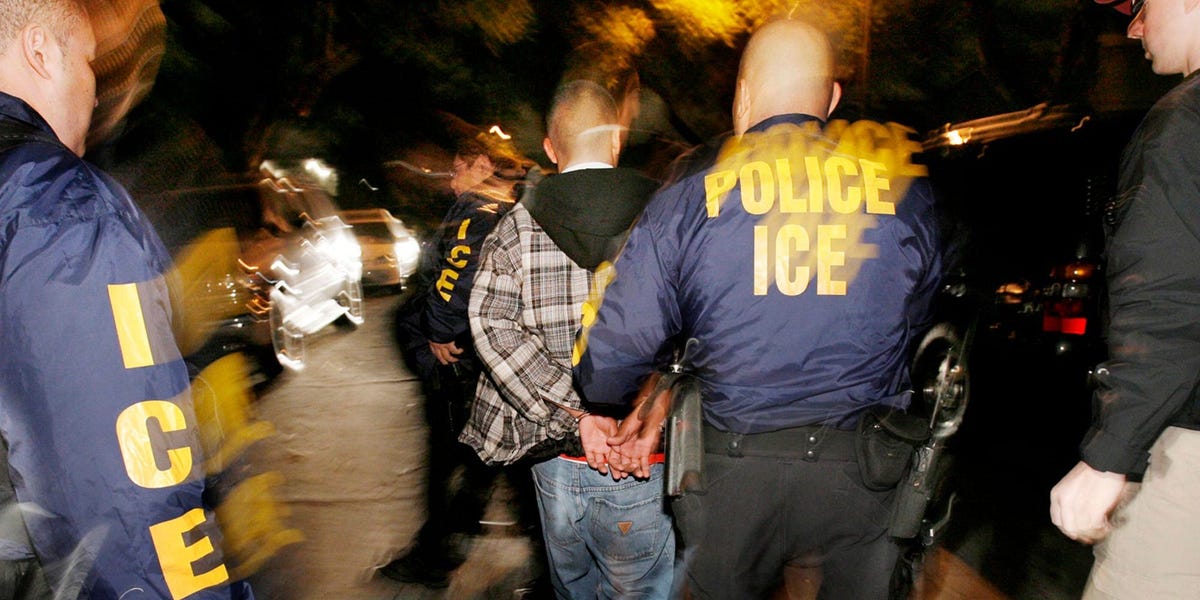
Trump's Deportation Plans Stir Market Concerns Among Shopkeepers
Impacts on Local Commerce
Since the swearing-in of President Trump for a subsequent term, McDonald Romain has witnessed a downturn in the number of patrons visiting his Brooklyn-based Southside Market.
As a 64-year-old entrepreneur offering unique and tropical fruits primarily to Afro-Caribbean residents in Little Caribbean, Romain observed more footfall during the pandemic than now. Notably, people travel long distances, even from Delaware, for these nostalgic goods. He notes a startling 25% decline in visitors this year, attributing this to the intensified fear of ICE operations.
Worry and speculation about mass immigration enforcement actions have unsettled immigrant-heavy districts from New York City and Chicago to Los Angeles. Romain, alongside another business owner, expressed to Business Insider his concerns about how this environment detrimentally impacts his shop—leading to a drop in customers and anxious staff.
Future of Small Enterprises at Risk
Giovanni Peri, an economist from UC Davis focusing on the economic effects of migration, mentioned that such uncertainties could spell trouble for smaller enterprises, which lack the financial leeway of larger corporations.
According to Peri, "Smaller businesses don't possess the same financial buffer as their larger counterparts. A few months of reduced income may lead to closure, while big companies can survive tapping into their reserves."
Persistent Rumors and Anxiety
On his reelection day, Trump embarked on aggressive changes concerning immigration and pledged the 'most massive deportation initiative in the nation's history.' Nevertheless, data suggests the initial deportee figures were less than monthly averages under Joe Biden's last year, as per reports from Reuters.
While concrete statistics on the exact impact of ICE threats on businesses remain uncollected, there's an evident climate of intimidation. Many residents of immigrant-rich communities feel unsafe leaving their homes, depriving local stores like Romain's of customers, resulting in decaying stock.
Romain noted the close-knit nature of the community, stating, "If something happens in the neighborhood, word spreads quickly."
One of his patrons recounted an incident in early February when she was stopped by unmarked cars demanding identification, underscoring the pervasive atmosphere of fear even among documented immigrants, according to Romain.
Restaurant Industry Hit Hard
Ted Paizis, owner of the Mediterranean eatery Nupa, detailed the financial strain his business faced following an ICE operation in his Minnesota branch's parking area on February 12, resulting in the apprehension of two staff members.
This forced closure of one of the restaurant's branches to address recruitment challenges. Moreover, Paizis mourns losing a reliable employee of seven years, contributing significantly to the enterprise.
Overcoming labor shortfalls isn't straightforward in light of a national workforce deficit. As Peri pointed out, many hospitality sectors, reliant on undocumented workers, face critical shortages should mass deportations proceed. According to Pew Research, around 8.3 million workers fell under this bracket in 2022.
Concerns about possible arrests extend to remaining employees, particularly among Hispanic team members aware of similar cases.
Leave a Reply