


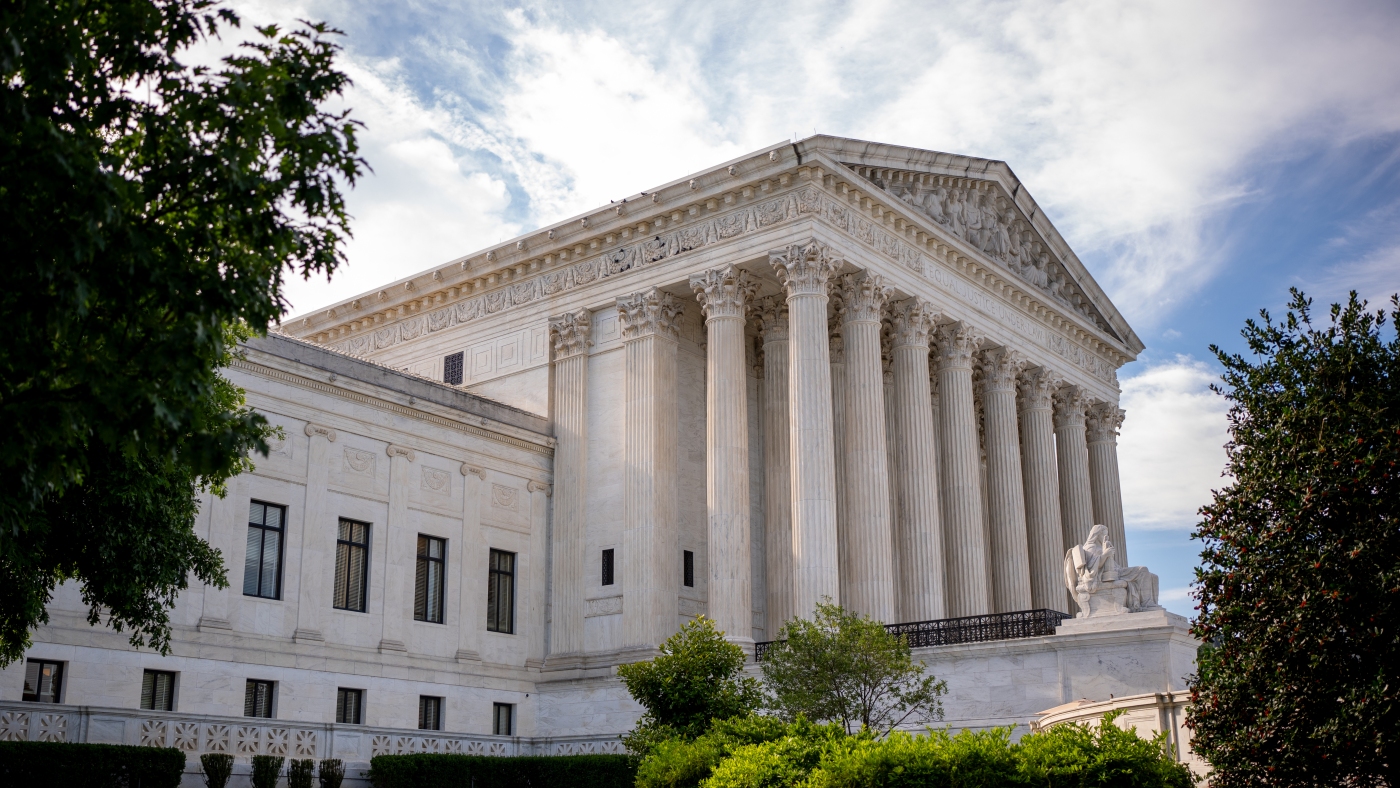
Supreme Court Affirms Payment Mandate for USAID Contractors
The United States Supreme Court made a significant decision this Wednesday, impacting the actions of the previous administration under President Trump.
They have chosen to uphold a decision from a lower court which compels the Trump administration to settle unpaid invoices for foreign aid provided by various contractors, summing up to approximately $2 billion.
In this ruling, Justice Samuel Alito voiced his disagreement, backed by Justices Clarence Thomas, Neil Gorsuch, and Brett Kavanaugh.
This isn't expected to be the last we hear on the matter, a dispute originally initiated merely a couple of weeks ago by significant aid organizations—the AIDS Vaccine Advocacy Coalition along with the Global Health Council—as they contested the Trump administration's freeze on financial support through USAID and the State Department.
Federal Judge Amir Ali, brought into the judiciary by President Biden in 2024, initially issued a temporary injunction to ensure continuation of funding while legal proceedings were underway.
Subsequent to this, the Coalition requested another legal intervention when the government supposedly did not adhere to the issued orders. Judge Ali, without declaring contempt, enforced his directive but did not penalize the government. Just days before the expiration of the restraining order, an explicit command was issued mandating payment for services already carried out.
In reaction, Sarah Harris, acting on behalf of the Trump administration, sought intervention from the U.S. Court of Appeals in D.C. to prevent Judge Ali's decision from taking effect. However, her request was denied due to the temporary nature of such restraining orders.
As deadlines neared, the matter was brought in front of Chief Justice John Roberts due to his supervisory role over the D.C. Circuit Court. Roberts, intending to allow further legal debate, granted a provisional stay to permit the filing of additional briefs. Media characterized this as a potential win for Trump, although it likely allowed the full court an opportunity to delve deeper into the issues.
The final order, supporting Judge Ali's stance, was released on the following Tuesday. This resolution orders the current administration to, at least temporarily, fulfill some of its financial duties. There remains uncertainty about whether all congressional allocations will eventually have to be dispensed.
This ruling is but the initial step in what is anticipated to be a protracted legal encounter. The Trump administration argued that the lower court's stringent deadlines left them with insufficient time to responsibly manage their financial commitments, describing the court's sudden directive as overwhelming bureaucratic operations. Furthermore, they contended that the lower court overreached its constitutional limits.
Conversely, the AIDS Vaccine Advocacy Coalition rebutted, stating that the urgency was a result of the administration's own actions. They highlighted that the administration had previously been directed to reinstate funding yet chose not to act until the restraining order was almost nullified. Ultimately, Judge Ali's guidance was seen by the Coalition as simply reestablishing the status quo by reinforcing existing agreements.
Leave a Reply