


President Trump: A Shifting Stance on Global Respect
Donald Trump has long claimed from his rally stages that his leadership reinvigorated America's global esteem, despite evidence to the contrary from international surveys since his initial term.
Yet, perhaps what Trump envisioned was recognition within the realms controlled by authoritarian figures he publicly respects, notably Russia's Vladimir Putin. Even among such regimes, including those in China and North Korea, there's speculation that Trump's allure lies less in respect and more in being seen as an easily manipulated tool.
Forsaking an Era of Leadership
Trump’s public approval of these regimes stands in stark contrast to the 80-year history of the U.S. as a leader of the democratic world. This shift was underscored by the disconcerting optics of a recent meeting with Ukrainian President Volodymyr Zelensky, who stands as a significant opposition to Putin.
Amidst this, traditional opposition forces appear weakened. Democrats seem unable to exert influence, Republicans appear to have relented, and media platforms display division. All this occurs at a critical juncture for the United States on the world stage.
A Historical Reference vs. Current Realities
From an observer's perspective, like that of Winston Churchill if his bust could observe today's events, disapproval would likely be voiced toward an American president showing disregard for an ally facing aggression. Trump’s comparison with past leaders highlights these differences starkly.
Roosevelt never demanded significant economic concessions from Churchill during WWII. Contrast this with Trump’s pursuit of Ukraine's resources, his administration’s mockery of Zelensky's attire, reminiscent of Churchill’s wartime apparel.
Potential International Consequences
The ramifications of this diplomatic failure with Zelensky are tremendous. Trump's approach during his first term was marked by skepticism toward international alliances and overtures toward authoritarian regimes. The election of Joe Biden led to a mending of alliances, especially regarding Ukraine. However, Trump’s return has reignited fears of instability among U.S. allies.
Trump’s Vision and Reality
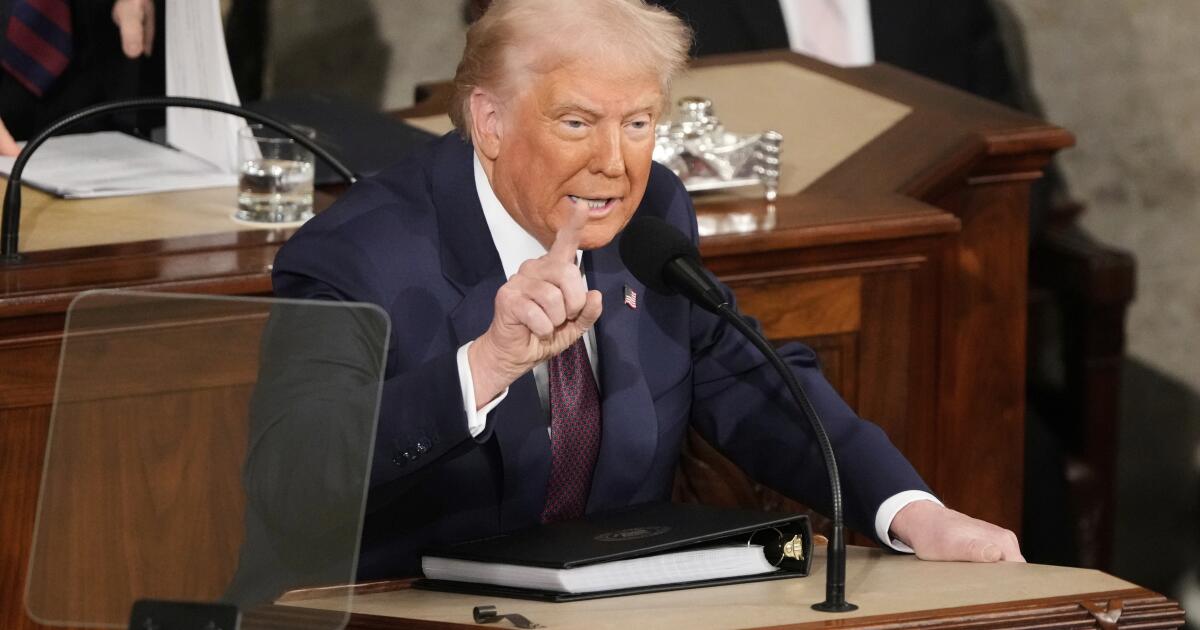
Despite lavish praise from subordinates for his toughness on behalf of America, Trump’s conspicuous silence on the Zelensky incident during a subsequent address to Congress hinted at discomfort. However, he did acknowledge receipt of a peace negotiation letter from Ukraine.
Questioning America’s Role
Trump’s repeated critiques of Western assistance to Ukraine compared to U.S. contributions culminate in misleading public statements. France and the UK, led by Macron and Starmer, respectively, refuted these claims during recent visits.
Aggressive Statements and Reactions
Trump’s bold announcements on geopolitical issues, such as retaking the Panama Canal or acquiring Greenland, were met with laughter from his party. However, they also signify troubling threats to territorial sovereignty.
Additionally, Trump has touted his withdrawal from significant international agreements like the Paris climate accord and the WHO, claiming these moves curb unnecessary financial burdens.
Allied Concerns and New Dynamics
While Trump's rhetoric often lacks regard for traditional diplomatic relationships, it particularly alarmed leaders when Trump demonstrated favoritism toward Putin, causing unease about potentially empowering Russian expansionist ambitions.
European diplomatic efforts are evident as allies gathered urgently to formulate a strategy that tempers Russia’s advantages in peace negotiations contrary to Trump’s inclinations.
Trade and Tensions
Trump’s recent trade policy announcements regarding Canada and Mexico have added strain. Canadian Prime Minister Justin Trudeau shared candid criticism, questioning the consistency of American foreign policy that favors a relationship with Russia juxtaposed with stringent measures against close allies.
In sum, Trump's assertions of respecting global stature remain highly contentious, raising questions about the authenticity and direction of America’s foreign policy under his administration.
Leave a Reply