


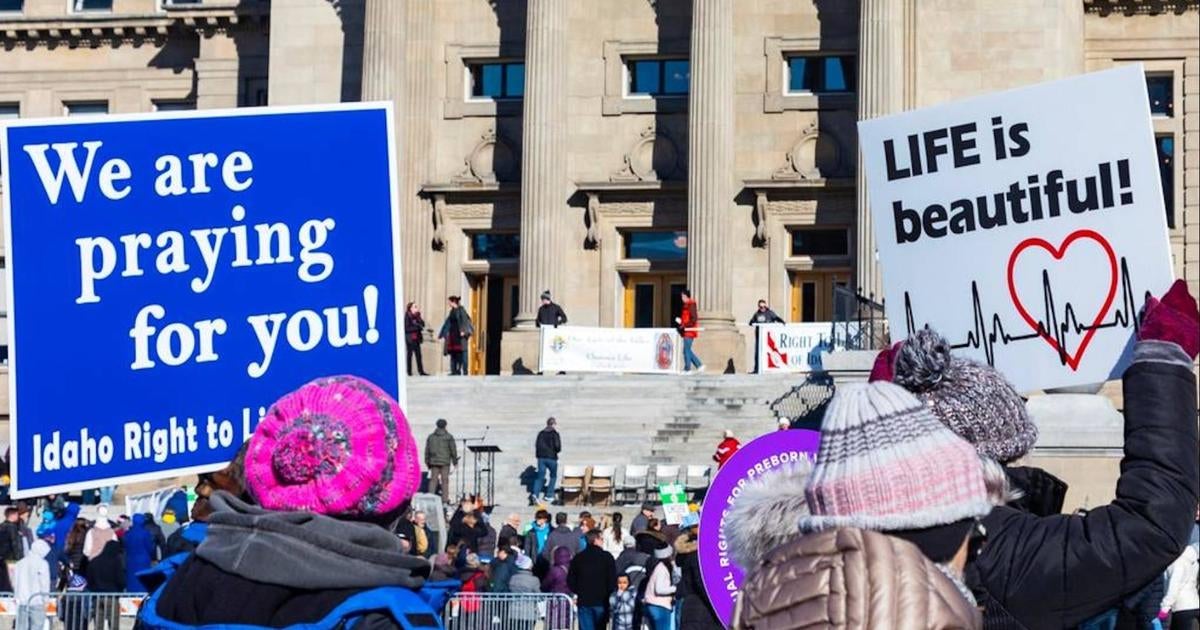
Idaho's Strict Abortion Law: Trump Administration Moves to Enforce
In an unexpected shift from the Biden administration's position, the Trump administration announced it will advance efforts to allow Idaho to apply its stringent abortion restrictions, even in medical emergencies involving pregnant women.
Idaho's principal hospital network expressed concerns that it may have to transport patients to other states if federal legal protections are rolled back. This potential change prompted a judicial decision to temporarily maintain the option for medical professionals to conduct necessary abortion procedures in emergent situations.
Indications from the Department of Justice suggest that the action to withdraw the lawsuit initiated under President Biden could come imminently, as per court submissions by the St. Luke's Health System.
This maneuver represents one of the initial substantial actions by the Trump administration pertaining to abortion. Notably, during his presidency, Trump appointed several justices to the Supreme Court who played pivotal roles in key rulings regarding reproductive rights. Trump has since advocated for abortion regulation to be managed at the state level.
Examining the Legal Dispute over Idaho's Abortion Restrictions
The Biden administration's original legal challenge to Idaho's abortion law argued for the necessity of permitting abortions during medical emergencies when a patient's life or health is in grave danger. This interpretation was contested by Idaho, which claimed its laws already covered life-threatening conditions, suggesting federal attempts were unnecessarily expansive.
In past Supreme Court proceedings, the justices delivered a narrowly scoped decision concerning emergency abortion care, yet crucial legal facets of the debate remained unaddressed.
Brian Church, Deputy Attorney General of Idaho, contended that the hospital's endeavors to secure a restraining order constituted an overreach into matters that should be legislated by the state, cautioning against judicial overstepping.
When Are Emergency Abortions Necessary?
Every year, around 50,000 individuals in the U.S. encounter critical pregnancy complications such as severe bleeding, dangerous infections, or significant reproductive harm. In these instances—and particularly when the fetus is nonviable—abortion might be the safest medical option.
Under Idaho's more lenient application of its abortion ban in emergencies, healthcare providers have faced scenarios where patient care was delayed, sometimes necessitating emergency out-of-state transfers.
A physician highlighted in official documents the persistent fear among staff of being unable to offer stabilizing procedures in dire circumstances, acknowledging the complexity of determining when conditions legally justify life-saving terminations.
In a related legal matter, the Trump administration requested extra time to potentially reevaluate its stance on the abortion medication mifepristone in response to legal challenges from several states.
Following changes in 2022, numerous states governed by Republicans have implemented tighter restrictions or outright bans on abortion procedures. A total of twelve states currently ban abortions at any pregnancy stage, while others have imposed prohibitions from approximately six weeks into gestation, often before many women confirm their pregnancies.
Leave a Reply