


Trump's Address to Congress: Key Themes and Political Shifts
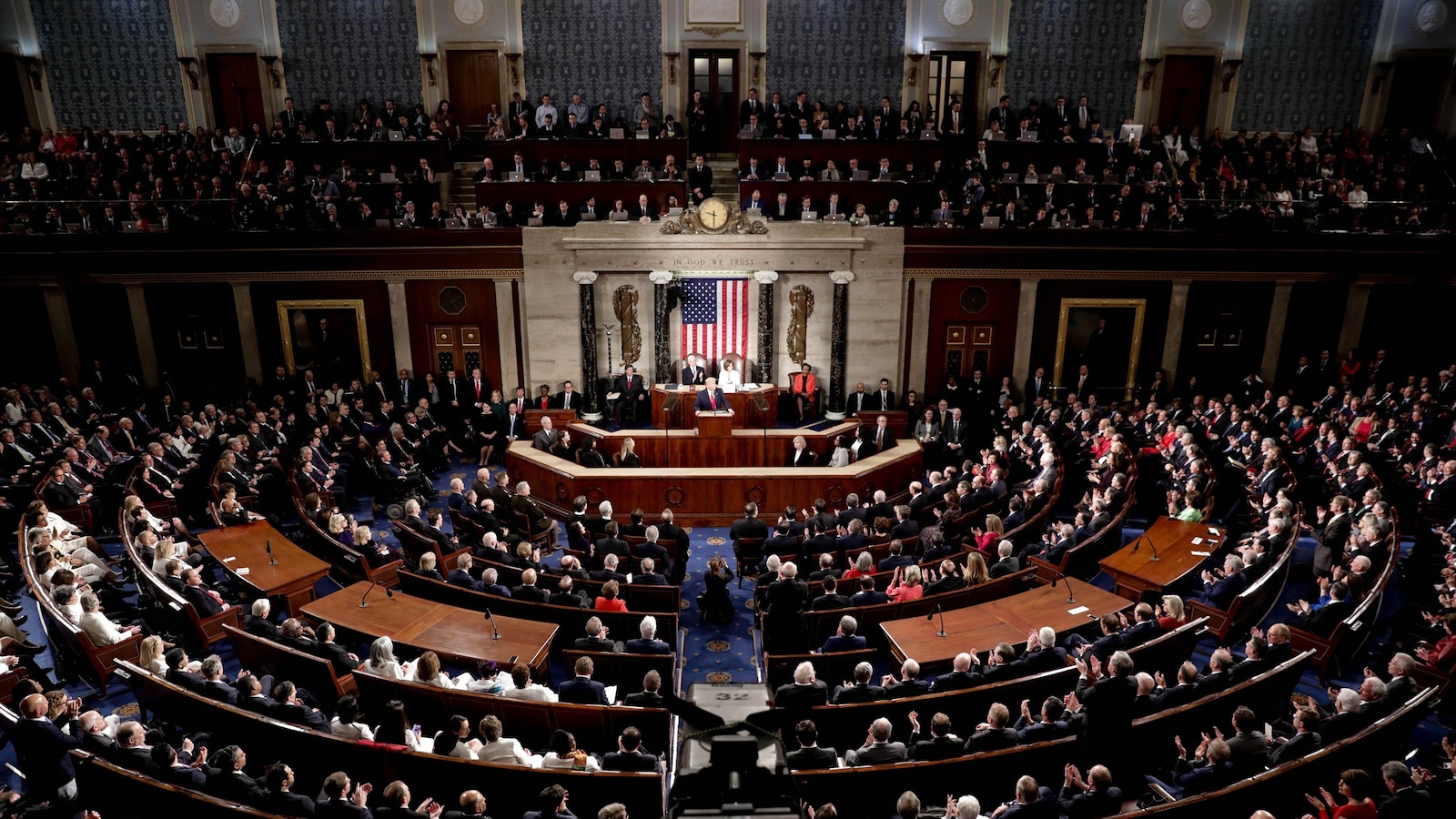
On Tuesday evening, President Donald Trump is set to make a significant address to a joint session of Congress, approximately six weeks into his remarkable return to the White House.
His speech comes amid financial market instability following his decision to impose hefty tariffs on major U.S. trade allies. Concurrently, discussions with Ukraine about a mineral agreement could reach a conclusion today, following intense talks in the Oval Office last week involving Trump, Vice President JD Vance, and Volodymyr Zelenskyy.
Democratic Response
In opposition to Trump's declarations, first-term Senator Elissa Slotkin will deliver a counter-speech. Known during her six-year tenure in the House as a centrist willing to challenge party norms, Slotkin aims to directly address Americans about economic and national security matters.
Slotkin will be joined by Andrew Lennox, a decorated Marine with service in Iraq, Afghanistan, and Syria who recently faced unemployment following his dismissal from the Department of Veterans Affairs in Ann Arbor, Michigan.
Shifts in Republican Dynamics
Trump's upcoming address is underscored by declining public approval, with his performance rating hovering at 45% according to a Washington Post/Ipsos survey, making it one of the lowest for a president at this stage since Harry Truman.
Support for Trump appears stronger within Republican ranks despite these numbers. Out of 293 Republicans in Congress at the start of Trump's first term, only 121 remain. Many who left were either ousted or voluntarily stepped down, discontented with the party's direction under Trump's leadership.
This large-scale departure marks an unusual trend, with more left during Trump's era than any first-term president in six decades. The remaining Republicans have shifted further right, with newer members exhibiting more conservative stances as measured by DW-NOMINATE scores.
As Trump lays out his future plans, expect enthusiastic support from almost all Republican members present.
Audience Engagement Patterns
Traditionally, viewers of a State of the Union or similar joint sessions identify more with the president's party than the opposition, a pattern expected to continue. Observers note that past addresses by Presidents Bush and Obama drew heavily from supporters, though Trump's audience has been more balanced, partly due to public curiosity about his unconventional style.
How Trump's speech is received could reflect broader engagement trends as his second term unfolds.
Leave a Reply