


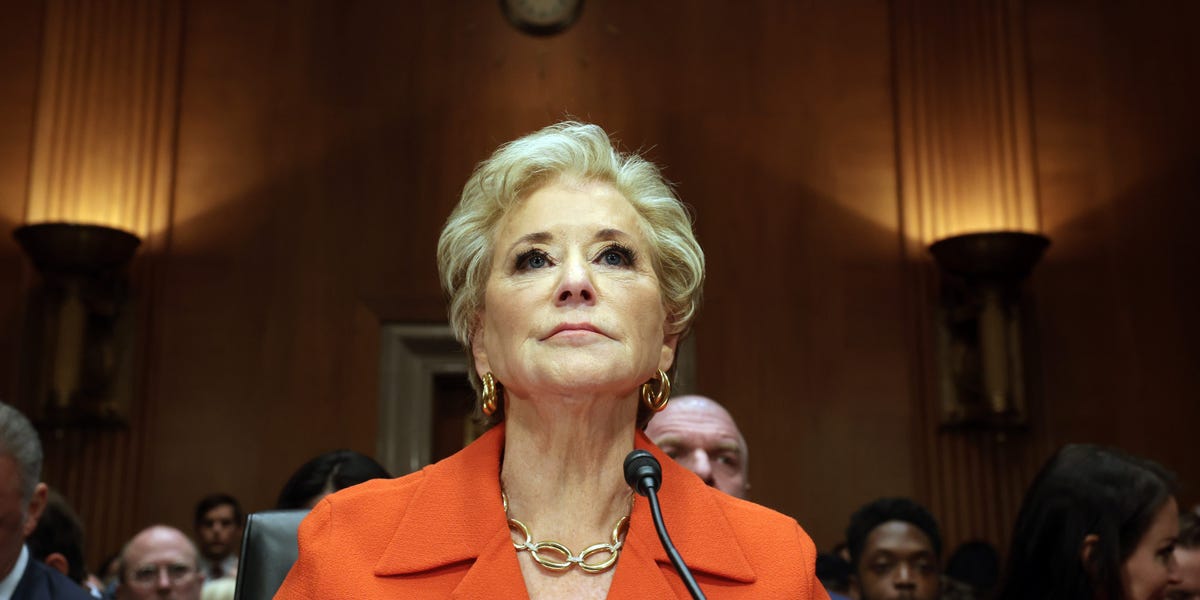
Revamping the American Education System: Goals of Trump's Education Secretary
Donald Trump's newly appointed education secretary, Linda McMahon, is set to implement transformative policies that align with the administration's vision, which controversially includes dismantling the very department she leads.
Following her confirmation on Monday, McMahon promptly issued a document detailing her strategic plans for the Department of Education. She referred to these plans as the department's 'final mission' and forecasted that the upcoming reforms will significantly alter how the agency functions.
By cutting through bureaucratic entanglements, McMahon argues that parents will be better positioned to make educational decisions for their children, while decentralizing control could empower local communities. This shift aims to liberate teachers from excessive oversight, enabling them to concentrate on foundational teaching priorities.
Core Goals for Educational Reform
The restructuring of the Department of Education is anchored on three main objectives: placing parents at the forefront of educational decision-making, streamlining the focus of public education to core subjects such as math, science, reading, and history by excising divisive curricula, and finally, establishing higher education as a conduit to lucrative career opportunities that meet labor market needs.
These objectives align closely with executive directives from Trump earlier this year. A notable directive involves expanding school choice via vouchers, which could see funds earmarked for public education redirected to private schooling. Additionally, efforts to inject 'patriotic education' into the curriculum aim to sideline content that clashes with the administration's views.
The Voucher System Proposal
A central piece of McMahon's agenda is to enhance parental influence in education through government-funded vouchers for private schooling. This initiative is a long-standing aim among Trump and his political allies. Although potentially escalating the plan through reallocating substantial federal resources may require legislative approval, it signals significant policy shifts in education funding.
Focusing Educational Priorities
In line with the administration’s priorities, McMahon's strategy to concentrate on four key subjects by sidestepping contentious themes like gender and equity ideologies is evident. Recent budgetary reductions in the department underscore challenges, as such cuts could impede vital educational research and progress tracking.
Higher Education’s Role in Economic Development
While McMahon's memo left some questions unanswered regarding postsecondary education reforms, she has expressed a commitment to maintaining legally mandated programs, such as the Public Service Loan Forgiveness initiative. Additionally, expanding the Pell Grant's reach to include workforce training programs reflects her approach to broadening educational pathways.
Controversy and Uncertainties
McMahon’s stance is less favorable toward extensive loan forgiveness programs, with Trump and others opposing previous administrative actions for easing repayment terms. The full impact of the current executive orders remains uncertain, with department officials tasked with creating implementation guidelines possibly mitigating the extent of the changes.
Looking Ahead
Amidst this backdrop, educational institutions may premature react to anticipated changes, potentially overestimating their scope. As Trump has reiterated his desire to dissolve the Department of Education entirely, McMahon has indicated her support, acknowledging that such a move would necessitate congressional approval.
For insights or impacts related to the Department of Education or transitions affecting the federal workforce, individuals are encouraged to securely share information with reporters.
Leave a Reply