


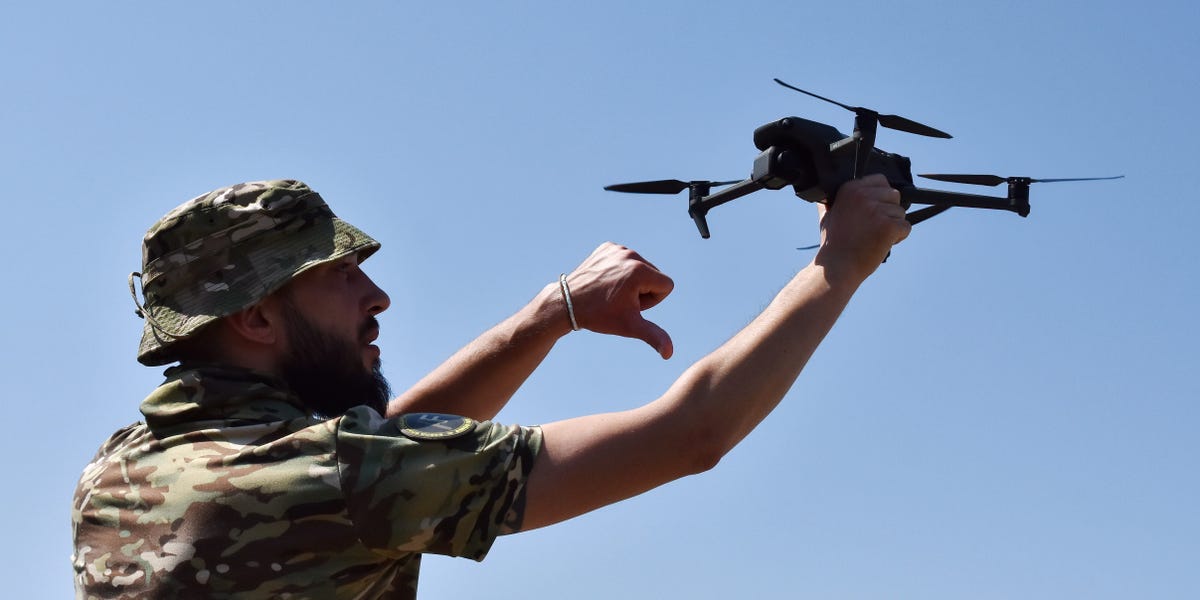
Five Key Technologies Critical for Future US Military Conflicts
According to a leading member of defense legislation, five technological areas are pivotal for the success of future military engagements.
Representative Adam Smith, a senior figure within the US House Armed Services Committee, emphasized at a recent Washington DC gathering that innovation and groundbreaking advancements in missiles, missile defenses, drones, counter-drone technologies, and secure communication systems are essential.
He highlighted the importance of excelling in these technologies to secure victories in potential future conflicts, noting the ongoing conflict in Ukraine as a demonstration of their necessity.
Smith underscored the need for continuous development and adaptation in countermeasures, citing the extensive use of electronic warfare aimed at disrupting drones, and noting how both sides have adapted to mitigate such interference.
Missiles and their defenses have become focal points among military strategists, especially as nations like Russia, China, Iran, and North Korea ramp up investments in missile technology.
Challenges have emerged as US defensive supplies are depleted by attacks from groups such as the Houthis in Yemen. During potential large-scale conflicts, particularly with China in the Pacific, robust air defenses would be critical to protect vital bases and ships.
The American military is advancing certain offensive missile capabilities, such as the new ground-launched option for Tomahawk cruise missiles and hypersonic weaponry systems.
A similar focus is being placed on enhancing secure communications and navigation, as vulnerabilities here could have severe consequences during high-stakes engagements.
Special operations forces within the US military are pioneering innovations through constant experimentation with uncrewed systems, adapting them for varied environments and potential threats.
Being at the cutting edge of technology deployment, these operators cooperate intensively with defense companies to refine new systems quickly.
Discussion at a recent symposium underlined the necessity of inexpensive, disposable weapons such as drones in future battles, aligning with an ongoing shift in strategic priorities within the Department of Defense.
Representative Smith remarked on the vast expenditure on non-essential items within the Department of Defense, despite the pivotal nature of the five identified technologies.
The Pentagon is currently realigning its budget priorities, reallocating approximately $50 billion from older programs to technologies involving missile defenses and drones as key areas of focus.
One of the most significant challenges lies in overcoming the slow and complicated processes related to contracting and acquisition of military capabilities.
Industry experts and military leaders have discussed how the acquisition process, despite its challenges, could become more responsive and efficient by adopting strategies used by special operations forces, particularly for systems like drones.
The conversation at the symposium also touched on the future demands of warfare, which could require rapid decision-making facilitated by artificial intelligence and autonomous systems, questioning the pace at which human operators can make decisions against rapidly evolving technologies.
Leave a Reply