


Chinese Architect Liu Jiakun Honored with the 2025 Pritzker Prize
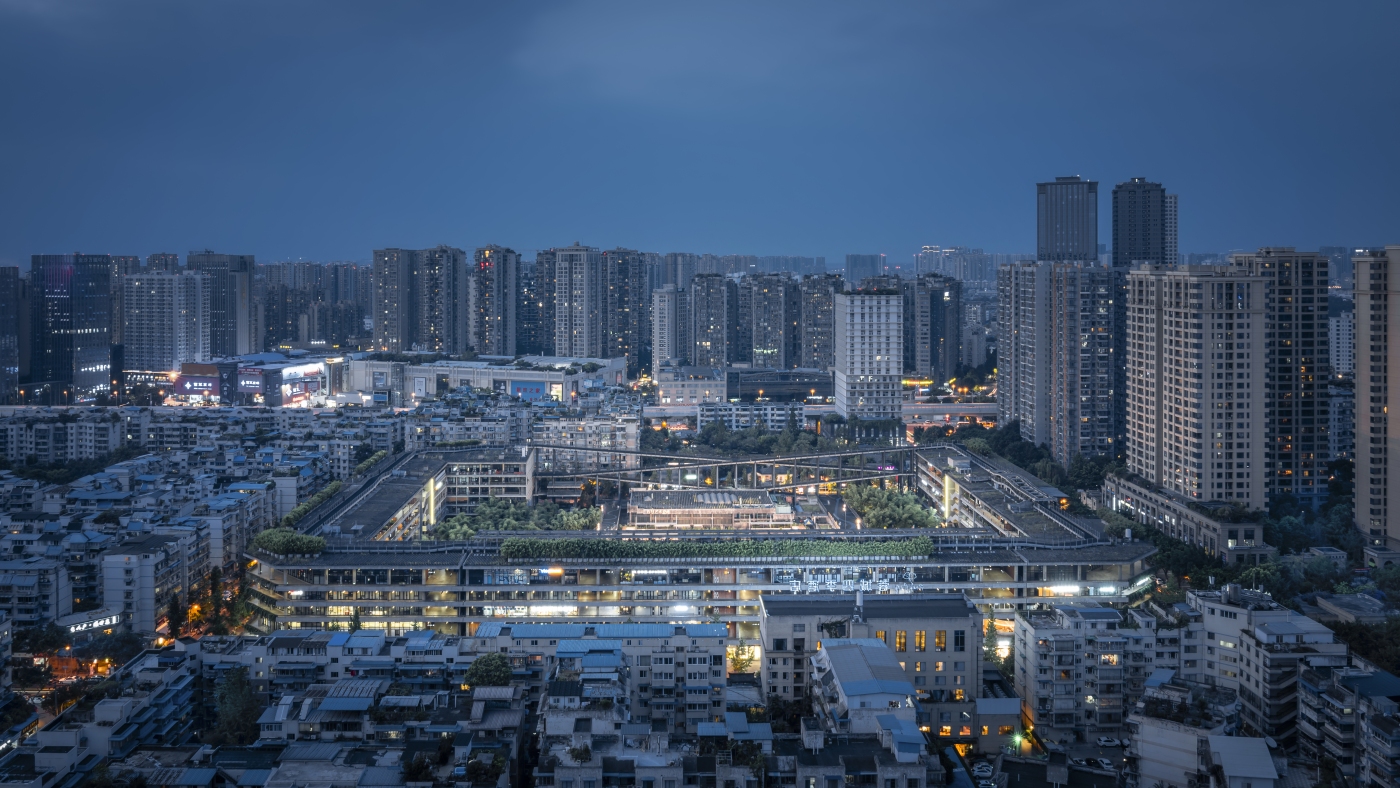
Liu Jiakun has been awarded the prestigious 2025 Pritzker Architecture Prize. Liu's West Village project, completed in 2015 in Chengdu, stands out as a substantial urban ensemble comprising buildings, bike lanes, monuments, and pedestrian pathways.
This year, the esteemed recognition, often likened to the Nobel Prize of architecture, was announced on Tuesday, highlighting Liu's profound influence in the field.
Emerging from the vibrant city of Chengdu in China’s Sichuan province, Liu Jiakun was born in 1956. In his early years, he frequently explored the expansive halls of a brick hospital where his mother was an internist, often climbing to its roof for panoramic views of the cityscape.
Reflecting on his architectural philosophy, Liu stated, "I strive to emulate the qualities of water – to flow seamlessly through environments, adopting no fixed form, and to blend with the surroundings."
Liu’s upbringing allowed him to envision traditional neighborhoods with wooden houses. After graduating in 1982, he initially joined a state architecture firm in Tibet but harbored aspirations to pursue writing.
Describing his dual roles, Liu mentioned, "I balanced working at an architectural firm with my passion for writing."
During a conversation with NPR, Liu, joined by his son Martin who acted as his translator, discussed his transition from writing to architecture. Both were dressed in matching black-framed glasses and turtlenecks, sharing moments of subtle humor.
Liu expressed how writing provides diverse perspectives and parallels architectural design through its narrative structure, embodying beginnings, climaxes, and conclusions.
Liu's methodology can be seen in lively urban spaces, such as the West Village in Chengdu. This particular project is an exemplary illustration of channeling traditional Chinese cultural principles into modern architectural expressions.
Aside from museums and academic buildings, Liu's portfolio includes a panda maternity center, drawing numbers of tourists annually to its innovative design.
The Pritzker jury commended Liu for his deep appreciation of culture, history, and nature, enabling users to connect with the past through modern architectural interpretations. His work on the Novartis building in Shanghai is a testament to this, with its striking tiered balconies drawing inspiration from classical Chinese design.
In his vision statement, Liu wrote about his desire to embody water, seamlessly integrating into and transforming environments over time, absorbing the essence of what is stationary yet evoking a profound spiritual creation.
Possibly reflective of his ethos, Liu's initiative post-2008 earthquake in Chengdu involved the crafting of 'rebirth bricks' using detritus and straw, symbolizing resilience and continuity.
Leave a Reply