


China's Retaliation to Trump's Tariffs: A Deliberate Stand
Reacting promptly on Tuesday, China sent a clear signal that it isn't hurrying to settle the ongoing trade confrontation with the United States.
Just an hour post the US's tariff hike on Chinese goods, rising from 10% to 20% starting early Tuesday morning, Beijing introduced its countermeasures. These encompassed increased tariffs of 10% to 15% on some American imports, set to commence on March 10.
The newly imposed duties cover crucial US agricultural products such as soybeans, pork, and beef at 10%, while chicken and cotton face a 15% surcharge, as detailed by the Chinese Commerce Ministry.
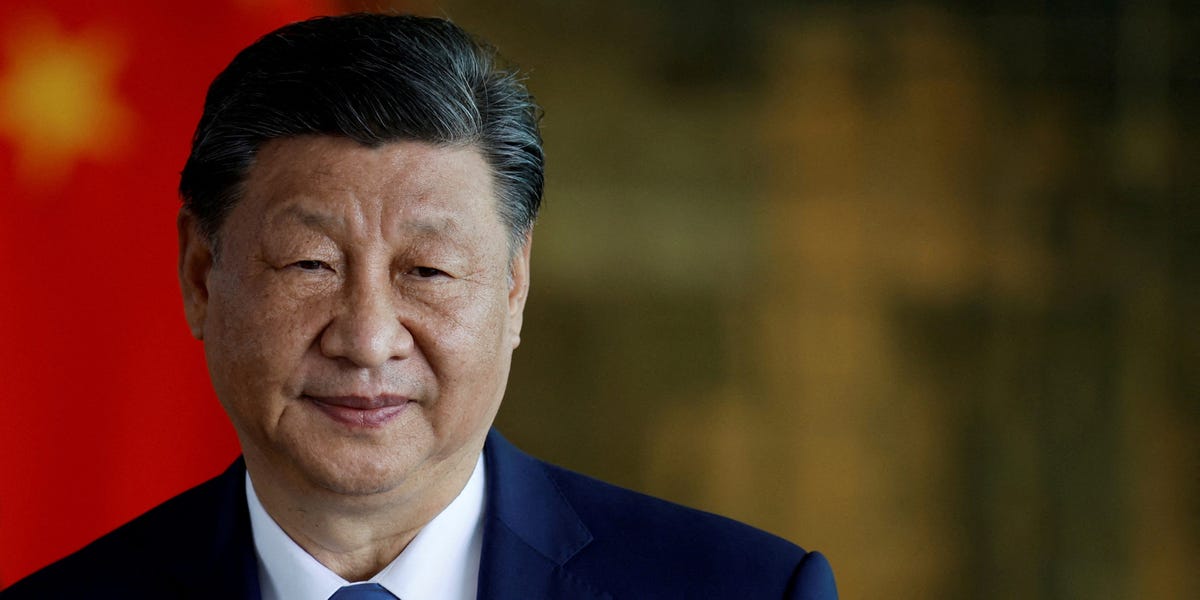
The swift reaction from Beijing resembles its earlier move against the first wave of US tariffs, reflecting a well-prepared stance by President Xi Jinping's government.
Asian markets took a hit amid anxiety over the trade war's repercussions. However, the impact was not severe as investors anticipated such moves, according to analysts.
Japan's Nikkei experienced a reduction of 1.2%, having previously fallen 2.7%. Meanwhile, a minimal decline was observed in Hong Kong's Hang Seng Index, which dipped by 0.3%, leaving China's CSI 300 largely unaffected.
The containment of these measures was noted by Gary Ng, an economist at Natixis, who indicated that China adhered to a predictable pattern of counteraction akin to its previous response in early February, including additional tariffs and restricted trade access for certain US enterprises.
While the targeted approach focusing on agriculture seems more of a strategic message than an attempt to disrupt the broader economy, noted market analyst Jun Rong Yeap, the depth of the retaliatory actions highlights a posture of restraint from China.
Zhiwei Zhang, chief economist at Pinpoint Asset Management, reminded that China’s measures only touched a fraction of US exports to China, unlike the extensive US tariffs on all Chinese exports.
Zhang expressed concern that the global markets might be underestimating the broader economic implications of ongoing trade hostilities.
In an additional move, Beijing announced a ban on purchases from Illumina, a biotech company from California, citing national security and sovereignty concerns. Furthermore, it targeted several US firms with export prohibitions on strategic items.
Tech Sector Resilience Amid Trade Tensions
China’s rising confidence is partly fueled by a surge in interest towards its technology stocks, spearheaded by the dramatic ascent of DeepSeek.
Economic Prospects Under Watch
Scott Kennedy, a China affairs expert at the Center for Strategic and International Studies, noted that significant technological progress places China in a stronger stance compared to Trump’s initial tenure, diminishing the urgency to finalize a trade agreement.
Kennedy mentioned China’s intent to negotiate on terms that yield mutual benefits rather than unilateral concessions to the US.
The tariff escalation comes at a pivotal time when Beijing is hosting its significant political conventions — the National People's Congress and the Chinese People's Political Consultative Conference, known collectively as the 'Two Sessions.'
Amid the heightened trade discord, investors are keenly observing for any signs of economic stimulus from China, particularly given the domestic economic challenges and low consumer spending.
Chinese Premier Li Qiang is poised to unveil the government's strategic plan and economic growth targets for 2025 in his upcoming report.
Leave a Reply