


Understanding a Crypto Strategic Reserve and Its Importance
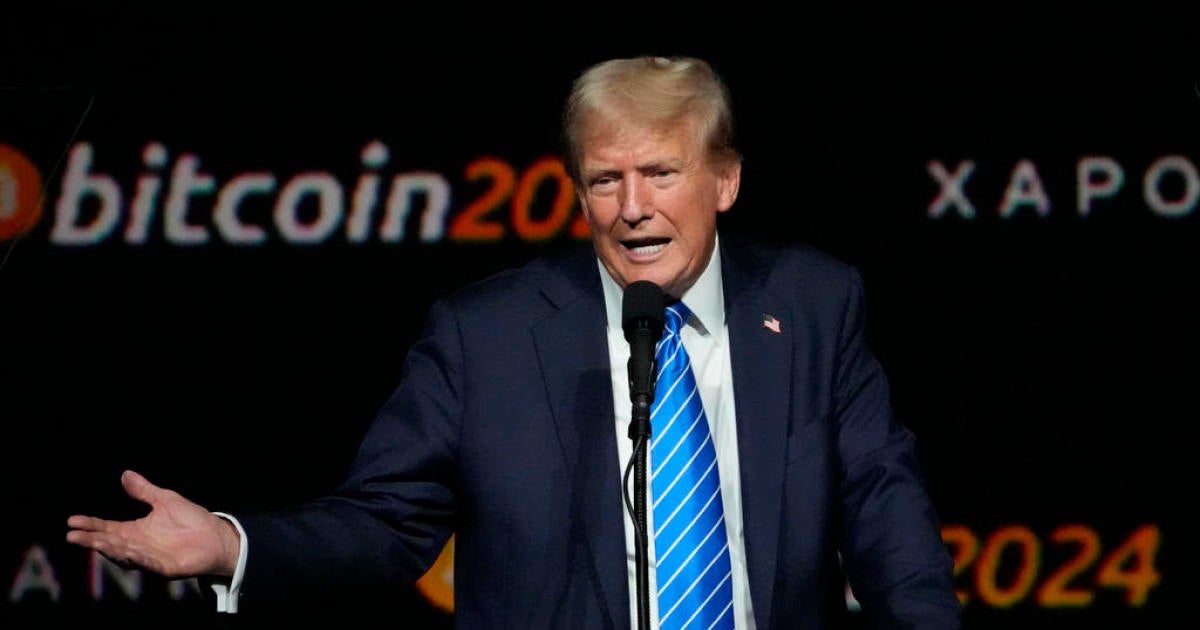
In an unexpected statement on Sunday, President Trump disclosed plans to develop a 'crypto strategic reserve,' which will comprise not only popular cryptocurrencies like bitcoin and ethereum but also some lesser-known digital currencies such as XRP, solana, and cardano. Following this, he reiterated the inclusion of bitcoin and ether, which are currently the most prominent in the crypto world.
This announcement initially revived cryptocurrency prices, reversing recent declines, though the impact was short-lived. For instance, bitcoin surged to $90,000 on Monday morning but dwindled to $87,000 by the afternoon. Ethereum decreased by 14.6%, reaching $2,153, while XRP, solana, and cardano faced double-digit percentage drops as well.
According to Nic Puckrin, an expert financial analyst and co-founder of The Coin Bureau, the temporary surge in crypto value was likely due to a mix of optimistic speculation and typical short squeezing. He stressed the necessity of more precise information on the crypto reserve strategy to instill confidence among investors about its potential benefits.
What Constitutes a Crypto Strategic Reserve?
As outlined in a presidential directive from January 23, a crypto strategic reserve is envisioned as a federally regulated collection of digital assets governed by a new Presidential Working Group on Digital Asset Markets. This group is led by high-level government officials, including the Secretary of the Treasury and the Chairperson of the SEC.
Previously, during campaign speeches, Trump proposed creating a national bitcoin reserve from cryptocurrency seized in law enforcement operations. However, the recent public address is the first instance of him backing a variety of cryptocurrencies for inclusion in the governmental reserve.
Details about how the strategic reserve would operate and be sustained remain unclear. The administration has not yet disclosed specifics such as the volume of each cryptocurrency to be included or the methods for acquiring them. More clarity might emerge from an upcoming event at the White House called the 'Crypto Summit,' at which Trump will converse with industry leaders.
Rationalizing a Strategic Crypto Reserve
A national crypto reserve could work similarly to the Strategic Petroleum Reserve by providing financial diversification for the government and shielding against economic uncertainties, as suggested by supporters of the initiative.
Detractors, however, argue that due to the volatile nature of cryptocurrencies, they may not serve well as reserve assets.
Challenges Ahead
Realizing a crypto strategic reserve will likely necessitate Congressional action, akin to the establishment of the Strategic Petroleum Reserve through legislation by then-President Gerald Ford.
Moreover, the decision to include cryptocurrencies apart from bitcoin may face opposition within the deeply divided cryptocurrency sector. Notably, bitcoin remains the most widespread and valued cryptocurrency globally.
President Trump has positioned himself as an advocate for the cryptocurrency industry, attributing alleged unjust scrutiny by the Biden administration to their challenges. His administration has taken measures supporting the crypto field, including halting major regulatory actions by the SEC.
After Trump's election victory last year, crypto prices saw a significant uptick, notably when bitcoin reached $100,000 in early December, an achievement Trump claimed via social media.
Since taking office, however, the crypto market has faced downturns, and Trump has faced criticism, even from allies, for a failed coin launch resulting in a sharp loss in value. These events, combined with security breaches and controversies, have contributed to skepticism about the current state of cryptocurrencies.
Leave a Reply