


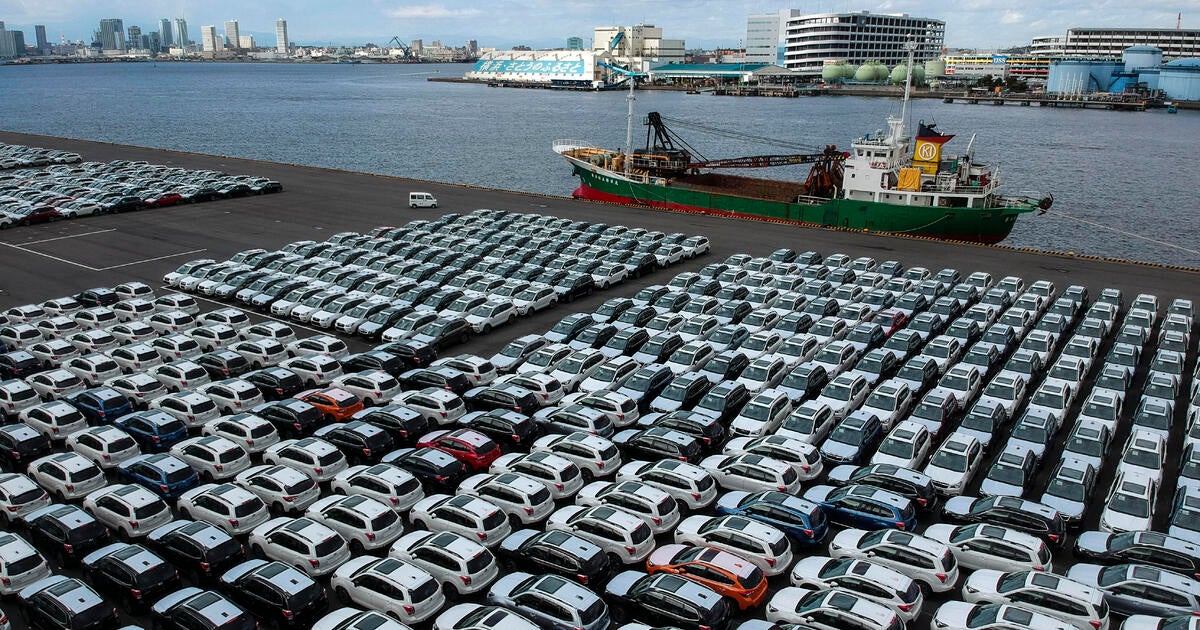
Impact of Trump's Tariffs: Car Prices Might Spike by Up to $12,200
Analysis by industry experts suggests that President Trump’s new tariffs on the United States’ major trading partners—Canada, Mexico, and China—could result in substantial price hikes for American car buyers.
According to Anderson Economic Group, based in Michigan, a 25% levy on imports from Canada and Mexico and a 10% duty from China may lead to increased vehicle prices, with some models potentially costing consumers as much as $12,200 more.
These tariffs are likely to affect a wide array of vehicles including SUVs, small cars, and electric vehicles, potentially deterring buyers in an already price-sensitive market.
Patrick Anderson, CEO of AEG, highlighted that the ramifications on North American vehicle assembly would be significant. "It’s nearly impossible to shield these costs from the customers; most of these expenses will be transferred directly to them," he explained.
Potential Price Surges for Specific Vehicle Models
The report indicates that the cost increases might range from $4,000 to $10,000, with electric vehicles that heavily rely on Chinese components facing the steepest hikes.
Such price escalations could drive consumers to opt for second-hand vehicles or explore autos manufactured in countries like Japan, bypassing tariffs.
Automobile manufacturing involves complex supply chains, with parts often crossing national borders multiple times. Additional tariffs would likely inflate costs further, complicating production and affecting demand, suggested Gustavo Flores-Macias from Cornell University.
Views from the Industry: Insights from Ford's CEO
In a recent discussion, Ford's CEO Jim Farley commented on the devastating potential of enduring high tariffs, which he believes could elevate car prices and impede economic progress, largely affecting the industry's bottom line and domestic employment.
Contrary to this viewpoint, Mr. Trump argued on social media that the tariffs would benefit the U.S. by boosting auto production within states like Michigan.
Leave a Reply