


Europe Seeks Role in Ukraine Peace Efforts and Mending Ties with the U.S.
In the wake of a diplomatic hiccup at the White House, European leaders are attempting to leverage their influence to mediate peace in Ukraine and repair relations between Kyiv and Washington. This follows a recent intense exchange directed at Ukrainian President Volodymyr Zelenskyy.
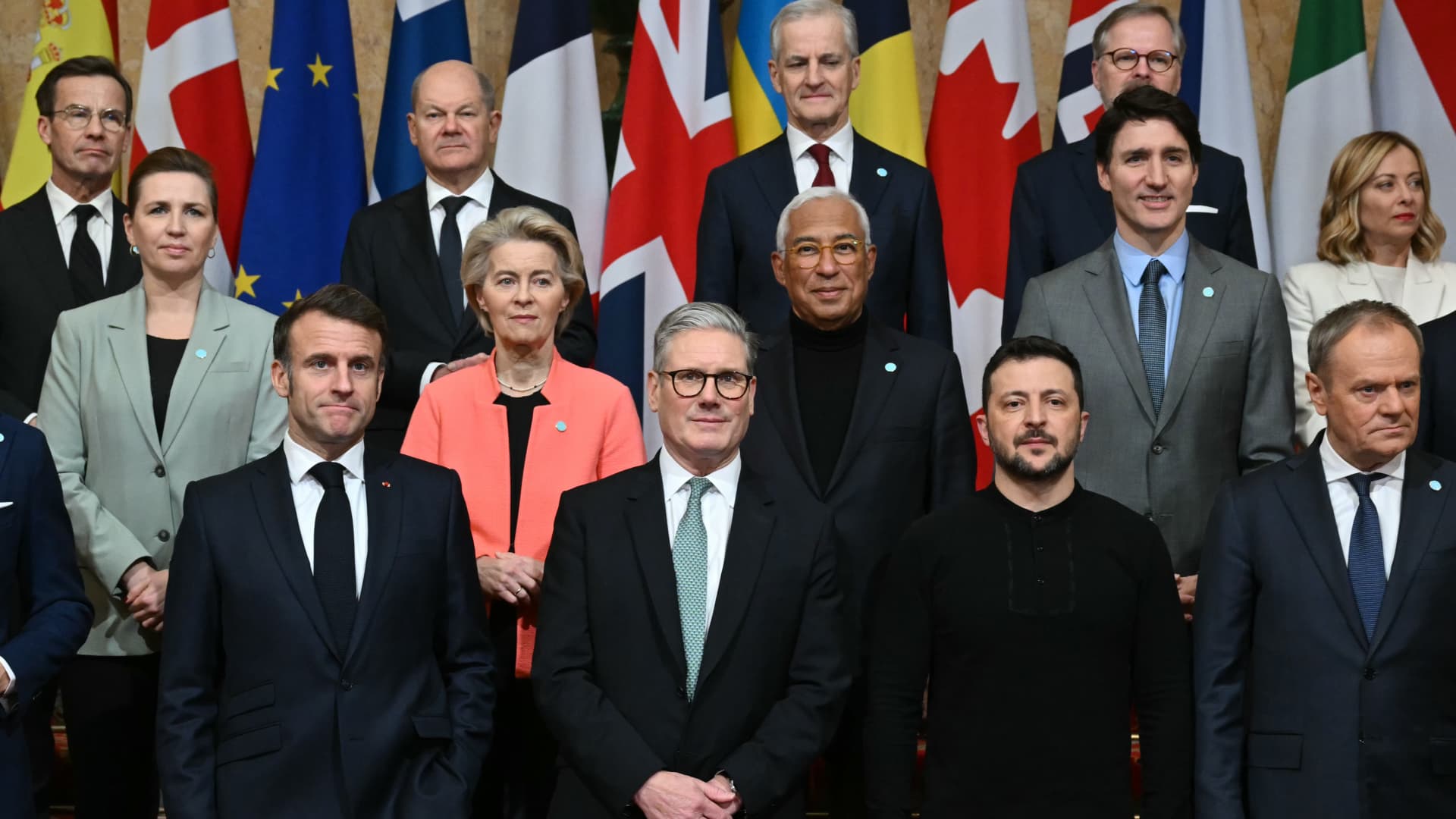
United Front at London Summit
In an effort to underscore their relevance in potential peace talks, European leaders hurriedly assembled in London. Their aim was to present themselves as central figures in future negotiations, vying to maintain their presence amid improving dialogues between the U.S. and Russia.
Prime Minister Keir Starmer noted that several European nations had pledged readiness to deploy peacekeeping forces in Ukraine, contingent on a peace agreement. The United Kingdom emphasized presenting this blueprint to the U.S., aiming to secure American endorsement, which would offer Ukraine desired security assurances.
"We've forged an understanding with countries like France to collaborate on a cessation plan, which will then be broached with the U.S. for collective advancement," Starmer stated.
Testing Waters and Strategic Plays
Reports hint at Starmer and President Macron exploring Russia's sincerity towards a future peace arrangement. Contact has been attempted with both Downing Street and the Elysee Palace for comments.
With American-Russian talks having commenced to lay down a foundation for peace dialogues, Europe finds itself in a reactive position, striving to affirm its diplomatic significance.
Rising Tensions and Challenges
Despite the high-stakes scenario, tensions have escalated between the U.S. and Ukraine. A pronounced public denunciation saw U.S. leaders, including President Trump, accusing Kyiv of being unappreciative of U.S. support, with warnings of aggravating global conflict.
Europe faces challenges due to Russia's resistance to European military involvement in Ukraine and the U.S.'s reluctance to deploy their forces as mediators.
Strategic Uncertainties and European Ambitions
Within this context, Europe's precise strategies for fostering a durable peace remain under a cloud of ambiguity. The notion of European troops in Ukraine is controversial, with the U.S. toggling its strategic posture accordingly.
Analyst Gesine Weber pointed out that the summit underscored European aspirations to spearhead support for Ukraine amidst fractious U.S.-Ukraine ties, marking a pivotal juncture in regional leadership.
"We're effectively in a holding pattern to assess Washington's openness to the comprehensive proposals laid before them," Weber analyzed.
The Path Ahead: Consensus and Constraints
European nations continue to deliberate on bolstering defense budgets, a signal to Washington that they are committed allies, amid U.S. perceptions of disproportionate dependencies.
Reactions from American and Russian quarters remain scant post-summit, although President Trump emphasized focus on domestic issues, casually downplaying Putin-related concerns in contrast to European anxieties.
The sustainability of Europe's peacekeeping ambitions largely hinges on U.S. and Russian cooperation. Analyst Carsten Nickel observed limited tangible outcomes post-summit, specifying that only air defense enhancements and financial pledges were certain.
The implication of European troops engaging in Ukraine, potentially spurring Russian opposition to dialogue, ties back into complex U.S.-Russia relations and Trump's preference for a streamlined ceasefire approach.
Leave a Reply