


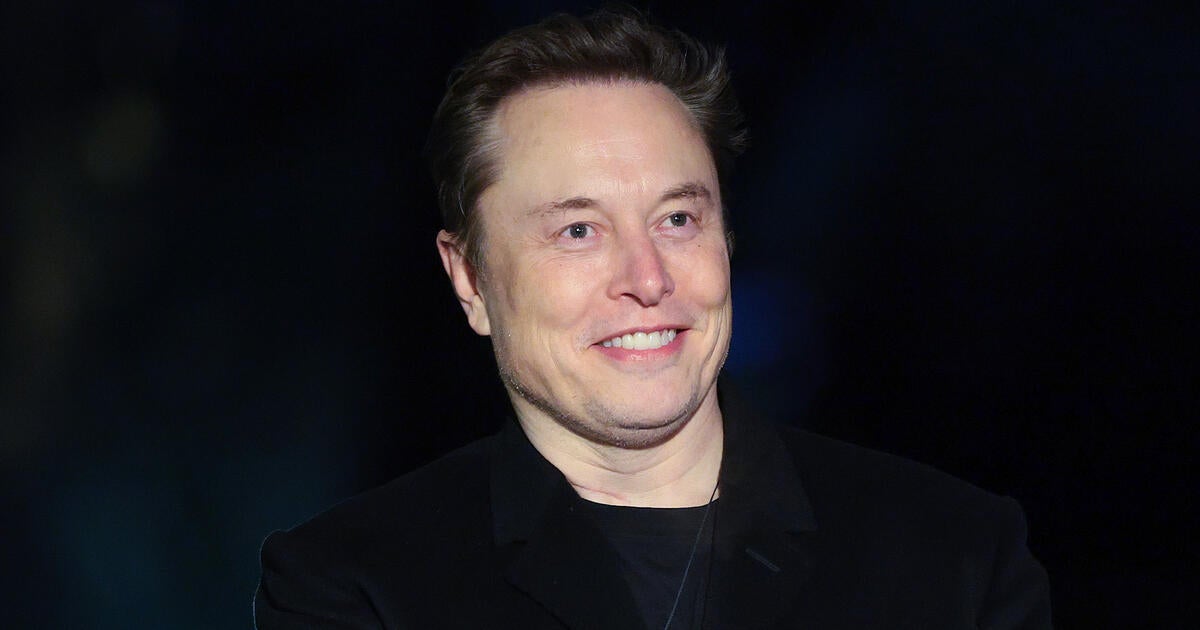
Ethical Questions Surrounding the Starlink and FAA Agreement
Former President Trump assured that Elon Musk's business pursuits would avoid any conflicts of interest. Yet, there is growing apprehension from Democratic politicians about the involvement of Musk's Starlink in efforts purported to influence a significant $2.4 billion agreement initially positioned with Verizon and the Federal Aviation Administration (FAA).
Political figures have questioned the motivations and implications of potentially shifting this major contract to Musk's satellite internet endeavor. The concern lies in whether such a collaboration might breach ethical standards and what precedent it could set for government's future dealings with private enterprises.
Diverse Reactions from Lawmakers
Lawmakers on Capitol Hill, particularly from the Democratic Party, are pressuring for more transparency regarding the nature of these negotiations. There is a push for reassurances that regulatory standards will not be compromised in the process of switching service providers from Verizon to Starlink.
The debate has invigorated discussions about how emerging technologies are altering government procurement processes and the regulatory frameworks that govern them. Critics argue for a thorough examination of how such contracts are awarded to ensure fair competition and adherence to ethical guidelines.
Insight from Aviation Analysts
In recent interviews, experts from the aviation sector, including journalist Oriana Pawlyk, have been dissecting the implications of this potential deal. The focus has been on the partnership's broader impact on the aviation industry's service quality and technological advancement.
A central point of discussion is the necessity of safeguarding public interest while accommodating new technologies that promise enhanced connectivity and efficiency in air traffic management.
Leave a Reply