


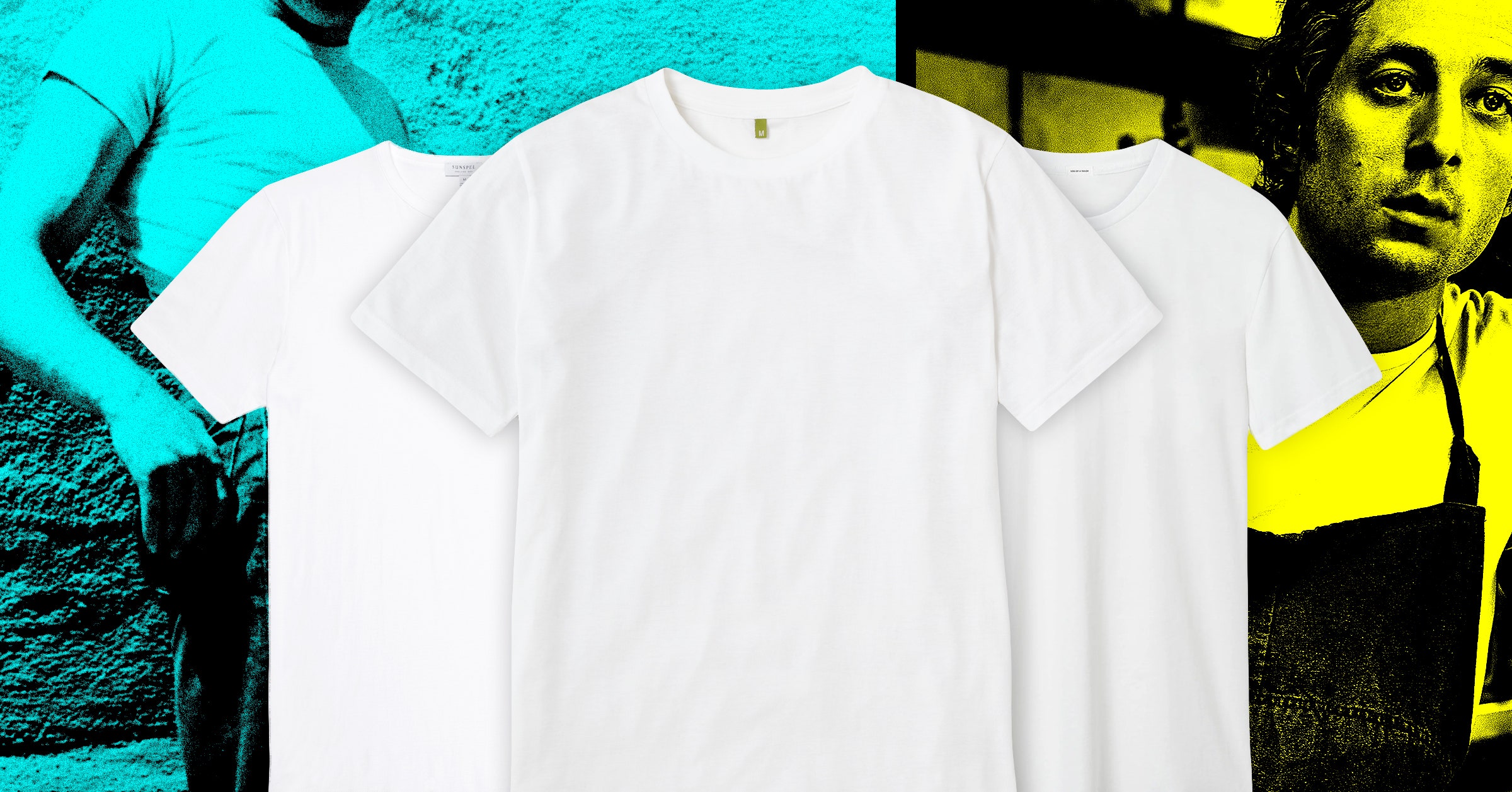
Exploring the Truth Behind Social Media's 'Perfect' T-Shirts with a Savile Row Expert
Our digital feeds are filled with advertisements professing to have unlocked the magic of the 'ideal' T-shirt. WIRED ventured to test these assertions, bringing in the expertise of the renowned Savile Row tailors, Gieves & Hawkes.
Every year, numerous brands make loud claims about their T-shirts being unbeatable in fit and comfort, tailoring their products to different body shapes through various high-tech methods. This digital era has even seen the rise of custom T-shirts crafted using innovative technology and data analysis. But which really stands out?
To explore this, 13 T-shirt brands with ambitious social media promises were scrutinized, many offering custom products built from questionnaires, like Spoke and Son of a Tailor, or using cutting-edge AI, such as Sanvt, which asks for a brief video for accurate sizing.
The personal nature of style and fit necessitated a diverse panel for assessment. Jeremy was joined by managing editor Mike Dent and editor Chris Haslam, bringing a range of body types and preferences to the table.
Savile Row tailor Gieves & Hawkes' head cutter, Davide Taub, played a critical role, by evaluating not just fit but also fabric quality and stitching.
Testing occurred at the iconic headquarters of Gieves & Hawkes on London's Savile Row. Recognized for its custom tailoring services since 1789, it provided a premier setting for testing the fabric and designs.
Does Modern Technology Eliminate the Need for Traditional Tailoring?
Can T-shirts designed with futuristic algorithms truly replace the skill of seasoned tailors? Can they offer the same comfort and appearance, or adequately address the fit challenges of varied body types?
True Classic, a brand heavily advertised online, claims your current ill-fitting T-shirts are at fault for poor looks, not your physique. They provide designs much like gym wear, slim yet adaptable to hide imperfections.
One participant confessed the fit was surprisingly flattering, fitting comfortably at the neck.
While the material raised environmental concerns with its polyester blend making it less eco-friendly, the comfort was acknowledged.
Assessing Quality and Comfort
Legendary tailor Taub found a delicate balance between the shirt’s tactile satisfaction and its standard construction. Meanwhile, Mike found the length excessive, while Chris felt self-conscious about the snug fit.
In contrast, the Steel City brand's T-shirt, with its heavy cotton feel and casual aura, left testers displeased with its basic construction but satisfied with the soft fabric, though sizing was problematic.
The blend of comfort versus aesthetics continued with other brands, such as a simple British manufacturer focused on classical tailoring. Sunspel presented luxurious, soft-feeling garments yet their thin material dampened enthusiasm.
Challenges of Finding the Perfect Fit
The process emphasized that a universal 'perfect' T-shirt remains elusive, as personal preference varies greatly based on individual build and taste.
Sunspel's flattering design impressed, but left testers wanting more fabric heft for certain uses.
Though new technologies attempt precision, discrepancies remain, as shown by personalized sequencing from companies like SANVT and size prediction platforms struggling to fit each unique shape.
Explore options like ASKET and Mott & Bow, proven for quality and versatile sizing for a range of needs.
Conclusion: Tailoring vs. Technology
In the realm of clothing, particularly T-shirts, the jury is still out on whether tech can replicate the eye and skill of an experienced tailor. For now, a combination of trying different brands in stores and engaging with those daring to use innovative methods seems judicious.
Leave a Reply