


Discovering Global Narratives Through Minimalist Video
A creative collective based in Mumbai is redefining the use of surveillance and television networks with their experimental videos aimed at fostering community engagement.
Since their inception in 2007, the collaborative studio known as CAMP, based in Mumbai, has been utilizing surveillance, broadcast channels, and digital collections to explore our interactions and documentation of the world. Alongside their prolific video and film initiatives, they operate a rooftop cinema in Mumbai and sustain various online video collections, including the most extensive digital archive of Indian cinema.
CAMP's Major US Debut
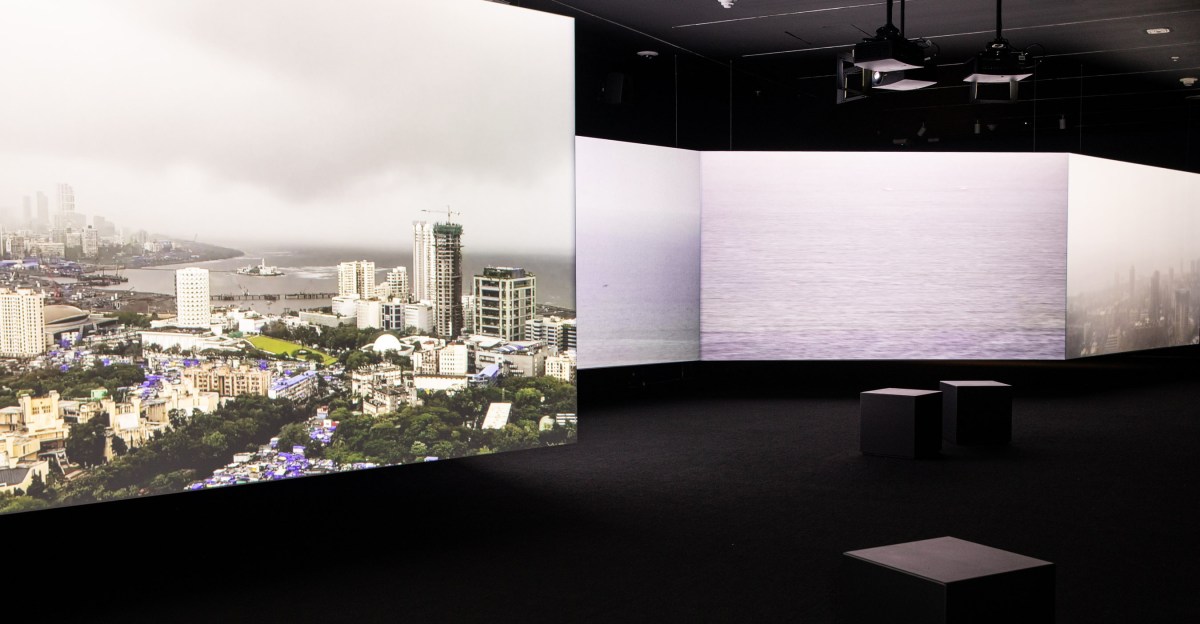
CAMP's inaugural comprehensive exhibition in a US museum is currently featured at MoMA, New York, through July 20th. This exhibition includes three pioneering video projects from the past two decades. These films ingeniously transformed private television equipment into platforms for neighborhood storytelling, gathered cellphone recordings from sailors traversing the Indian Ocean, and reconceived the potential uses of CCTV technology beyond mere surveillance. One film showcases cellphone clips exchanged via Bluetooth by sailors at ports, while another enables street-level passersby to control a surveillance camera 35 stories high.
Interview with CAMP Founders
In a discussion with CAMP's creators Shaina Anand and Ashok Sukumaran, they emphasized the value of keeping a digital archive accessible to all, the ambiguous nature of piracy, and how some of the most enlightening footage never makes it into final films.
Reflecting on a time during the 2009 financial downturn, they walked through Sharjah in the UAE. Sharjah, similar to Dubai, centers around a creek and was historically a hub before oil was discovered. The region’s large, antiquated wooden ships, many bound for Somalia, prompted questions about piracy risks. However, sailors clarified that transporting essential supplies differed significantly from oil shipping, which often faces pirate threats.
Behind the Scenes at Ports and at Sea
With a unique port vernacular that combines Hindustani, Farsi, and Urdu, locals like Iranians, Emiratis, Somalis, Indians, and Pakistanis communicate across cultural lines. Anand and Sukumaran found the sailors' homemade music videos, recorded on early Nokia phones with rudimentary 100×200 pixel quality, captivating. As memory cards filled, videos were frequently erased and passed between comrades using Bluetooth connections.
They highlighted the remarkable transformation of cellphone video technology, from 10-13 frames per second in peculiar formats to more advanced iterations. Viewing these videos, even on high-end screens at London's National Theatre, affirmed a sense of equality between different forms of media.
An image captured in the vastness of the ocean by a fellow sailor’s phone reflects a simplistic yet powerful portrayal, resonating deeply with audiences both on and off-screen. Misconceptions of these low-resolution images as inferior are swiftly dispelled by acknowledging their robust narrative potential.
The Intricacies of Communication and Memory
Obtaining these videos was a tactile, personal endeavor, so much so that files weren’t shared through platforms like YouTube but exchanged directly via device-to-device connections.
During maritime downtime, especially when boats temporarily dock at smaller islands for safety in numbers, sailors find time for leisure, often translating their experiences into song-infused visuals.
Crafting Stories Beyond the Visible
Often, the most compelling narratives stem from the person behind the camera. Free from narratives imposed by outsiders, indigenous filmmakers use periods away from port to capture the mundane and extraordinary happenings at sea, with paired music adding emotional depth. Video clips, passing from device to device, help preserve a sense of community identity despite being ephemeral.
Redefining Piracy and Archival Work
CAMP emerged in 2007 alongside legal experts, programmers, and cinephiles, who tackled copyright issues and reshaped notions of ‘piracy’ to highlight its necessity in Asian contexts. Through Pad.ma, an innovative footage archive, they curated unfinished film project content, valuing the vast amount left on the cutting room floor over the final highlights.
Interactions and Surveillance from New Perspectives
CCTV usage expanded rapidly in the mid-2000s, and CAMP explored its potential beyond normative boundaries of security, connecting it instead with local TV networks for community-involved broadcasts.
Transforming a TV into a portal, they bridged broadcast and surveillance systems, merging closed circuit footage with open narrative networks. These experiments allowed local residents to engage directly, shifting typical media consumption into participatory storytelling.
By setting up interactive projects, wherein residents captivate themselves through viewing and filming combined, CAMP highlighted a transformational relationship between the audience, subject, and media.
Conclusion
Ultimately, CAMP’s explorations reveal how minimalistic, often overlooked media, such as low-resolution cellphone videos, offer powerful storytelling opportunities. Their persistent quest into these formats showcases the cultural and communal connections media can foster when approached with creativity and inclusivity.
Leave a Reply