


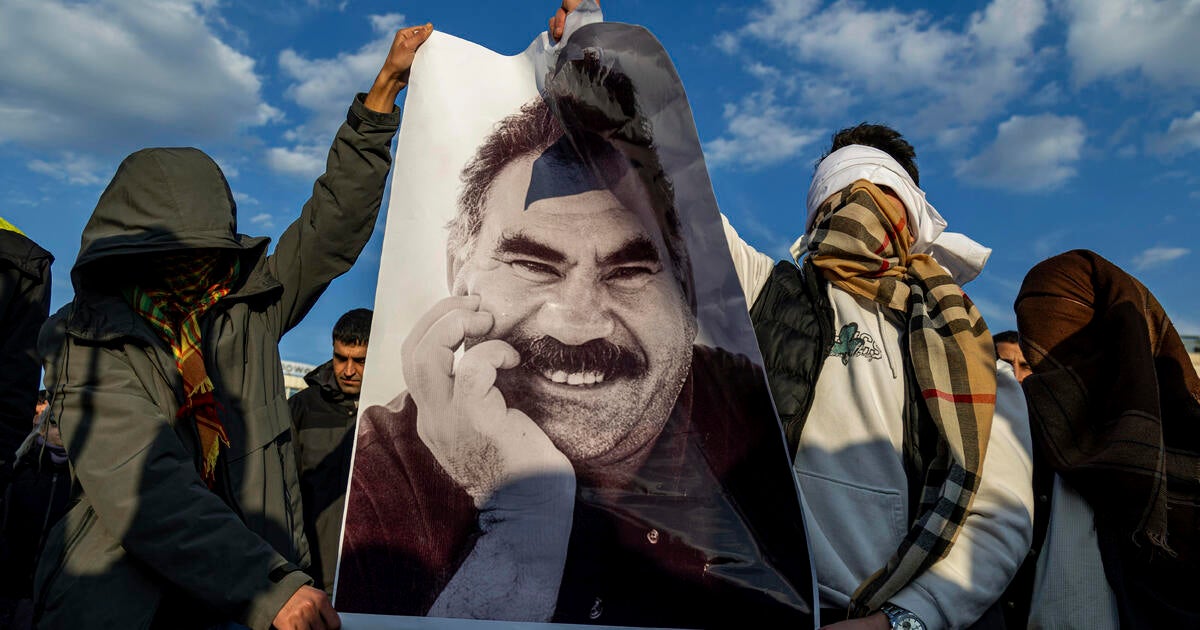
Ceasefire Declared by Kurdish Rebels in Turkey's Decades-Long Conflict
A ceasefire has been declared by Kurdish forces waging a four-decade conflict in Turkey, potentially signaling a notable diplomatic advancement.
This pivotal decision arrives amid shifting dynamics, particularly with the recent alterations in geopolitical power within Syria and other changes in the regional landscape.
The struggle, which began in 1984, has resulted in thousands of casualties. This truce is the first movement towards reconciliation observed since peace talks fell apart in mid-2015.
The Kurdish Workers Party (PKK), announced the ceasefire through their aligned outlet, Firat News Agency, citing their leader Abdullah Ocalan who remains imprisoned since 1999.
Their statement emphasizes halting armed actions, except in self-defense, as a step towards realizing peace as advocated by Ocalan, affectionately called 'Apo'.
Recently, Kurdish political representatives conveyed Ocalan's request for the PKK to disband after meeting him in confinement.
Support for the ceasefire came from the White House, welcoming these peace-oriented gestures.
The PKK clarified in their statement that proper political and legal environments are essential for achieving lasting democratic peace.
This initiative unfolds amidst increased pressure on pro-Kurdish political factions, with several of their leaders replaced by government emissaries.
There is also an appeal from the PKK to release Ocalan, so he can lead a party congress pivotal to laying down their arms.
The effort for peace, endorsed by political figures such as Devlet Bahceli, hints at possibilities like parole for Ocalan if the militants renounce violence.
Analyzed by experts, a successful agreement could significantly benefit Turkish diplomatic relations and socio-political conditions.
President Erdogan described the message from Ocalan as opening a new chapter in efforts aimed at ending the long-standing conflict.
Erdogan emphasized the possibility of ending a longstanding conflict, enhancing the unity shared between Turkish and Kurdish populations.
The Vice President of Turkey expressed hope for a swift resolution, marking it as an entry into a new era free from terrorism.
Some speculate Erdogan's motives align with gaining Kurdish backing for constitutional reforms that could extend his leadership beyond 2028.
Bahceli and Erdogan seek legislative support from pro-Kurdish groups, underscoring the constitution's importance for Turkey's future.
Upcoming meetings involving state officials aim to clarify the steps forward, with a resolution anticipated within three months.
Yet, the Syrian Democratic Forces, led by Kurdish influences, stated that Ocalan's ceasefire call does not pertain to them.
Ocalan's leadership, despite 25 years of imprisonment, continues to impact the Kurdish movement, largely maneuvering from outside Turkey.
A strategic push by Turkish military forces has relegated the PKK to remote skirmishes mostly along the mountainous Iraqi border.
Leave a Reply