


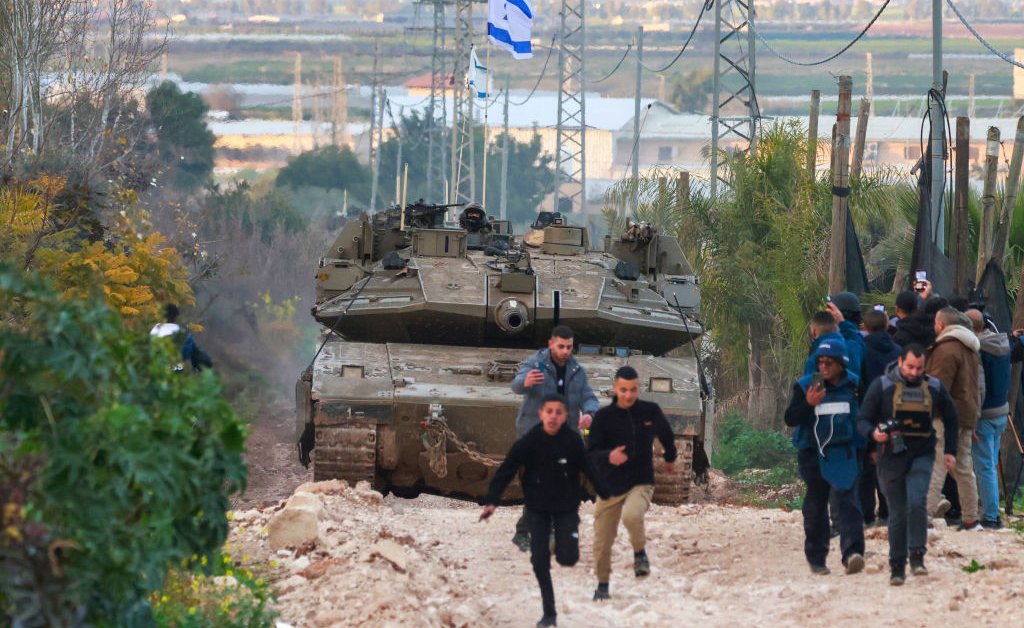
Palestinians Displaced by Israeli Offensive in West Bank Seek Refuge
In the city of Jenin, within the West Bank, residents faced the threat of snipers as Israeli forces took positions nearby. Haleemeh Zawaydeh, a 63-year-old, quickly gathered her family and left their home without packing belongings, joining the exodus of roughly 37,000 Palestinians, according to U.N. estimates, displaced by an offensive targeting militant factions.
Extensive Impact on Refugee Camps
Israel's assault has led to the near-complete evacuation of four refugee camps. Originally established for Palestinians displaced by the events of 1948, these camps have developed into populated neighborhoods that have now been significantly damaged. Roads and essential utilities, including water and power lines, have been destroyed, leaving behind a bleak landscape. The Israeli defense minister recently indicated that military forces might remain for an extended period, potentially preventing displaced residents from returning.
This situation has plunged thousands, particularly those from economically challenged areas, into serious hardship. They are forced to seek temporary residences in nearby communities, yet resources are scarce. The U.N. Office for the Coordination of Humanitarian Affairs (OCHA) has highlighted a critical need for financial support to assist around 4,000 affected families with housing expenses.
Largest Displacement Since 1967
Many displaced Palestinians are turning to temporary shelters, friends, or family for accommodation. Some find sanctuary in educational dormitories, while others reside in improvisational shelters. Neither the Palestinian Authority, strained financially, nor UNRWA, hindered by restrictive Israeli laws, can offer substantial aid. Roland Friedrich from UNRWA remarked that the current level of displacement is unprecedented since the significant moves forced by the 1967 Mideast conflict.
Ongoing Military Operations
The ongoing military operations have intensified since January 21, following a ceasefire with Hamas. The Israeli incursions have concentrated around Jenin, Tulkarem, Far’a, and Nur Shams, challenging local militant strongholds while causing civilian evacuations. Many residents recall the historical precedence from 1948, when large numbers fled amid regional conflict, an act widely criticized under international law.
Demolition and Blockades
In places like Nur Shams, where tens of thousands lived, subsequent demolitions of homes have scattered many. While some residents have briefly returned to retrieve belongings, others have mourned their losses, visiting the graves of loved ones under duress. Reportedly, Israel has laid out detailed plans for further demolitions, exacerbating tensions.
Widespread demolition has inflicted massive structural damage; for instance, Jenin camp alone experienced over 100 housing demolitions. Meanwhile, the blockade of these areas also prevents residents from assessing their homes or returning to rebuild life as they knew it.
Inadequate Support for the Displaced
Facing overwhelming odds, makeshift shelters in Jenin offer limited respite. Around 85 individuals from various families have sought refuge here, dependent on philanthropic support for sustenance. Despite multiple attempts by residents seeking to return, military checkpoints and a heavy security presence with tanks and surveillance technology maintain control.
The Palestinian Authority's assistance is constrained by longstanding financial logjams and political tensions with Israeli entities. Despite sending several aid convoys and financial resources, these efforts fall short of meeting the escalating humanitarian demands.
Additional pressures continue as UNRWA's functional relationship with Israeli authorities has become strained, its evacuation and coordination efforts hampered by prohibitive laws.
Resistance to Permanent Displacement
Despite formidable challenges, local leaders, and community members steadfastly demand their right to return. Public demonstrations, like those near Tulkarem camp, emphasize their resolution to oppose any form of displacement, asserting the inviolability of their position within their homeland.
Leave a Reply