


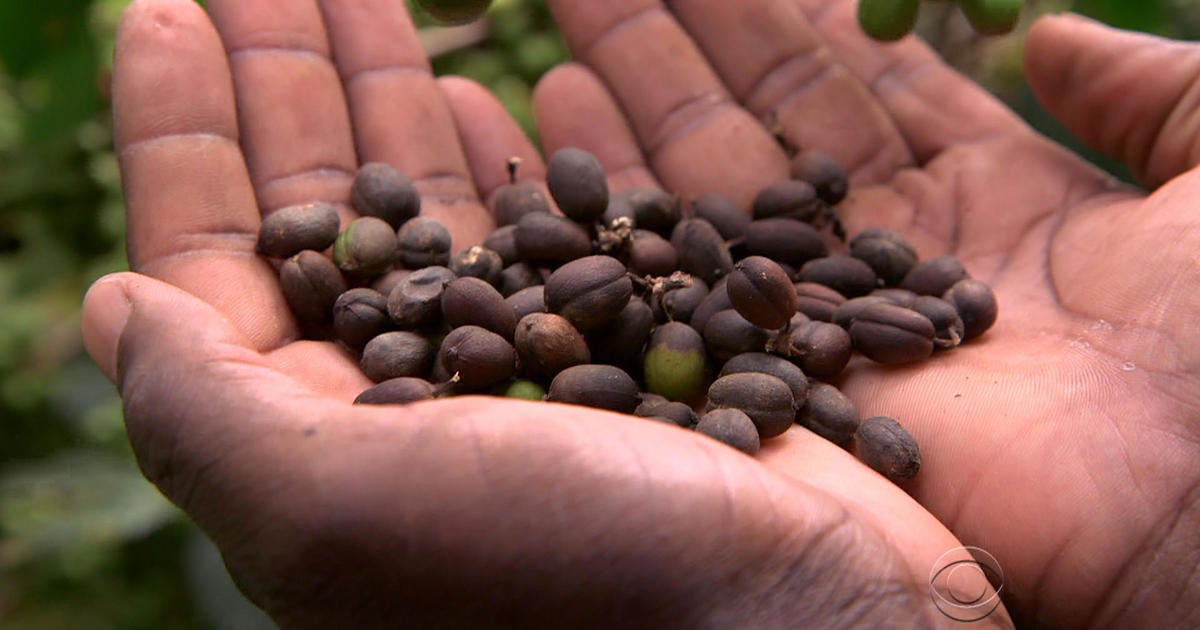
Understanding the Surge in Coffee Prices Across America
In recent times, American consumers already grappling with escalating food expenses are now encountering a surge in coffee prices. The increase is the result of numerous contributing factors.
Arabica beans, renowned as the leading choice globally, have witnessed a noteworthy increase in wholesale prices. Recently, the cost climbed past $4 per pound, a stark rise from sub-$2 figures recorded in early 2024. Notably, the price reached $4.30 per pound by mid-February 2025 in New York's futures market.
Consumers in the U.S. shopping aisles are noticing this trend. By January, ground coffee prices reached a historic $7 per pound, a 75% ascent from the $4 per pound noted in January 2020, based on government statistics.
The trajectory of coffee prices suggests even steeper costs coming soon, with Andrea Illy of Illycaffè predicting up to a 25% jump this year.
The Essential Nature of Coffee
Coffee is deemed indispensable by many ardent drinkers, making price increases somewhat tolerable. In the absence of direct alternatives, this beverage permits manufacturers and retailers to exercise greater pricing power.
Mark Smucker, CEO of J.M. Smucker, highlighted coffee's resilient category status. Despite inflation hurdles, his company, which owns brands like Folgers and Cafe Bustelo, has shown remarkable quarterly performance.
Environmental and Political Influences
Global demand dynamics alongside environmental challenges involving temperature shifts, droughts, and excessive rain particularly affect Brazil and Vietnam, major producers of coffee.
In 2024, Brazil encountered drought conditions followed by a frost in August, disrupting coffee output. Similarly, Vietnam's wet period came post-drought, affecting production. A significant reduction in exports from these regions has contributed to the price spikes.
Gregory Zomfotis, CEO of Gregory's Coffee, notes that when Brazil fails to meet production expectations, global prices escalate. His chain, comprising over 50 outlets, anticipates purchasing 700,000 pounds of coffee this year despite these supply challenges.
An additional layer to this pricing conundrum is international demand. For instance, China's coffee consumption has surged by 150% over a decade, according to the U.S. Department of Agriculture.
Political dynamics also bear weight on the increasing prices. Past assertions by President Trump to impose a 25% tariff on imports from Mexico, a primary coffee supplier to the U.S., have had implications for pricing.
Separately, the European Union's forthcoming regulation, effective in December, emphasizing supply chain transparency against deforestation, could further tighten coffee bean availability.
Finally, geopolitical unrest, such as disputes involving Israel and Hamas disrupting the Red Sea — a vital channel for shipping coffee, exacerbates logistical delays, influencing supply chains and prices.
Tracking Climate and Coffee
This intricate dance between climate, global policy, and consumer demand poses complex challenges. As the world grapples with climate changes and political shifts, the coffee market remains volatile, with the price likely to continue its upward trend.
Leave a Reply