


Secrets to Longevity from a Scientist Studying Centenarians
A scientist dedicated two decades to studying people who have reached the age of 100 and beyond reveals her personal longevity tips.
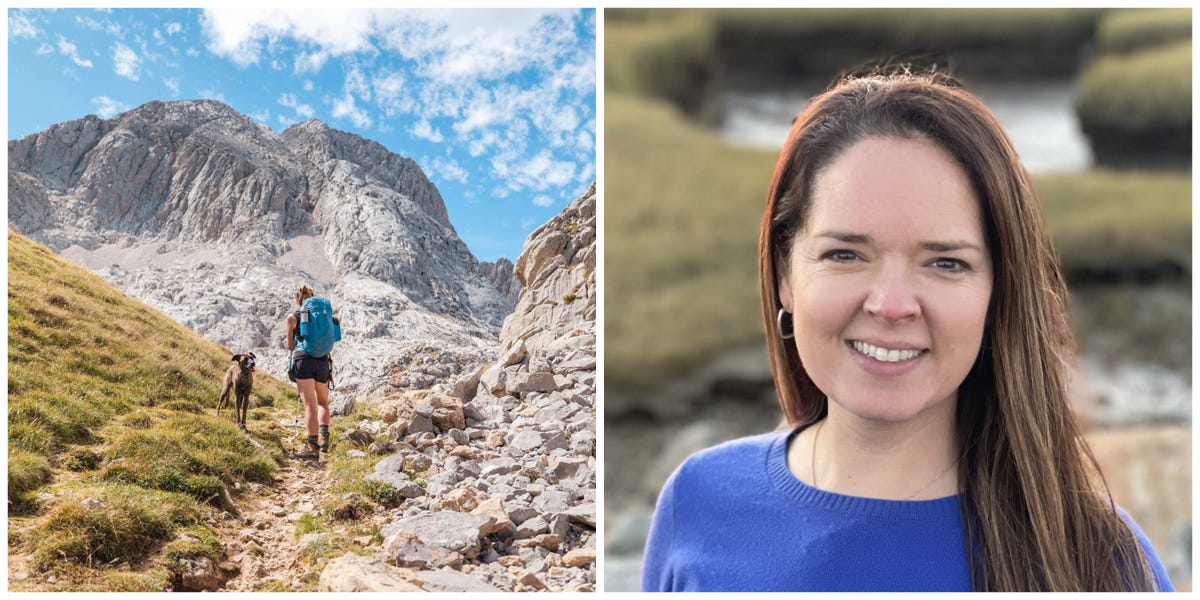
Stacy Andersen, a noted behavioral neuroscientist, leads the New England Centenarian Study at Boston University Chobanian and Avedisian School of Medicine. She has traveled extensively across the country, visiting centenarians at home, getting to know their families, and often joining them for breakfast to learn the secrets behind their extended lifespan.
"Our goal isn't for everyone to reach 100 years, but rather to adopt a centenarian-like lifestyle, thus enhancing the quality of life during those additional years," Andersen shared with Business Insider, discussing the importance of a prolonged healthspan.
While enduring into one's 105th year might be 70% genetics, Andersen believes daily habits play a crucial role in advancing into one's 80s or 90s.
There’s no definitive path to long life, Andersen asserts, but adhering to tested, wholesome practices offers the best chance for aging healthily.
1. Enjoy a Rainbow Diet Every Day
Each day, Andersen aims to consume fruits and vegetables in at least five distinct colors to guarantee a broad spectrum of nutrients. "Ensuring a mix of colors feels fulfilling," she mentioned.
Highlighting the importance of fruits, vegetables, legumes, nuts, and lean proteins, she views the Mediterranean Diet as an ideal model.
Drawing from eating habits in Italy, Greece, and Turkey, the Mediterranean Diet has been lauded for eight consecutive years as the healthiest by US News & World Report.
A significant 2023 study demonstrated that adherence to a nutrient-rich diet like the Mediterranean Diet can extend life by up to ten years compared to those who consume more Western-style diets.
2. Keep Active and Vary Your Exercises
Andersen ensures daily exercise by integrating diverse workouts, from strolling with her dog to treadmill sessions.
Active lifestyles are prevalent among centenarians, who commonly live independently into their 90s, often outdriving peers by a decade and working five years longer.
Everyday activities like walking and stretching, coupled with informal exercises like cleaning and gardening, are typical physical engagements.
The well-established correlation between longevity and an active lifestyle is supported by a 2023 University of Cambridge study linking just 11 minutes of daily exercise to a reduced risk of chronic diseases such as cancer and heart disease.
3. Prioritize Quality Sleep
Commitment to a solid eight hours of restorative sleep each night is Andersen's priority.
While general sleep advice recommends seven to nine hours, recent studies suggest that having a regular sleep pattern may hold greater importance.
Refreshing rest is key—even beyond the number of sleep hours, Andersen emphasized, "It’s when you naturally wake up energized," she added.
During sleep, the brain undergoes a 'power cleanse,' facilitating the removal of proteins linked to neurodegenerative diseases like Alzheimer's.
4. Embrace New Challenges
Taking up sailing sharpened Andersen’s mental and physical capabilities. Her mantra is, "Pursue new activities you've always yearned to try!" Many centenarians have undertaken new hobbies such as painting in their later years.
Engaging in novel activities strengthens neural pathways and forms new ones, crucial for brain health, she explained. "Crossword puzzles provide some cognitive engagement, but greater benefits come from more dynamic learning experiences," Andersen noted.
Findings from a 2021 University of Edinburgh study, published in PLOS One, support this. Participants who underwent a week of intensive language learning reported improved focus and task-switching abilities compared to those in non-language-based intensive courses.
Leave a Reply