


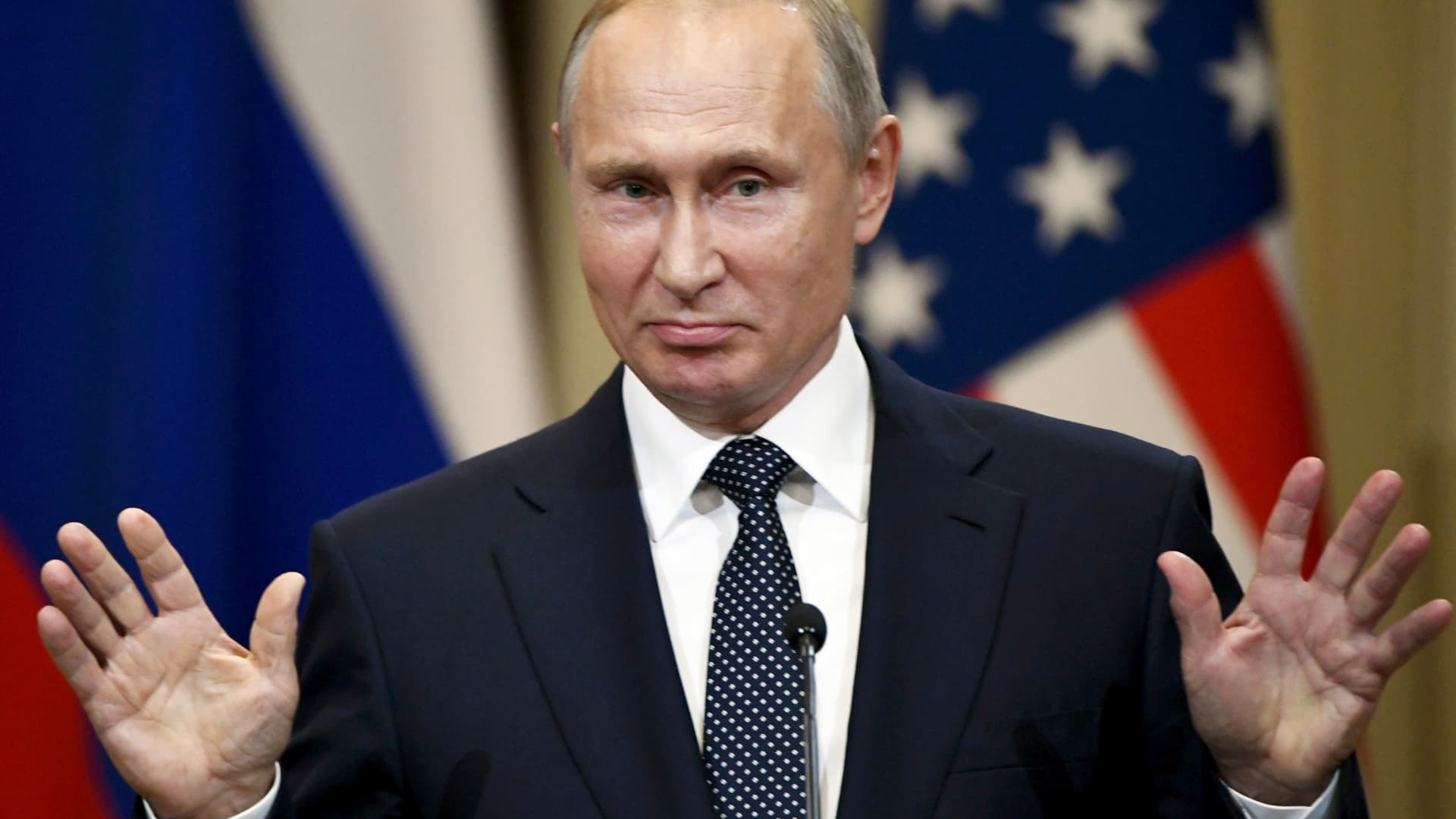
Russia's Shift Towards Renewed Relations with the U.S.
For the past three years, Russia has channelled considerable effort into criticizing the United States, condemning its governance, economic influence, and cultural reach, especially perceiving it as a global dominance under Washington's leadership.
The imposition of international sanctions spearheaded by the U.S. intensified Moscow's antagonistic rhetoric. President Vladimir Putin and high-ranking officials were vocal critics amid continuing conflicts.
However, the election of a more amicable U.S. administration under President Donald Trump, alongside budding dialogues to resolve the war in Ukraine, signals a new direction. The Kremlin is markedly softening its stance, heralding a thaw in previously icy relations.
An Emerging Understanding
The diplomatic atmosphere between Moscow and Washington transformed rapidly following peace talks in Riyadh aimed at addressing the Ukraine conflict, though Kyiv was notably absent.
Putin remarked positively on the discussions, which were described as notably amicable by those involved, highlighting a welcomed shift from prior biases.
The Kremlin spokesperson, Dmitry Peskov, emphasized a return to a 'business-like' approach, while Foreign Minister Sergey Lavrov underscored the need to repair the damages caused under the previous U.S. administration.
Economic Advantages
Economically, Russia has often downplayed the Western sanctions' impact on vital sectors like oil and gas, turning instead to strengthen ties with nations such as China and India.
An easing of sanctions and reopening of markets, economists predict, could substantially boost Russia's financial landscape by facilitating enhanced trade and access.
As peace talks progress, the economic benefits of a resolution to the Ukraine conflict could see an increase in Russian energy supplies and potentially lower energy prices across Europe.
Controversial Responses
Ukraine and European nations are discontented with renewed Russia-U.S. diplomacy, feeling sidelined in the negotiations. President Zelenskyy openly criticized the exclusion, pointing to disinformation influencing Trump's administration.
The dialog has stirred controversy, emphasized by Trump's sharp retort describing Zelenskyy as authoritarian against a backdrop of strong public support in Ukraine.
Despite these diplomatic shifts, underlying tensions persist, with the broader geopolitical implications still unfolding between historical adversaries and alliances.
Leave a Reply