


Historic Cookbook by Pioneering Black Woman Receives New Edition
Reviving Malinda Russell's 1866 Culinary Gem
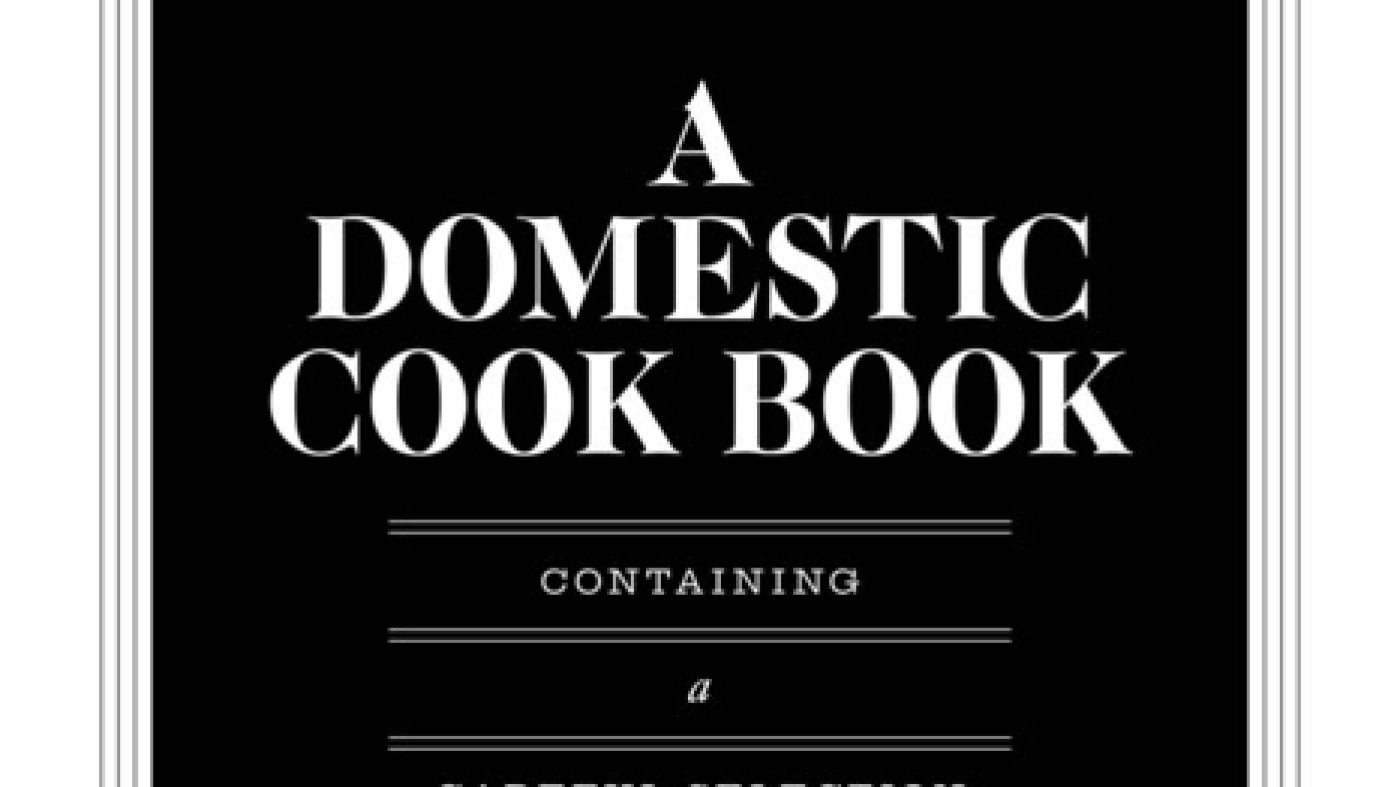
The oldest cookbook authored by an African American woman ever published is coming back into print this February.
Authored by Malinda Russell in 1866, the cookbook offers a rare glimpse into her life, although much about her remains elusive, as noted by Rafia Zafar, an emeritus professor affiliated with Washington University in St. Louis, who wrote the foreword for the new edition.
More Than Just Recipes
Zafar reveals that Russell had to overcome numerous personal trials: she was widowed young, had a child with disabilities, and ran her own business—a pastry shop. Perhaps her shop provides context for over a hundred dessert recipes, featuring traditional flavors such as spiced cake, French lady cake, lemon puffs, and berry pudding, tantalizing to this day. In addition to confections, her book offers savory dishes, hair care concoctions, and home remedies for ailments like toothaches and swelling.
Challenging Existing Scholarship
According to Zafar, for many years the scholarly community believed Abby Fisher had written the earliest known African American cookbook with her 1881 publication. Fisher, born enslaved, could not read or write and dictated her recipes after gaining culinary fame in San Francisco. Other earlier publications by Black authors include works by Robert Roberts in 1827 and Tunis Campbell in 1848.
A Rediscovery in Modern Times
Malinda Russell's culinary collection surfaced from obscurity when found nestled in a box of books during the early 2000s by culinary historian Janice Bluestein Longone. The book now forms part of a collection held at the University of Michigan.
Russell's Inspiring Backstory
In her own words in the cookbook, Russell mentions her birth in Washington County, Tennessee, and her mother Malinda who was one of the first freed by Mr. Noddie in Virginia. Russell's dreams of traveling to Liberia in her youth were thwarted by theft, and subsequent robberies left her to rebuild her life multiple times.
She operated a washing business and a boarding house before opening her pastry shop, but another theft in 1864 nearly started her anew. This misfortune partly motivated her to publish her cookbook, in hopes of financial recovery, banking on the community's appreciation for her cooking proficiencies.
Culinary Legacy
Her work was made more accessible via inclusion in the Virginia Museum of History and Culture's online project. Many have been inspired to adapt her historical recipes, though Zafar warns that early cookbook formats, including Russell's, often lack specifics like baking temperature or pan size.
Zafar humorously notes, "Many claim reading cookbooks is like reading novels, but they also resemble ethnographic studies or time-travel voyages." Celebrating Black History Month, she cherishes Malinda Russell's fortitude as a testament to the endurance of creativity through the ages.
Leave a Reply