


Judge Prolongs Ban on DOGE Access to Treasury Data
On Friday, a federal judge in Manhattan continued a temporary ban preventing DOGE from accessing certain Treasury Department data. This order comes amid criticism from New York and other states, asserting it poses an invasion of privacy while the court evaluates a longer-term solution.
Following two hours of legal debate, Judge Jeannette A. Vargas expressed that the continuation of the temporary restraining order (TRO) was justified. She remarked that more time is required to thoroughly examine the matter before rendering a final decision.
The session highlighted significant gaps in understanding regarding the scope of DOGE's access to Treasury data and subsequent dissemination practices.
When asked whether the Treasury data accessed by DOGE was shared externally, Jeffrey Oestericher from the DOJ responded that they lacked a definitive answer at present.
Oestericher noted that an ongoing forensic examination revealed external email correspondence from within the Treasury but specifics of the content remain unknown.
Inquiring into potential privacy issues, Vargas questioned the situation's risk profile, but Oestericher dismissed significant concerns.
The DOJ attorney acknowledged some elevated risks while asserting that comprehensive protective measures were implemented to minimize those.
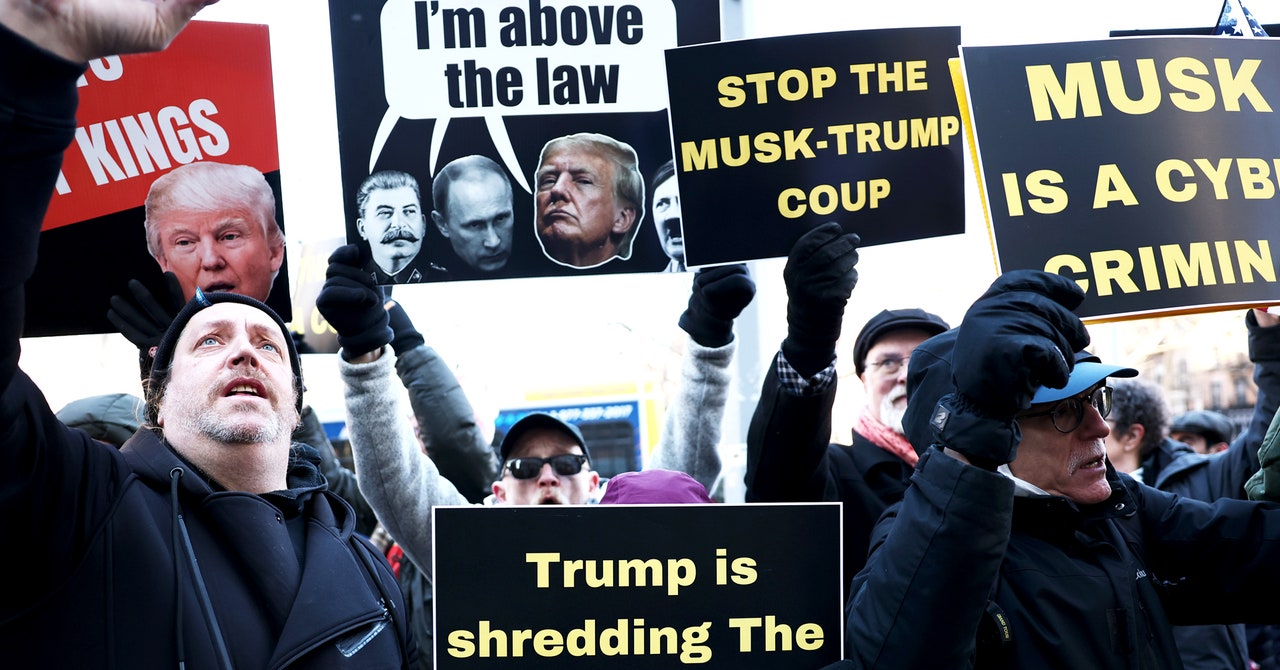
This decision follows a temporary order filed days earlier barring DOGE from engaging with specific Treasury databases. This order was derived from unease over a policy initiated by Donald Trump, which reportedly extends database access to political appointees.
Judge Paul A. Engelmayer highlighted the risk of classified information exposure and cybersecurity vulnerabilities as reasons for granting the restraining order.
Concerns Over Data Security
Documentation indicates a probability of success for New York's legal claims against the policy. A WIRED article highlighted that a 25-year-old engineer affiliated with Elon Musk accessed core Treasury systems, raising alarms over cybersecurity.
Marko Elez and Tom Krause, allegedly obtained permissions to engage with key U.S. governmental payment systems, including the Payment Automation Manager, generating fear over potential system vulnerabilities.
Court filings argue that permitting DOGE members access to sensitive financial information conflicted with numerous confidentiality regulations.
Elez once mistakenly received broader system privileges than intended, posing significant risks, despite eventually resigning after facing public backlash for controversial online behavior.
Legal and Political Tensions
New York Attorney General's Office insists that Elez and Krause misused their data access under unauthorized pretexts, perpetuating security concerns due to Elez’s documented screenshot activities.
Despite assertions of a risk-minimized environment, New York officials are skeptical of the assurances offered by the DOJ. Concerns heighten given Krause’s dual employment status, suggesting divided allegiances.
Contention arises from states challenging DOGE’s role, arguing the impingement on their financial privacy under dubious policy expansions.
Defending Presidential Directives
Trump's legal team defends their directive as a Presidential prerogative for oversight and efficiency. They argue the Treasury's collaboration with DOGE is crucial for properly managing the nation's financial transactions, as outlined by the BFS.
Supporting states from the political right argue such opposition intrudes on presidential powers, suggesting an unconstitutional overreach into the Executive’s sphere.
Leave a Reply