


Trump Administration's Focus Turns to Comcast
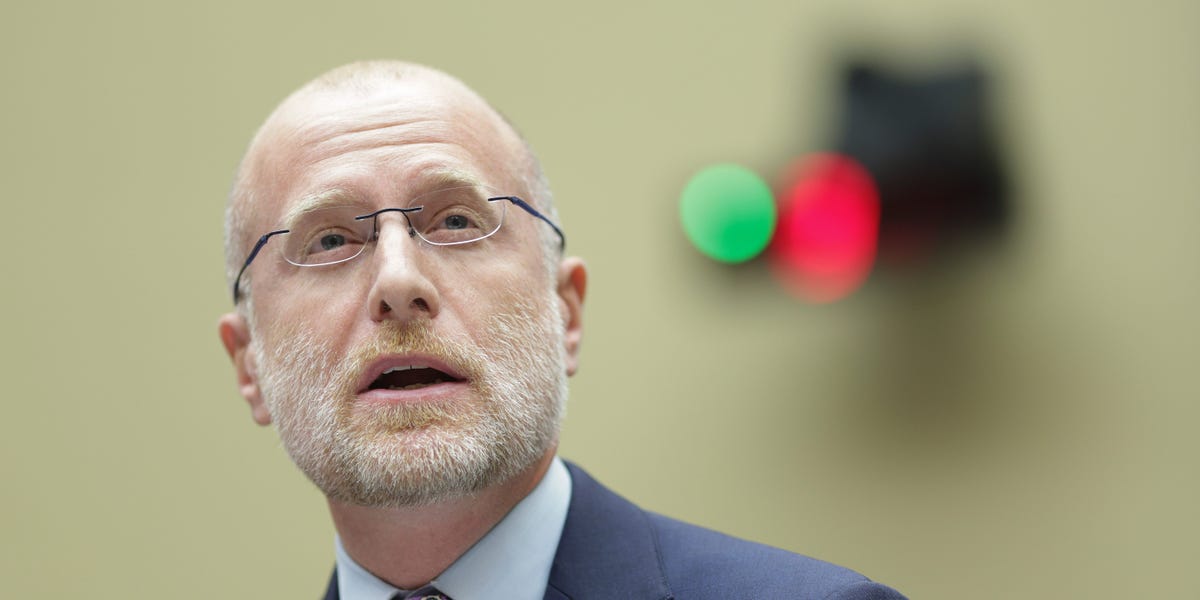
Following the previous autumn's elections, Brendan Carr, chosen by Donald Trump to steer the Federal Communications Commission, reaffirmed his intention to closely examine major media entities.
This week, Carr notified Comcast—an expansive cable and broadband provider known for its media ventures like NBC, Peacock, and Universal studios—that the company would come under investigation. The goal is to establish whether it is engaging in discriminatory practices contrary to FCC rules and civil rights statutes.
Scrutiny Intensifies
Previously, Carr's agency prompted CBS to provide transcripts and footage of a '60 Minutes' segment featuring Kamala Harris, citing potential 'news distortion.' This incident is part of a larger legal struggle between Trump and CBS owner Paramount, which is currently pursuing a settlement. Although the FCC's examination and Paramount's sale talks seem separate, they're intertwined in practical terms.
Now, Comcast joins the ranks of media giants under scrutiny. Historical context reveals Trump's earlier legal action against Disney, which settled post-election. Trump's preferential media outlet, Rupert Murdoch's Fox Corporation, remains an unlikely target.
Concerns Over DEI Policies
In his letter to Comcast, Carr highlighted concerns that the company might still be endorsing Diversity, Equity, and Inclusion (DEI), potentially leading to civil rights violations. Carr justifies his involvement due to FCC's regulatory jurisdiction over multiple Comcast operations, spanning from cable services to wireless facilities.
This move aligns with a Trump directive urging agencies to uphold civil rights laws and challenge unlawful private DEI biases, directing them to identify civil compliance cases across sectors.
Comcast's Response and Broader Implications
In its response, Comcast confirmed the receipt of Carr's communiqué and pledged cooperation with FCC inquiries. Emphasizing values of integrity and respect as cornerstones of its corporate culture, Comcast appears ready to address any queries.
Carr's motivations might extend beyond HR issues. Notably, before the election, Carr objected to a 'Saturday Night Live' skit featuring Kamala Harris, claiming it breached FCC's 'equal time' rule. Such contentions might endanger Comcast's broadcasting licenses, prompting Carr to assert all potential remedial measures should initially be considered.
The Trump administration's approach implies that media conglomerates must tread cautiously to avoid political repercussions, whether through interviews, comedy sketches, or employment policies. The underlying message suggests vigilance in their media-related decisions.
Leave a Reply