


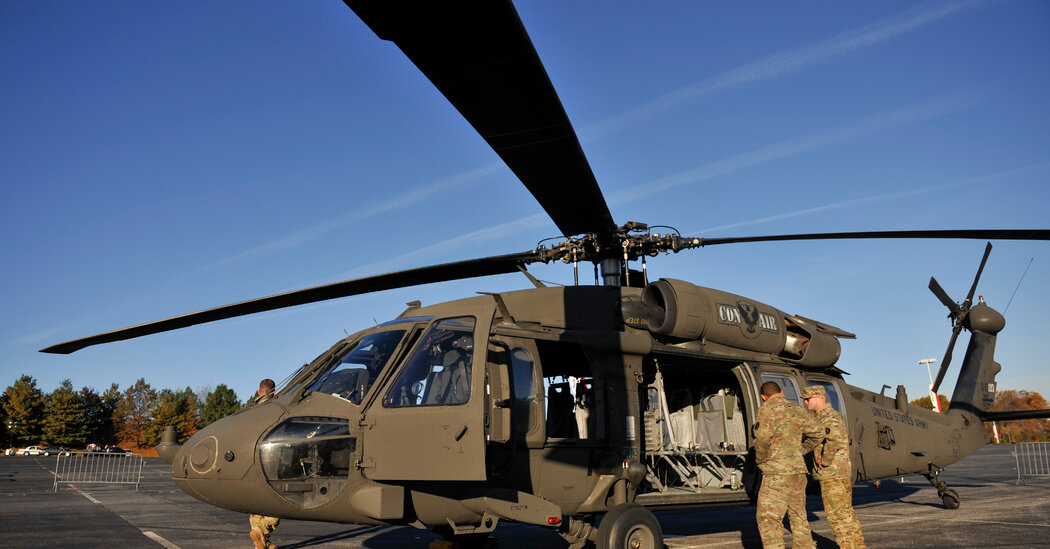
Challenging Circumstances Faced Black Hawk Crew Prior to Catastrophic Accident
Army pilots were confronted with a multitude of difficulties including dim visibility, operating at low altitudes, navigating a congested airspace, and managing a cockpit lacking vital traffic detection equipment before a dramatic midair crash occurred with a regional passenger aircraft.
Operating helicopters in the vicinity of Ronald Reagan Washington National Airport is inherently risky. However, on the night of January 29, a confluence of particularly adverse conditions led to a fatal crash between an Army Black Hawk chopper and an American Airlines jet.
The crash, which sent debris from both the helicopter and the plane tumbling into the frigid waters of the Potomac River, stands as the deadliest aviation disaster in the United States since 2009. Currently, investigators from the National Transportation Safety Board are piecing together the events of that tragic collision, which claimed 67 lives.
Preliminary findings suggest the helicopter was operating about 100 feet above its permitted altitude. Investigators are working to uncover the reasons for this deviation.
Conversations with helicopter aviators reveal that the Black Hawk crew encountered a mix of standard and atypical challenges for flights near the bustling airport outside Washington D.C., including piloting an older model helicopter lacking modern safety systems commonly found in contemporary U.S. commercial planes.
Austin Roth, a former Army instructor for Black Hawk helicopters, commented on the intrinsic challenges of flying in that airspace, expressing that due to its complexities, it poses higher-than-usual risks for pilots.
The National Transportation Safety Board has yet to assign blame to the Army crew, who were described by Defense Secretary Pete Hegseth as having substantial experience.
Leave a Reply