


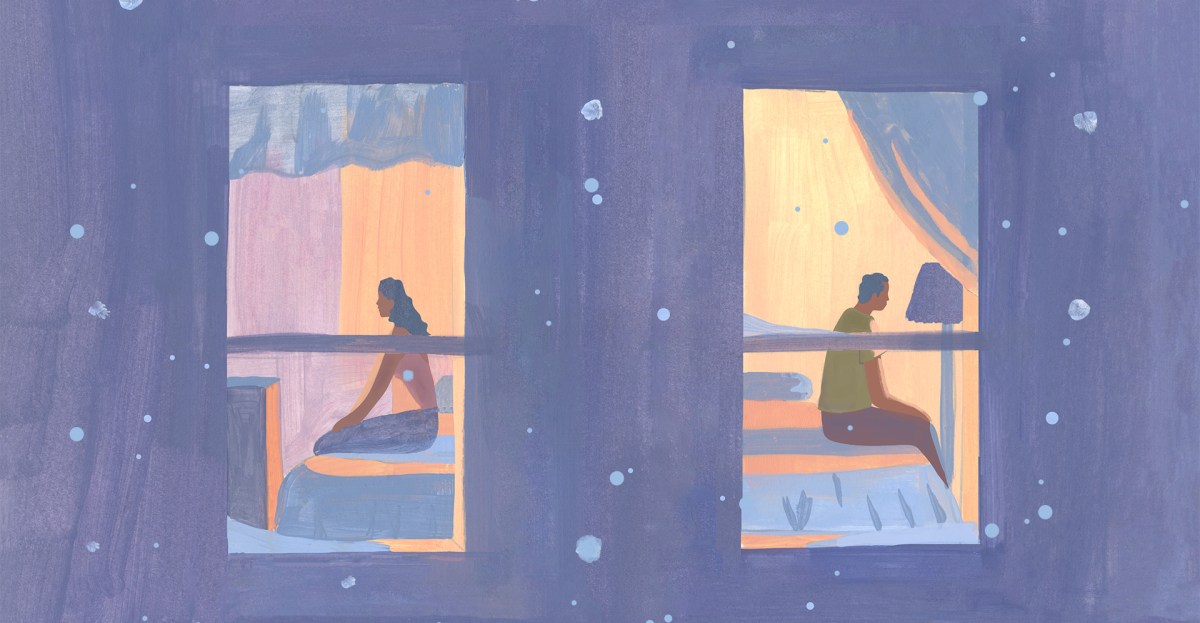
Can Protecting Your Peace Put Friendships at Risk?
The idea of a conflict-free life is an unrealistic dream.
Over the past few years, advice to 'protect your peace' has gained traction, advocating for distancing oneself from people and situations that demand excessive emotional labor or result in too much chaos and pain. If a friend misses your birthday, should you ignore their messages? If your spouse disregards tidiness, is divorce the answer? Should you walk away from family after one too many jabs? The notion here implies relationships should be effortless, devoid of strife.
This craving for emotional comfort finds its loudest voice online. 'Protect your peace' videos on TikTok amass millions of views, and terms like 'toxic,' 'red flags,' and 'narcissistic' are used as shorthand to identify individuals to avoid. There’s a surge in personal stories and advice on severing ties with toxic individuals—some even claim to have completely moved away from friendships. Reflecting a similar trend, a YouGov survey revealed more than a quarter of Americans are estranged from immediate family members.
Cutting ties with those deemed toxic is perceived as virtuous, an act of self-care. Experts caution, however, that this might be an overreach: Reflexively severing connections at the onset of conflict may hinder mental and social well-being.
Navigating the Desire for Self-Preservation
Pruning one's social circles is a relatively modern practice. Historically, such isolation could threaten survival. In close-knit groups, losing even one connection could cascade into further rifts, potentially leading to universal ostracism, with serious emotional and physical consequences.
As societies lean more towards individualism, the benefits of collaboration diminish. Today, many prioritize personal needs, interpreting any challenge or demand as a sign of relational dysfunction. Instead of tackling these challenges head-on, blame is often placed on others. The rise of digital hustle culture and therapeutic language further solidifies the belief in self-reliance.
In times of global instability or personal financial strain, it's understandable to want to shield oneself. This has led some to overuse 'boundaries,' not as personal guides, but as rules for others. 'Everyone’s navigating a world full of fear and confusion,' observes Israa Nasir, therapist and author. 'People isolate themselves, declaring it a boundary, whether it’s with friends or family, as a means of self-preservation amidst general discontent.'
The Impact on Relationships
A significant downside of this 'cut-off culture' is an avoidance of conflict as a standard practice. Addressing a parent’s failings demands emotional capacity; avoiding the conversation is easier. This avoidance means that when necessary discussions arise, many find themselves unable to express feelings without anger or blame.
Avoiding conflict is a short-term strategy; engaging in challenging conversations can enrich relationships by instigating growth and improvement. Dismissing someone suggests you don't believe in their capacity for change. True relationships encompass positivity and negativity.
All this self-preserving behavior comes with steep costs. Research in 2019 highlighted higher rates of depression, anxiety, and diminished social networks in individuals with numerous estrangements. Isolation can lead to declines in mental and physical health.
If individuals wall themselves off, they might miss opportunities for deeper, more fulfilling connections. They may not realize that reciprocity is key; others will be there for you if you’re there for them.
Preserving Peace While Keeping Bonds Intact
Research asserts that robust personal relationships are a cornerstone of happiness. Strict adherence to 'peace-preservation' devoid of conflict often conflicts with nurturing such ties.
Improving conversational and empathetic skills is vital. It’s important not to shut down when tensions rise but instead to communicate feelings without labeling others with terms like 'narcissist.' Share how someone’s actions specifically affected you.
In scenarios where parents may be defensive or accusatory, children might need to guide discussions. Developing empathy for those yet to acquire necessary interpersonal skills is commendable. Avoid dismissing those who lack the tools to discuss conflicts constructively.
Similarly, when faced with difficult dialogues, avoid being combative. Accountability should be about recognizing our role in personal dynamics, not attributing blame elsewhere.
Managing emotions through regular self-assessment can aid in navigating disputes. Acknowledge specific feelings—be it disappointment or frustration—and validate them constructively. Society could benefit from embracing a paradigm where grace and forgiveness are extended liberally.
Instead of expelling others for their faults, what if we valued relationships that both challenge and support us? Recognizing everyone’s imperfections could foster healthier connections.
Leave a Reply