


BOE's Prospective Rate Reduction Amid Complex Challenges
Anticipation is high that the Bank of England will decrease interest rates this Thursday, faced with tough economic circumstances characterized by sluggish local growth, imminent business tax increases, and destabilizing tariff threats from U.S. President Donald Trump.
As of the most recent data on Wednesday, financial markets have predicted with a 98% likelihood a quarter-point rate reduction in February, likely bringing the rate to 4.5%. Previously, in December, the BOE highlighted elevated services inflation at 5% and a headline inflation figure of 2.6% from November, taking into account the slower rate now, with services inflation reducing to a 33-month low of 4.4%.
From the start of January, there has been an increase in trader speculation regarding the number of likely rate cuts BOE will execute in 2025. Initially, only two were anticipated, but analysts and key business figures, such as the leader of a major British bank, are now forecasting three reductions. Market behavior indicates over 80 basis points of cuts by the year's end, implying the potential for four cuts.
These expectations have been influenced by unanticipated economic data and developments.
The upcoming Thursday decision will closely be scrutinized for the breakdown of votes among the nine-member Monetary Policy Committee. A unified or near-unanimous decision will be indicative of an easing stance, alongside updated projections for growth and inflation from the BOE.
The U.K. economy has displayed sluggish performance recently, and the BOE indicated no growth in the final quarter of the last year.
If the BOE revises its growth forecast for 2025 downward, or adjusts its inflation outlook for the end of 2025 and the span of 2026, it would reinforce arguments for a dovish policy stance.
Forecast Complexity
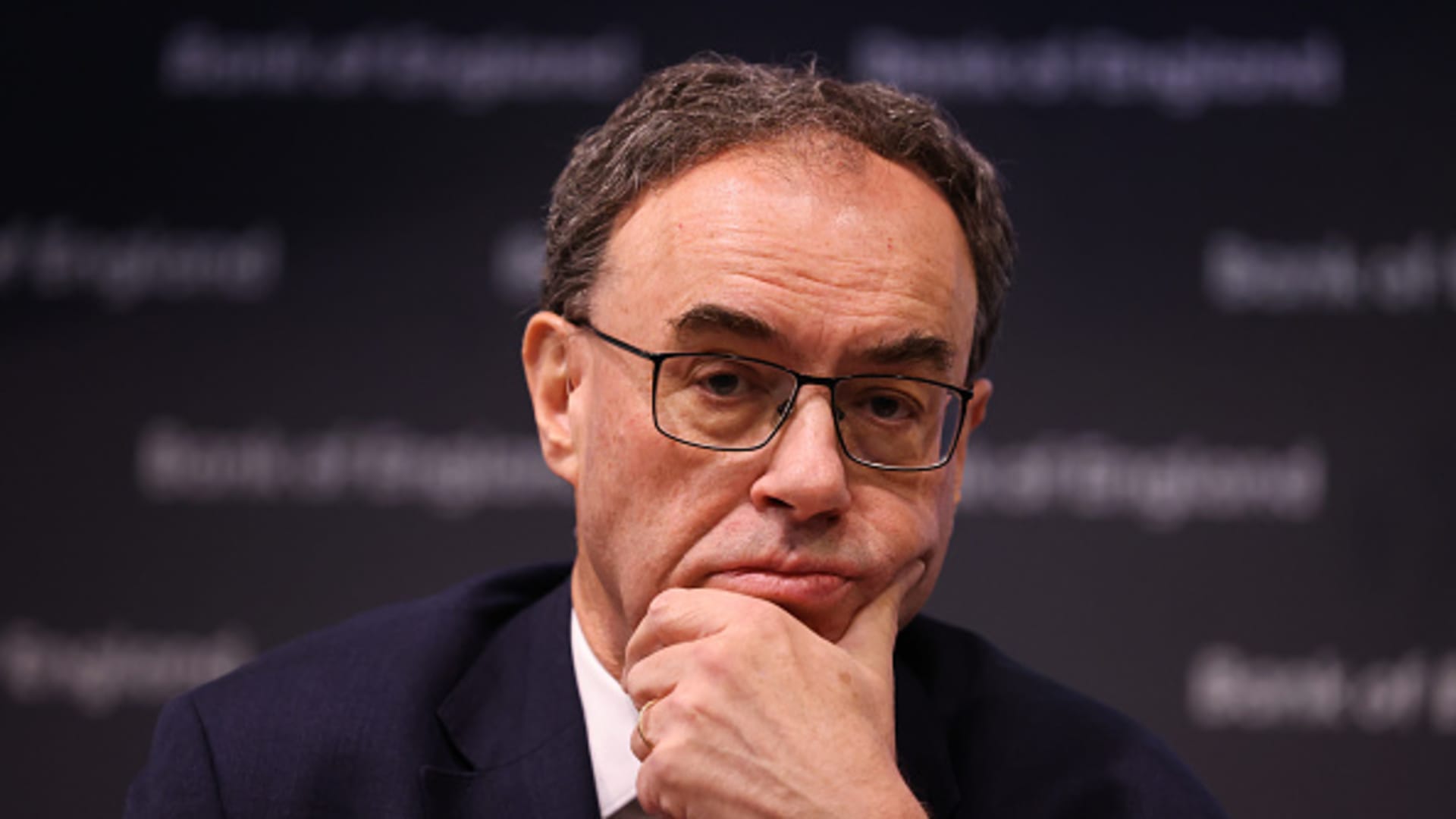
Two significant factors could add layers of complexity to the Bank's future projections, which will likely be areas of focus during Governor Andrew Bailey’s address.
The first concerns the inflationary implications of recent policies announced by the U.K. government in October, which include a marked increase in payroll taxes. Reports from the British Chambers of Commerce suggest that some businesses are preparing for price hikes due to these rising costs.
The second factor is the potential impact of Trump's variable trade policy, especially in light of ongoing trade tensions with China. Despite these tensions being less intense than initially anticipated, Trump has imposed tariffs on goods from the U.K. and the EU, though there's speculation that other countries might negotiate exemptions.
It's also proposed that the current global trade disagreements might present the U.K. with unique opportunities for investment and trade, potentially boosting its economic outlook.
Dan Boardman-Weston, CEO and chief investment officer of BRI Wealth Management, mentioned on CNBC's 'Street Signs' that if Chinese products extend into the U.K. market, this could help lower prices, providing both the European Central Bank and BOE the leverage to implement deeper rate reductions than currently expected, especially given predicted weak growth trends.
This may establish further divergence in monetary policy approaches between the BOE and the ECB, with the former projected to make more substantial cuts than the latter, and the U.S. Federal Reserve anticipated to make minimal adjustments.
Anthony Karaminas from SEI highlighted the delicate balancing act the BOE faces, trying to stimulate economic activity amidst ongoing inflation pressures, which limit the room for further rate cuts.
In emailed commentary, Karaminas expressed that persistent inflation may restrict Governor Bailey's options for significant reductions.
If the BOE proceeds with rapid reductions, it might negatively impact the credibility of the U.K. bond market, potentially leading to an increase in the term premium, thereby affecting government spending capacity, which is much needed for productivity-driven growth.
U.K. borrowing costs had previously mounted due to global market sell-offs and concerns over Britain's deficit and growth outlook. However, these costs have significantly decreased subsequently.
Leave a Reply