


Trump Claims Canadian Tariffs Could Combat Fentanyl, Despite Low Cross-Border Issues, Say Experts
By CBS News
President Donald Trump has justified the consideration of tariffs on Canada, citing the need to address illegal fentanyl trafficking, despite minimal inflow of this opioid from the northern frontier.
The White House stated that the announced tariffs aimed at Mexico, Canada, and China were a response to the illegal fentanyl these nations allegedly generated and allowed into the U.S. Trump called it a countermeasure against the severe threats posed by illegal drugs, including fentanyl, and unauthorized immigrants.
Although discussions led to the shelving of a 25% tariff on Mexico and Canada, a lower 10% tariff remains against China.
The tariff initiative also sought to press these countries into addressing illegal immigration and balancing trade deficits with the U.S.
Fentanyl Seizures at the Northern Border
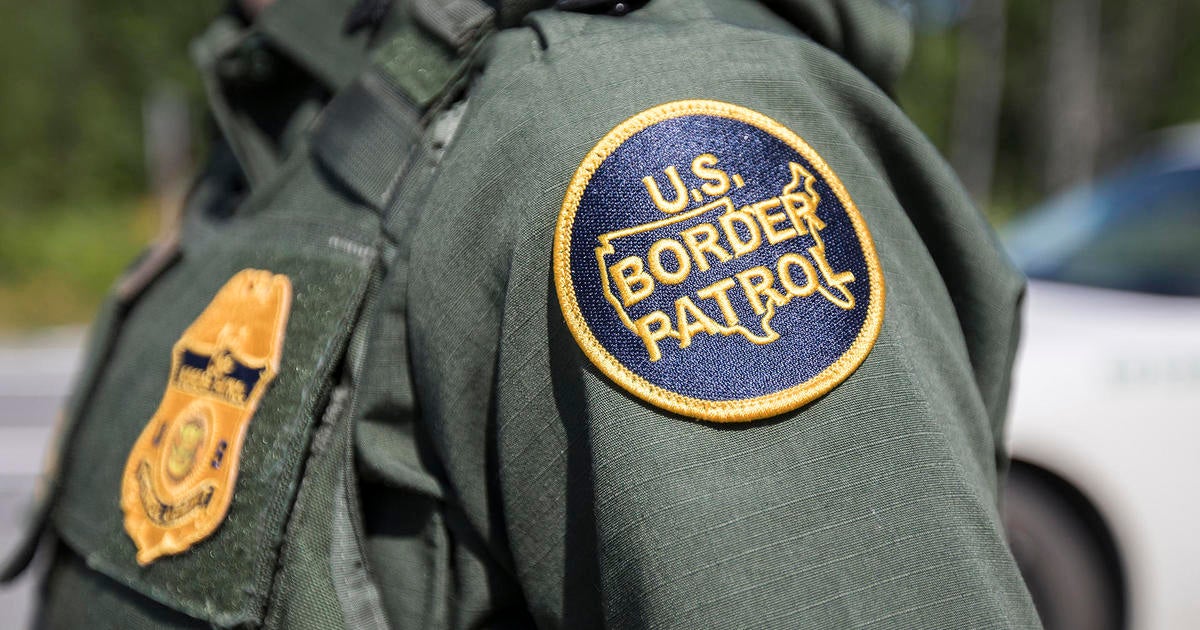
Reports indicate that last year, U.S. border agents confiscated only 43 pounds of fentanyl from the border with Canada. In stark contrast, approximately 21,100 pounds were seized elsewhere, primarily at the Mexican border.
Research by Jonathan Caulkins has focused on significant fentanyl seizures. Only a few incidents of substantial fentanyl confiscations occur near the Canadian border, notably in two counties adjacent to it, including the Detroit area where the amount seized mirrors its population. In contrast, Whatcom County, Washington, faces disproportionate seizures.
The United States experiences a much higher fentanyl-related mortality rate compared to Canada.
Between 2016 and 2024, Canada recorded opioid-related fatalities, most of which were due to fentanyl. In 2023 alone, more than 74,000 fentanyl-related deaths occurred in the U.S.
Fentanyl's Route into the U.S.
Fentanyl predominantly makes its way into the U.S. through Mexico. Mexican cartels are reportedly central to this crisis.
Analysis by Caulkins noted a ratio of 21 major fentanyl seizures at the Mexican border for every one at the Canadian border.
Drug smuggling typically involves U.S. civilians hired by smuggling networks, often linked back to cartels. These individuals blend in more easily at border crossings.
Frontiers of Precursor Chemicals
Precursor chemicals, essential for drug production, are seized at various locations, including Canada and Mexico. These chemicals mostly originate from China and get shipped primarily to Mexico, where fentanyl is manufactured and then transferred into the U.S.
Recently, significant seizures of fentanyl and its precursors were made by Mexican authorities.
In November 2024, Canadian law enforcement discovered one of the largest labs in British Columbia. They captured a massive stock of precursor chemicals and approximately 110 pounds of fentanyl along with other substances.
This lab was believed to be manufacturing fentanyl and methamphetamine for domestic and international distribution. The drugs' ultimate destinations were not disclosed.
As of December 2024, plans for a "Chemical Precursor Risk Management Unit" in Canada were announced. This unit aims to improve insights and monitor the distribution of chemicals, aiding law enforcement efforts against illegal activities linked to precursors.
Additionally, Health Canada intends to expedite the regulatory ban on precursors to assist border and law enforcement in swiftly curbing their illegal importation and use.
America's Ongoing Fight Against Opioids
Kerry Breen, a CBSNews.com editor, covers a range of topics including substance abuse. A graduate of NYU's Arthur L. Carter School of Journalism, Breen previously worked at NBC News' TODAY Digital, focusing on current events and breaking news.
Leave a Reply