


Europe's Energy Struggles Three Years After the Ukraine Conflict
In the wake of the Ukraine invasion, Europe has managed to diversify its energy sources as it distances itself from Russian natural gas. Significant amounts of energy are now being imported from the United States, yet the steep costs are putting economic pressure on the continent.
Shifting Energy Sources
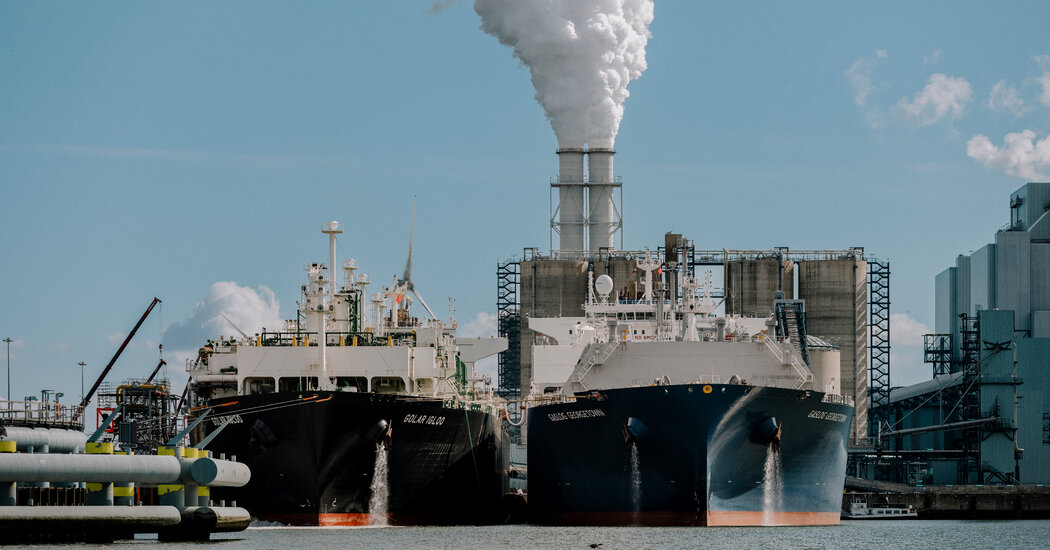
At a new port facility along Germany's Elbe River, American tankers regularly deliver liquefied natural gas essential for powering both industries and homes. Meanwhile, in central Spain, towering wind turbines dot mountaintops to enhance the power grid. In an effort to conserve energy, France has reduced heating in government buildings during the colder months.
Since the crisis began, Europe has significantly revamped its approach to energy generation and storage. Previously dependent on Russia, the continent has turned to alternatives like U.S.-sourced liquefied natural gas, with renewables such as wind and solar energy soaring by around 50% since 2021. There are also plans for new nuclear power facilities throughout Europe.
Persistent Energy Vulnerability
Despite these efforts, Europe’s energy future is still unpredictable. The continent consumes much more gas than it produces and continues to rely heavily on imports, particularly from the U.S., to keep its infrastructure functional. The cost of natural gas—and by extension, electricity—stands at about quadruple the price found in the U.S., stressing both households and industries, thereby weakening the overall economy.
Revealed Dependency on Russian Supplies
The crisis unveiled Europe’s heavy reliance on Russian energy, particularly natural gas, which constituted nearly 20% of the region's energy needs before initiatives to diversify.
In a statement last month at the World Economic Forum, Ursula von der Leyen, President of the European Commission, highlighted that while Russian energy seemed affordable, the geopolitical consequences were severe.
Leave a Reply