


Potential Price Hikes from New Trump Tariffs on Key Trading Partners
American consumers might soon experience a surge in expenses for a range of products, from cars to avocados, if the Trump administration enacts additional tariffs on the nation's three primary trading countries starting February 1.
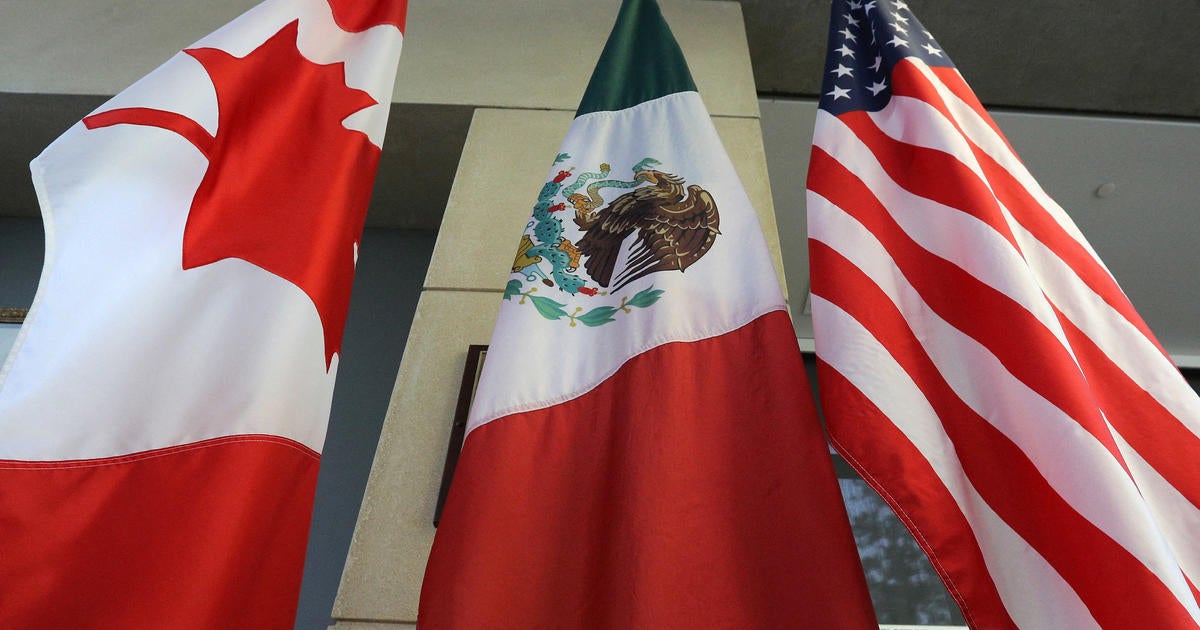
The upcoming weekend marks the imposition of a 25% tariff by President Trump on commodities coming from Mexico and Canada, coupled with an extra 10% levy on goods from China, as clarified by White House spokesperson Karoline Leavitt.
Often framed as taxes borne by overseas suppliers, these tariffs are essentially fees that U.S. companies must pay the government, according to the Tax Foundation. Companies typically compensate for these costs by raising consumer prices.
Impact on Consumers
If significant tariff increases occur, domestic businesses and shoppers are likely to shoulder the burden of these elevated costs, as stated by Brian Peck from the University of Southern California's Center for Transnational Law and Business.
Imports from Canada encompass oil, timber, and construction materials, while over 20% of agricultural goods brought into the U.S. come from Mexico.
A possible exemption could exist for oil and gas products. Given that Canada provides roughly 20% of the U.S.'s oil supply, imposing a 25% tariff on these imports could rapidly inflate gasoline prices by 30 to 40 cents per gallon, according to Patrick De Haan at GasBuddy.
Although the effect of higher prices may be significant for American consumers, the Canadian and Mexican economies might face greater challenges. Based on Wendong Zhang from Cornell University, this tariff could reduce Canada's and Mexico's real GDP by 3.6% and 2%, respectively, compared to a 0.3% reduction for the U.S.
Foods: Avocados, Meat, and More
With tariffs in place, the cost of fruits, vegetables, and nuts from Mexico, such as avocados, could rise just in time for the Super Bowl. The U.S. sourced over $45 billion in agricultural goods from Mexico in 2023, including fresh produce and meats, based on U.S. Department of Agriculture data.
The U.S. also imports substantial quantities of Canadian agricultural products including beef and grains, totaling about $40 billion in 2023.
A 25% tariff might result in price surges for these items. "Given grocery stores' slim profit margins, tariff costs will likely be passed on to consumers—especially for avocados, 90% of which are imported from Mexico right before the Super Bowl," stated Scott Lincicome from the Cato Institute.
Automobiles
Many vehicles purchased in the U.S. are either assembled in Canada or Mexico or utilize parts from these nations. In 2023, the U.S. imported $69 billion worth of vehicles from Mexico and $37 billion from Canada, according to S&P Global Mobility.
Additionally, automotive parts imports from Mexico and Canada totaled $78 billion and $20 billion, respectively. For instance, engines for Ford's F-series trucks are Canadian-sourced.
With further tariffs, the average car price in the U.S. could climb by approximately $3,000. This increase comes at a time when the average cost of new vehicles is around $50,000 and used cars about $26,000, as per Kelley Blue Book.
Lumber
About a third of the softwood lumber consumed in the U.S. is imported from Canada annually, according to Rajan Parajuli of North Carolina State University.
Introducing a 25% tariff on Canadian lumber could trigger a "supply shock," says the Forest Resources Association. "The U.S. still largely depends on Canadian lumber to meet its demand," the group noted.
Nevertheless, due to a sluggish U.S. housing market influenced by high mortgage rates, transferring these tariff costs could be challenging, expect some economists.
According to a research note from Oxford Economics, slower U.S. housing recovery and expensive prices could limit the ability to pass on higher lumber costs.
Leave a Reply