


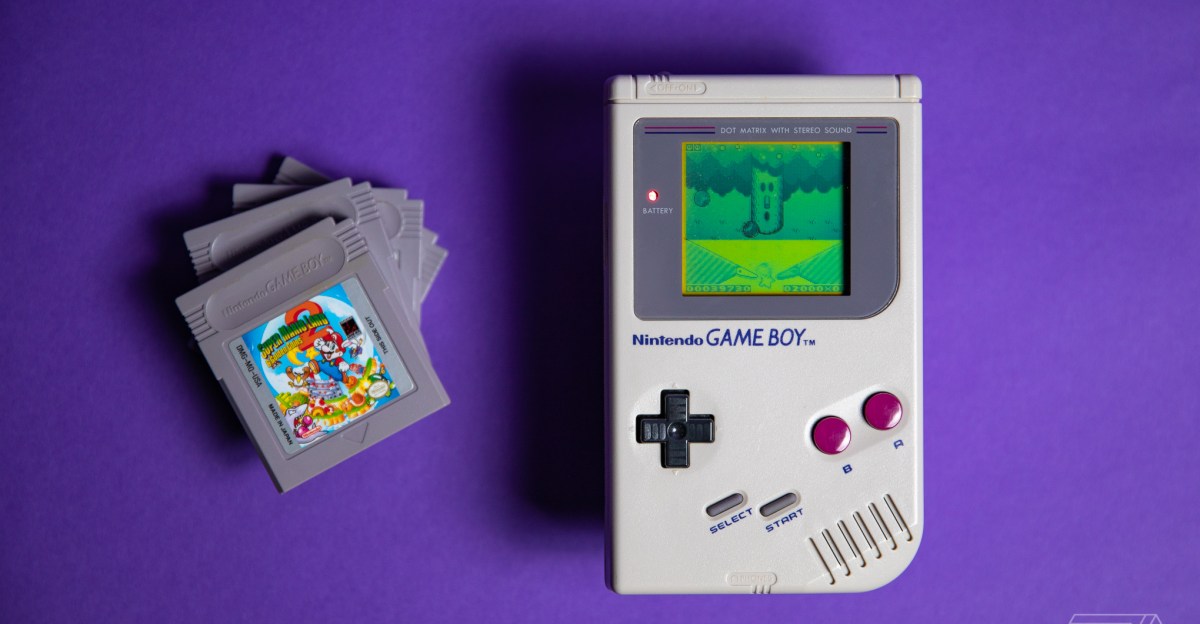
Reviving Gaming Legends: Efforts to Preserve Video Game Heritage
While there are many avenues to enjoy vintage games—through subscription services, comprehensive retro compilations, and upgraded hardware—a significant portion of video game history is perilously close to extinction. Experts estimate that nearly 90% of games from prior to 2010 are in danger of disappearing forever. However, concerted efforts by archivists across the globe are underway to safeguard this digital legacy, with initiatives ranging from museum-led translations of classic games to developers quickly adapting their titles for new platforms in the wake of others closing down.
Innovative Preservation Strategies
The Video Game History Foundation (VGHF) has revealed an online archive, featuring over 30,000 artifacts like rare game magazines and development material, newly available in digital formats. This repository is a treasure trove for enthusiasts and researchers, offering extensive documentation of the gaming industry.
On virtual marketplaces like GOG, fans can now explore survival horror classics resurrected on PC platforms, thanks to dedicated reconstruction efforts. This initiative includes tools such as the 'dreamlist,' where users can nominate which nostalgic titles they wish to see revived next.
Challenges in Preservation
Despite advancements, video game preservation faces legal hurdles, such as a recent ruling against remote access to games no longer sold, complicating the ability of scholars to study these works without extensive travel. The decision underscores the ongoing battle to balance preservation with copyright concerns.
In different sectors, community-led efforts breathe new life into defunct games. Take, for example, the fantasy battle royale game that experienced a revival through a fan-crafted release, demonstrating the enduring passion of gaming communities.
The Business of Nostalgia
Limited Run Games and Konami are collaborating to bring iconic games like Felix the Cat and Sparkster to contemporary consoles. These partnerships highlight a growing trend of repackaging beloved titles with modern distribution in mind, ensuring their stories are passed on to new generations.
Meanwhile, the Digital Eclipse studio continues its mission to create comprehensive game documentaries, weaving interactive experiences like the story of designer Jeff Minter into their narrative-driven projects, further bridging the gap between past and present.
Digital Dichotomies
The fragility of digital ownership is stark, as demonstrated by recent PlayStation developments where consumers faced losing purchased content due to expired licensing agreements. These incidents serve as reminders of the volatile nature of digital media in the gaming world.
Atari's acquisition of Digital Eclipse underscores the corporate belief in the value of gaming history, as they aim to expand their portfolio of preserved classics, enriching them with historical insights reminiscent of the Criterion Collection for films.
Community and Commerce Meet
Events like the Portland Retro Gaming Expo cultivate public engagement with gaming heritage, providing a space where nostalgia and education converge, allowing past generations to pass down knowledge of vintage consoles like the Sega Genesis to the uninitiated.
Future Horizons
As video game archivists continue their mission, they face the dual challenges of digital decay and shifting technological landscapes. Yet, innovative methods and growing public interest suggest that efforts to document and share these digital artifacts will only gain momentum.
The path ahead involves threading the needle between technology and history, ensuring that the cultural impact of these games is neither lost to time nor inaccessible to future players.
Leave a Reply