


Indictment of South Korean President Yoon Suk Yeol on Martial Law Charges
Overview of Charges
South Korean prosecutors have formally charged the impeached President Yoon Suk Yeol with rebellion due to his brief enforcement of martial law. This severe charge, if proven, could lead to either life imprisonment or the death penalty.
Political and Judicial Implications
Yoon Suk Yeol's martial law decree on December 3 led to significant political upheaval and financial instability in South Korea. The international community also viewed the move unfavorably. The Constitutional Court is tasked with deciding whether to confirm Yoon's impeachment or reinstate him.
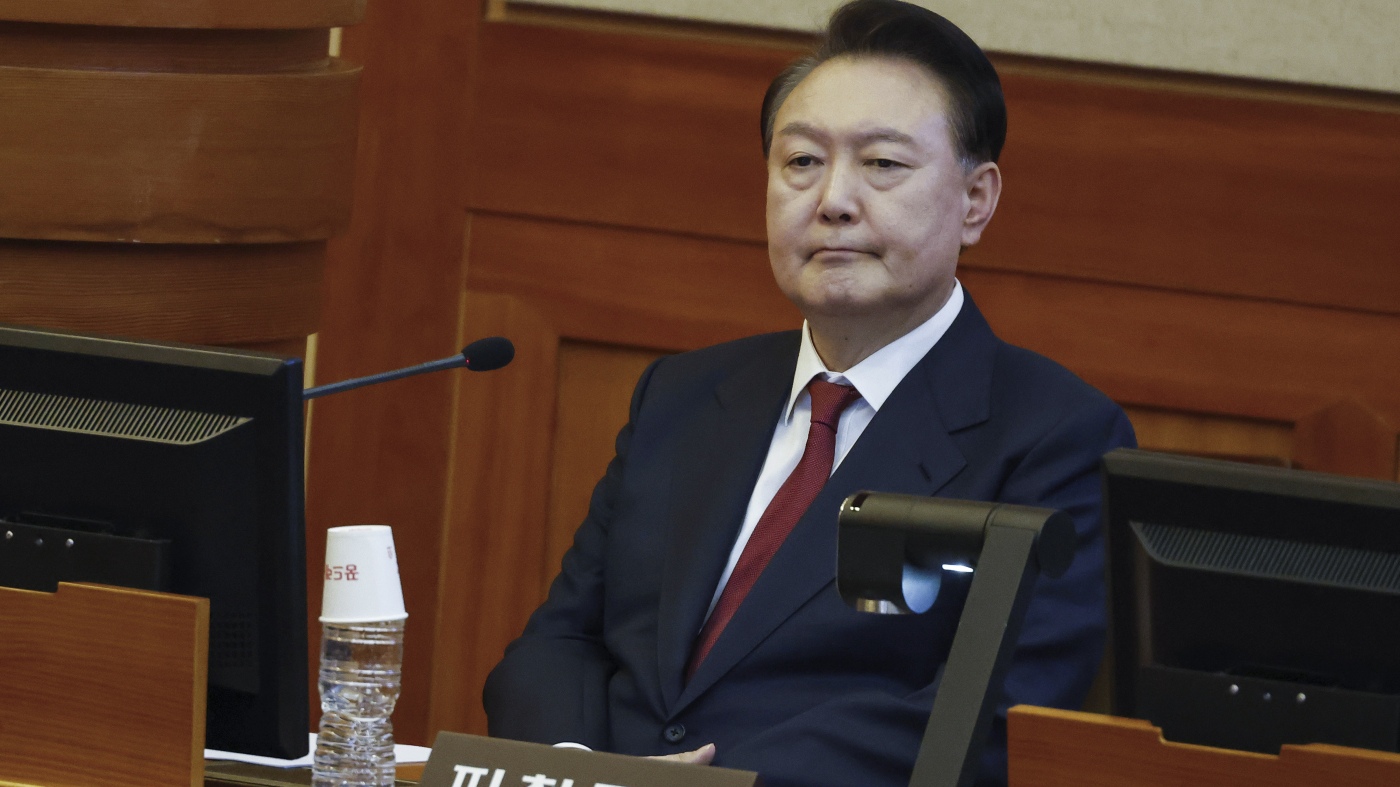
As the first incumbent South Korean president to be indicted, Yoon remains in custody and attends court hearings from detention. These proceedings are expected to stretch over six months.
Controversial Defense Strategy
Prosecutors allege that Yoon orchestrated a rebellion through his martial law declaration, effectively challenging the country's constitutional order. Yoon's legal representatives criticized the indictment, labeling it as a politically motivated act to expedite his removal from office.
"This act will be a blot on the history of South Korean prosecutors," Yoon's attorneys declared, maintaining that a president's authority to declare martial law should not be conflated with rebellion.
Legal Nuances and Presidential Immunity
Although a president typically enjoys immunity from most charges, rebellion and treason are exceptions under South Korean law. The accusation of rebellion subjects Yoon to the possibility of severe legal repercussions.
Yoon, positioning himself as a conservative, has repudiated any allegations of misconduct. He asserts that his martial law declaration was a necessary and justified response to a legislative assembly allegedly controlled by liberal elements that impeded his governance.
Repercussions of Martial Law Declaration
On the day martial law was declared, Yoon deployed military and police forces to the legislative assembly, but lawmakers convened to nullify his decision. The deployment lasted only a few hours, reminiscent of South Korea's former periods of authoritarian rule.
While the South Korean president holds the power to enforce martial law in specific emergencies, experts argue that Yoon's action lacked a valid basis.
Public Response and Escalating Tensions
Investigations of Yoon have aggravated existing national divisions, with protests occurring frequently in central Seoul. These demonstrations underscore the overall tension and political polarization currently gripping the country.
Following an issued arrest warrant by a local court and the resultant extension of Yoon's detention, his supporters rioted, leading to injuries and arrests after clashing with law enforcement.
Investigative Developments
Yoon refused to engage with the Corruption Investigation Office for High-Ranking Officials, claiming it lacked jurisdiction over allegations of rebellion. The case was then transferred to Seoul's prosecutors, who formally charged Yoon with rebellion, noting his immunity from other potential charges.
Several of Yoon's top aides have been detained on charges related to the martial law, posing further challenges to his defense strategy in court.
Potential Consequences and Electoral Prospects
Should the Constitutional Court officially remove Yoon, a presidential election would be required within two months. Current polls suggest tight competition between ruling and opposition party candidates in such a scenario.
Leave a Reply