


Leading Brands Targeted by Phishing Scams and How to Safeguard Yourself
Phishers frequently mimic well-known corporations or products to lure unsuspecting individuals. By pretending to represent a recognized company, they aim to trick users into believing their malicious content is authentic. A recent report sheds light on the brands most frequently imitated, guiding which emails and websites require extra caution.
Most Imitated Brands in Phishing Attempts
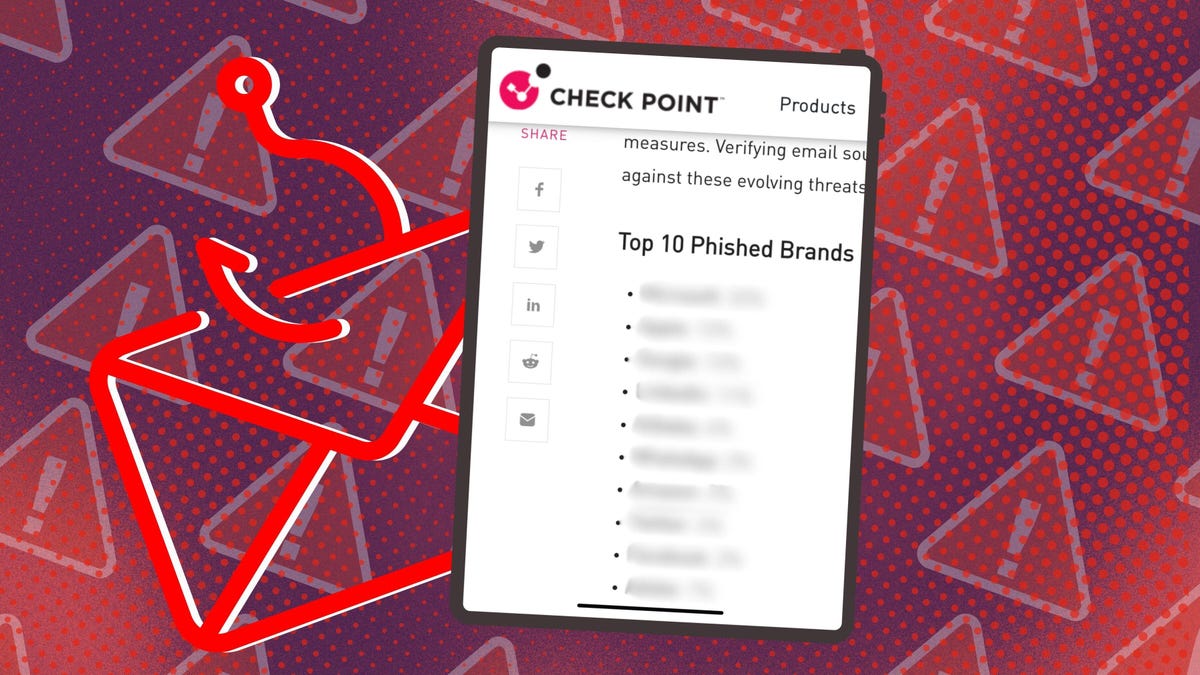
In the last quarter of 2024, Microsoft was the leading brand exploited in phishing, appearing in nearly one-third of detoured attempts documented by Check Point. Apple came second, followed closely by , each manipulated in 12% of cases studied.
Subsequently, LinkedIn was targeted in 11% of incidents, with Alibaba at 4%. Other brands like WhatsApp, Amazon, Twitter, and Facebook each made up 2% of the phishing pool, with Adobe closing the list at 1% involvement.
With the holiday season increasing retail activity, scammers also directed their efforts towards brands in this sector. They engineered fake retail websites, baiting victims with bogus deals to extract sensitive information like passwords.
Throughout this quarter, fraudulent sites like nike-blazers.fr and adidasyeezy.ro duplicated the legitimate websites of Nike and Adidas. Other brands like Lululemon, Hugo Boss, Guess, and Ralph Lauren also fell prey to similar scams.
Check Point highlighted two particularly misleading phishing campaigns in its analysis. One involved a counterfeit PayPal login page seeking users' credentials and financial information. Another campaign reproduced Facebook's login interface to extract account details. Although these fake sites are marked as deceptive now, the risk of phishing remains substantial.
Ways to Shield Yourself from Phishing Schemes
To guard against phishing, Check Point suggests several protective measures.
Their report emphasizes the ongoing nature of phishing threats exploiting prominent brands, highlighting the necessity for enhanced user training and security technologies. They advocate for confirming email authenticity, steering clear of unrecognized links, and activating multi-factor authentication (MFA) to defend against dynamic phishing threats.
Leave a Reply