


Experts Warn Against Ineffective and Risky "Autism Detox" Treatments
There has been a surge in the online promotion of so-called "autism detox" products, which claim to remove toxins and heavy metals to reverse autism.
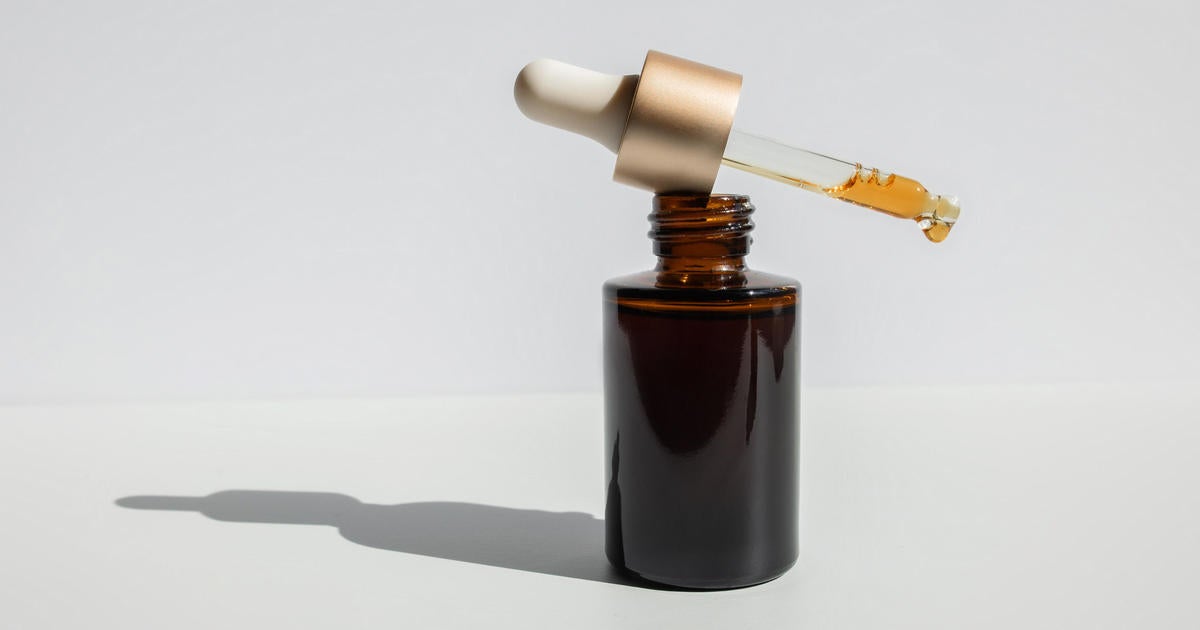
These products, often containing the mineral zeolite, are available in various forms like tinctures and sprays and are primarily targeted at children.
However, the U.S. Food and Drug Administration (FDA) has not sanctioned these detox products for autism treatment and points out that they may pose serious health hazards. Concerns echo in the scientific and medical communities.
Dr. Alycia Halladay from the Autism Science Foundation asserts, "There is no scientific evidence supporting these treatments. Research has debunked the idea that individuals with autism have elevated levels of heavy metals. Parents should refrain from using these zeolite-based detox products."
Despite not needing FDA approval for consumer availability, the FDA has issued warnings to many companies for making baseless claims.
Over a decade ago, the FDA also advised against chelation therapy marketed for autism due to lack of proof in providing any therapeutic benefit.
Understanding Zeolite
Zeolites are minerals predominantly composed of aluminum and silicon, commonly utilized in detergents, water and air purification systems, and even cat litter, as detailed by the Memorial Sloan Kettering Cancer Center.
The center highlights that no human research supports claims that these minerals can treat or cure autism.
Furthermore, some types of zeolite, like the fibrous erionite, have been linked to lung cancer upon inhalation.
Potential Dangers of Autism Detox and Chelation
Aside from being devoid of scientific basis, these products are expensive, noted Dr. Halladay, and can exploit families seeking effective solutions.
Using these detoxes may result in adverse health effects or dangerous interactions with other medications.
Certain types of zeolite have been associated with fibrosis and mesothelioma, posing significant respiratory threats.
The National Institute of Mental Health attempted a study on traditional chelation therapy for autism in 2008 but abandoned it due to its ineffectiveness.
Risks of traditional chelation became evident with the tragic death of a child in 2005, prompting an FDA warning in 2010 about its serious side effects. These include dehydration, kidney damage, and potential fatality.
Proper Support and Medication for Autism
According to Julie Landry, autistic individuals benefit most from tailored support addressing their unique needs rather than a non-existent 'cure.'
Useful support should respect personal experiences, promote self-advocacy, and focus on co-developing strategies for navigating neurotypical settings.
There are FDA-reviewed medications available that can help mitigate symptoms such as aggression and irritability in people with autism.
Therapeutic approaches like behavioral interventions can significantly improve communication abilities, while occupational and speech therapies enhance daily living skills.
These methods are supported by various behavioral and autism advocacy groups.
LaQuista Erinna, a noted autism advocate and therapist, emphasizes consulting with medical professionals about any concerns and warns against unverified claims.
She advises skepticism towards 'remedies' and encourages seeking reliable, peer-reviewed information. While there is no cure for autism, a healthier lifestyle can contribute to better overall outcomes.
Raising Autism Awareness
Sara Moniuszko is a health and lifestyle reporter with CBS News, previously contributing to USA Today’s wellness section. She now covers breaking and trending news for CBS News' HealthWatch.
Leave a Reply