


China Encourages State-Run Entities to Boost Stock Purchases Amid Market Decline
In an effort to support its struggling stock market, China's financial authorities unveiled new strategies urging major state-owned mutual funds and insurance companies to enhance their investments in A-shares.
Boost in Investment from State Insurers
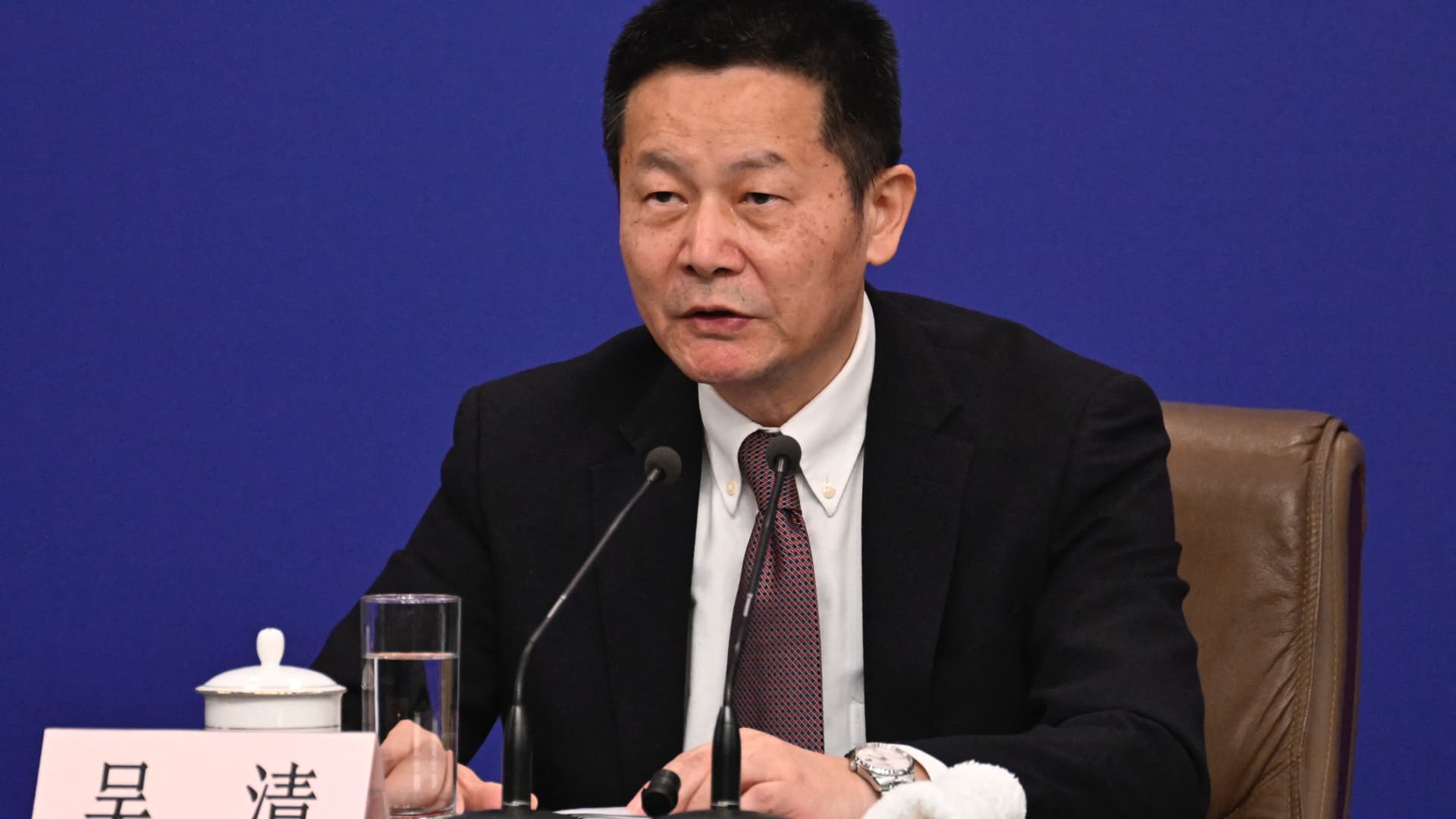
Wu Qing, who leads the China Securities Regulatory Commission, emphasized the need for prominent insurance firms to increase both the amount and the percentage of their investments in domestic stocks. This encouragement comes amidst concerns over the current market instability.
Anticipating positive outcomes, Wu announced the initiation of a pilot scheme expected to launch within the first half of the year. This program is set to mobilize at least 100 billion yuan (approximately $13.75 billion) from insurers towards long-term stock acquisition, with plans to expand the program annually by 'hundreds of billions of yuan.'
Steady Increase in Mutual Fund Investments
In alignment with this strategy, mutual funds are being guided to elevate their share investments in mainland-listed corporations by 10% each year over the next three years, based on market valuation.
Regulatory Push to Stabilize the Market
A draft strategy was initially introduced on Wednesday, advocating for large financial entities, such as pension funds, to invest more in local shares. The directive aims to stabilize the market amidst recent fluctuations, as per a translated statement from China's regulators.
Eugene Hsiao, Macquarie Capital's chief strategist for China equities, notes that increasing institutional holdings helps reduce volatility, thereby fostering a trading climate anchored in market fundamentals.
Potential Benefits for Long-term Investment
Following the downturn in the real estate sector, this measure could lead to more appealing long-term investment opportunities, as noted by Hsiao.
Subsequent to these announcements, the CSI 300 index gained over 1.8%, reducing its annual decline to roughly 2.7%, based on data from LSEG.
Market Setbacks and Investor Reactions
Despite a brief upswing, the CSI 300 ultimately closed the year with a near 12% decrease from its annual peak.
Investors' expectations for an immediate economic recovery have diminished following Beijing's gradual stimulus efforts, prompting a shift towards the relative safety of government bonds and consequently lowering yields.
Central Bank Initiatives
In a move to further support stock market activities, China's central bank rolled out mechanisms to facilitate easier access for brokers and banks to purchase stocks, alongside providing affordable central bank bills to aid in company share purchases and repurchases.
Dividend distributions and share buybacks by Chinese companies hit unprecedented levels last year, according to Wu. He encouraged firms to increase dividend payments in preparation for the upcoming Lunar New Year celebrations.
Dividend Yields and Growth Potential
Wu also pointed out that the current dividend yield of the CSI 300 stands at an impressive 3%, significantly outpacing the 10-year treasury bond yield of 1.671% observed on Thursday.
The recent policy directives are expected to attract substantial investment into undervalued Chinese 'value stocks,' which hold promising growth prospects, as highlighted by UBS's China equity strategist, Lei Meng.
Leave a Reply