


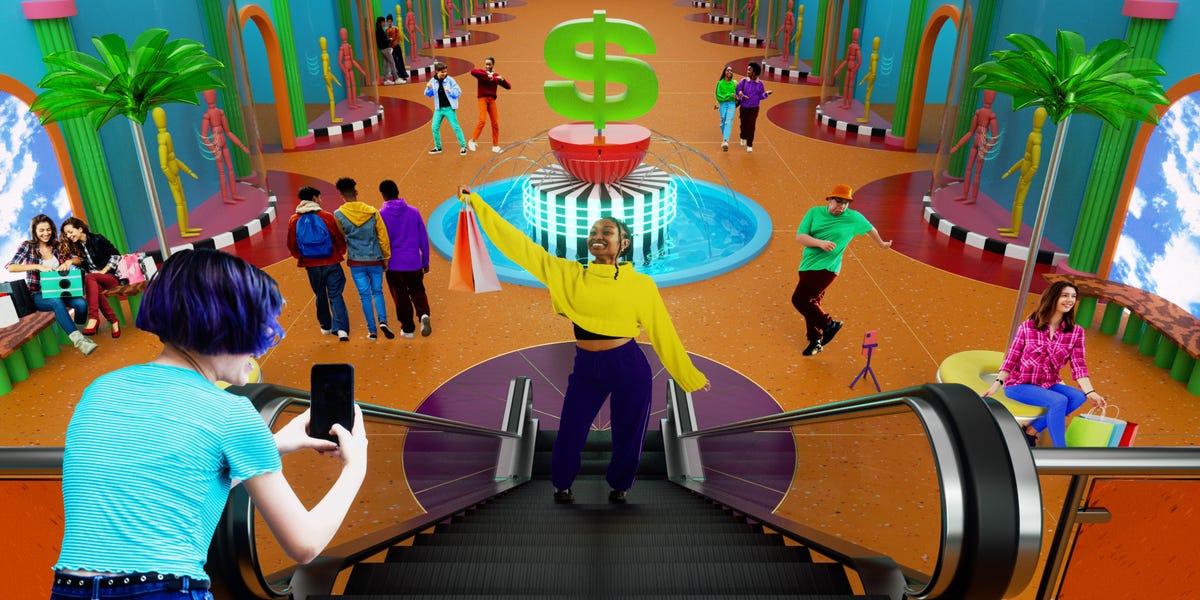
Gen Z's Renewed Love for Shopping Malls
In downtown Miami, David Martin has watched as Brickell City Centre, an open-air shopping hub he helps oversee, becomes a magnet for both teenagers and young professionals. A recent highlight involved Martin chatting with an executive from FP Movement, a segment of the Free People brand, as he toured potential retail spaces.
During the tour, a young man in his twenties passed by, causing the executive to excitedly point out, 'Hey, I recognize him; he's one of our influencers!' This unexpected encounter confirmed the mall's appeal amongst Gen Z, delighting Martin, who thought, 'Alright, mission accomplished. I'll forward you the lease.' Following this, FP Movement inaugurated a shop in Brickell.
This moment underscored a larger phenomenon: against the odds, American malls are making a comeback. Once dismissed due to the rise of online shopping, these shopping centers are now experiencing a renaissance from Arizona to New Jersey. Over the past three years, mall visitations and sales have risen, hitting the lowest vacancy rates in two decades. While older generations may skip the malls, Gen Z and millennials are eager to explore them as the latest trendy spots.
Particularly thriving are luxurious malls like Brickell, which have transformed into more than just stylish venues— they are now central to the social media-driven lives of today's youth. 'What used to be a mundane errand is now a chance to generate content,' according to consumer trends newsletter author, Casey Lewis. The significance of a mall's visual appeal has intensified due to the ongoing social media documentation culture.
Beyond simply capturing moments for Instagram, malls offer young folks a venue to rediscover firsthand experiences lost during pandemic-induced isolation. 'Social media sharpens our tastes, but the mall lets us enact our online personas in real life,' Claire Lee, cofounder of the Zoomer-centric platform Selleb, remarks. Malls now serve as environments to explore personal identities beyond digital screens.
Unique Dining and Experiences Draw Young Crowds
Today's malls differentiate themselves by offering unique experiences, particularly culinary ones. In a shift from the past where chains like Victoria’s Secret dominated, modern malls like those on the West Coast boast enticing options like Din Tai Fung, cherished for its iconic soup dumplings. College student Arden Yum shares that their visit to the South Coast Plaza revolved around this unique dining experience, illustrating the engaging aspect of writing personal mix-sauces and seeking secret recipes.
Yum and friends, seeing the Instagram potential in their meal, made sure to document each dish before indulging. Taking advantage of their time, they also shopped around.
Celebrity Influence and Event-Based Attractions
Celebrity-driven ventures elevate malls as must-visit locales. When YouTuber MrBeast launched his first burger eatery at New Jersey's American Dream megamall, over 10,000 fans queued up, some even camping overnight. This viral attraction provided crucial support for American Dream, which faced challenges shortly after its debut due to the pandemic. Strategically targeting younger shoppers has revitalized the complex, which features an array of attractions from a ski slope to retail spaces.
Physical retail spaces have their essence intertwined with digital realms, according to American Dream's Paul Ghermezian. 'Experiencing things live creates compelling content, merging physical with digital seamlessly,' he comments on the synergistic relationship.
Adapting to Gen Z's Luxury Preferences
Malls are capturing young consumers by offering lavish selections, as Gen Z spends more compared to previous generations. Bain predicts that by 2030, they could contribute to a third of all high-end product purchases. Scottsdale Fashion Square saw a 144% leap in visits after introducing luxury dining and brands aimed at men. According to leasing manager Kim Choukalas, the appeal of buying in person endures due to the immediate satisfaction it provides.
Brickell has successfully combined upscale and accessible brands like FP Movement, providing a balanced shopping experience where luxury and affordable options coexist. Cosmetics remain a staple; Nordstrom's rollout of a youth-oriented beauty section in select locations and Kohl's partnership with Sephora illustrate this enduring trend.
Engaging Activities and Influencer Collaborations
To keep young audiences captivated, malls intensify their event calendars, hosting pop-up chef showcases and rooftop yoga sessions. At larger venues like the Mall of America, there are now live-action game show events.
Influencers play a crucial role in the new mall experience. Simon Property Group harnessed their power, using them to craft social media content with familiar themes, resonating with new audiences. The transformation from bland strip malls to vibrant hubs is evident, as shared by California-based influencer Jenny Duan.
Post-BeastBurger's success, American Dream expands by teaming with content creators like Twitch personalities, marking a shift where the personal engagement of visitors cultivates the most impactful publicity.
Leave a Reply