


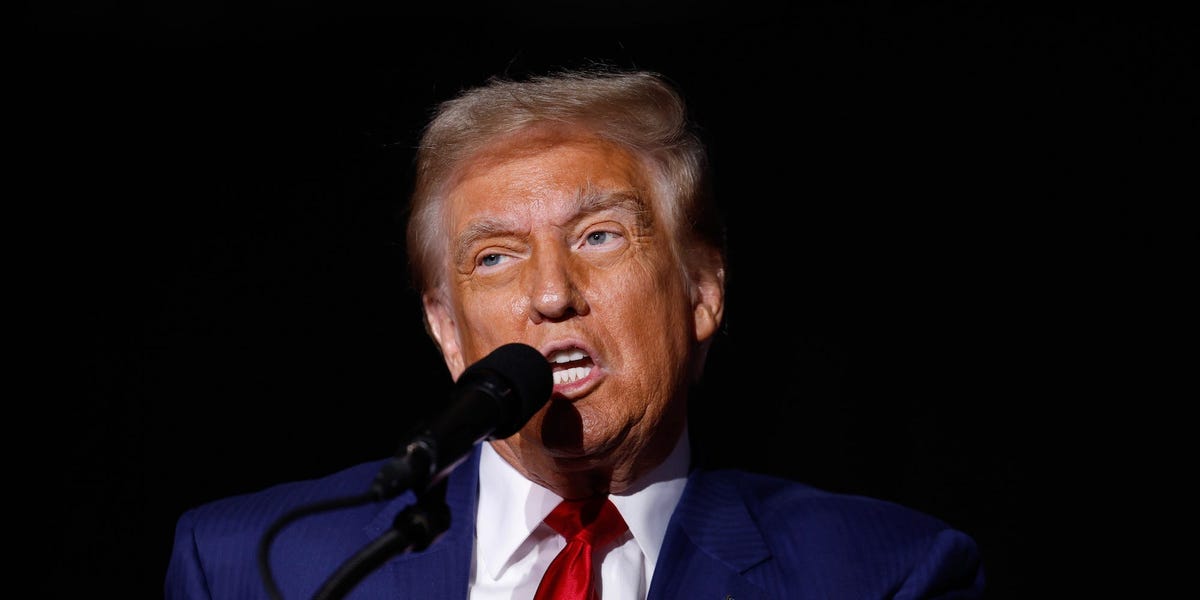
Trump Commits to Immigration Overhaul from Day One
On Inauguration Day, President Trump announced his intention to proclaim a state of emergency at the US-Mexico border, heightening his emphasis on immigration as he embarks on his second term.
Strategies for Border Control
In his address from the Capitol, Trump declared his plan to dispatch military forces to the southern border, describing the situation as a crisis needing immediate action against what he dubbed an 'invasion.' He also stated plans to label cartels as terrorist entities.
Tactics Against Illegal Immigration
Trump committed to halting unauthorized entry without delay and initiating the deportation of individuals with criminal histories back to their countries of origin. He pledged to revive the 'Remain in Mexico' policy, which requires asylum seekers to wait in Mexico while their US immigration cases are processed, and to end catch and release practices.
Policy Implementation Framework
Although Trump has yet to officially endorse any executive orders, his inaugural speech set the stage for his upcoming immigration policy agenda. There is uncertainty surrounding his other immigration proposals, such as ending automatic citizenship for children born to undocumented individuals on US soil.
Economic Implications and Researchers’ Analysis
Throughout his campaign, Trump argued that large-scale deportations could positively affect the US economy by freeing up jobs for native-born citizens and legal immigrants and potentially lowering housing costs. According to the Center for Migration Studies, an estimated 11.7 million undocumented immigrants reside in the US, with about 8.3 million working in various sectors.
Costs and Challenges of Mass Deportation
The notion of mass deportations is criticized for its potential economic downsides. The American Immigration Council estimated a substantial fiscal burden of $315 billion for a massive deportation initiative, factoring in arrests, legal proceedings, and deportations.
Deployment of Military Resources
Trump affirmed plans to use military assets for deportations and considered employing outdated legislation to expel suspected gang and cartel members. Prior to his inauguration, border adviser Tom Homan indicated that deportation raids were planned for cities with high immigrant populations, such as Chicago. However, these initiatives would focus on individuals with criminal records rather than broad neighborhood raids.
Strain on Resources and Legal Obstacles
Tom Homan advised Republican leaders to manage their expectations for deportations due to limited capabilities, citing a need for 100,000 detention beds according to CNN. This adds to existing issues with inadequate space for detainees and anticipated legal challenges to deportation plans.
The administration also plans to collaborate with state and local law enforcement and may expand expedited deportation, bypassing court hearings. Drafting limits on birthright citizenship is also under consideration, with potential measures like denying passports to children born to undocumented parents.
Potential Impact on the Labor Market and Economy
Trump has claimed that immigrants deprive native-born Americans of job opportunities. However, research from the Brookings Institution indicates that deportation efforts could destabilize job markets, as evidenced by past programs like Secure Communities, which left various industries facing labor shortages.
Sectors such as construction are already experiencing a shortage of workers, including those undocumented, which could exacerbate housing shortages. The agricultural industry might also suffer due to reduced labor force, potentially leading to higher consumer prices and decreased food supply.
Financial Contributions of Undocumented Immigrants
Undocumented immigrants contribute significantly to American tax revenue, having paid over $96.7 billion in taxes in 2022 alone, despite being ineligible for benefits from programs like Social Security and Medicare. Some argue these contributions are offset by costs associated with providing social services to undocumented individuals.
Economic research suggests that widespread deportations could adversely affect the US economy, with projections indicating substantial GDP losses if millions are removed.
Leave a Reply