


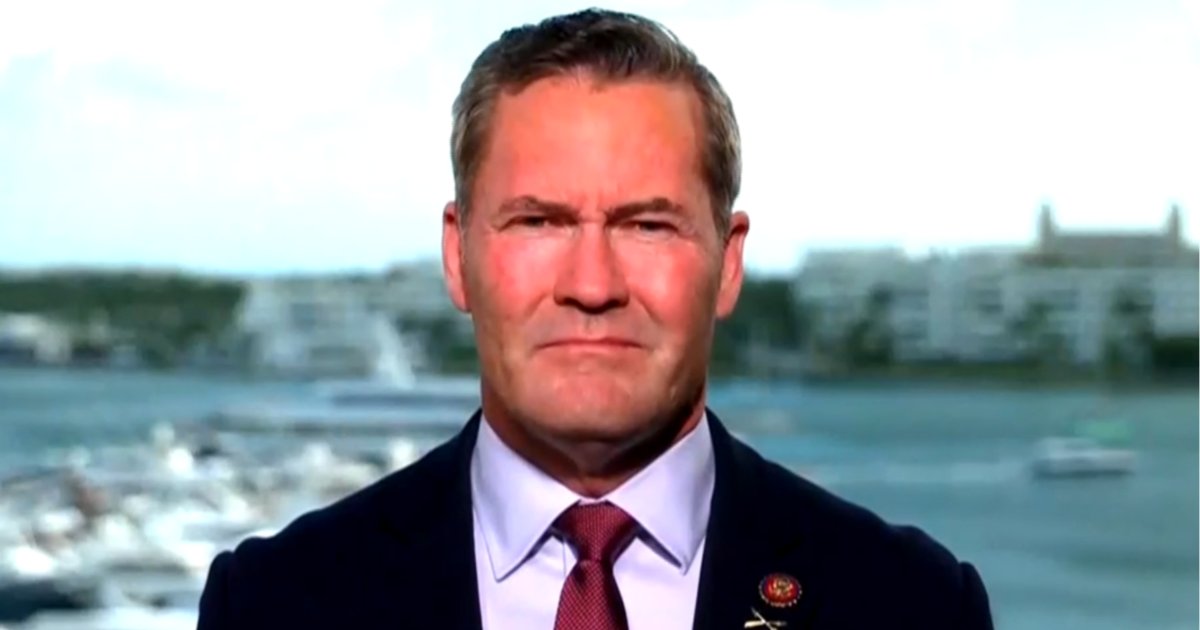
Interview with Incoming National Security Adviser Mike Waltz on 'Face the Nation'
Host Margaret Brennan welcomed Congressman Mike Waltz, soon to be President-elect Donald Trump's National Security Adviser. She quickly addressed the situation regarding American hostages in Gaza, confirming the need for the Trump administration to ensure their rescue, as three remain captive under perilous conditions.
Waltz stated that the negotiations originated under Biden's leadership, with Trump's team, especially Middle East envoy Steve Witkoff, building upon them. The current deal prioritizes the release of women, the elderly, and those in poor health. Among those awaiting liberation in a second phase is an American-Israeli soldier, Edan Alexander. Waltz expressed confidence that the Trump administration's involvement was pivotal to the progress made.
Discussing Israel's role, Waltz emphasized unwavering support against Hamas's persistence, describing the group as the region's brutalizing force akin to other infamous terrorist organizations. The expectation is clear: Hamas must never rule Gaza again.
Turning to the prospect of Israel-Saudi Arabia relations, Brennan inquired whether Trump's stance on Middle East peace includes backing a two-state solution, as Saudi Arabia predicates its cooperation on the recognition of a Palestinian state.
Waltz detailed that while Trump's original plan for the region included provisions for a two-state pathway, progress depends on significant diplomatic efforts and structural reforms, chiefly the cessation of youth radicalization. He anticipated advancements in the Abraham Accords as crucial, with a potential Israel-Saudi agreement marking a substantial diplomatic victory.
Brennan prompted Waltz on Trump's policy initiatives expected early in his term, probing executive actions on border security and other key issues.
Waltz confirmed aggressive action at the border, emphasizing a mandate to combat dangerous cartels with the potential for designating them as terrorist organizations. This underscores the administration's proactive stance on ensuring national security.
On the subject of immigration enforcement and deportation, Waltz hinted at strategic partnerships with other nations to accommodate deported individuals, addressing logistical challenges amid strict immigration controls.
The conversation shifted to China, highlighting the diplomatic interest displayed by Xi Jinping's outreach. Brennan questioned how the administration plans to manage this relationship amid pervasive infrastructure security concerns attributed to Chinese cyber activities.
Waltz recognized the complexities of negotiating with China, indicating Trump's strategy involves establishing high-level communications to resolve critical issues like fentanyl trafficking and economic stability across contested regions.
Brennan pushed for clarity on cybersecurity threats, pressing if existing sanctions against China would remain and what future actions might involve. Waltz emphasized defensive and offensive recalibrations to counter cyber threats effectively.
Lastly, the discussion touched on the ongoing conflict in Ukraine, with Waltz revealing Trump's determined efforts to expedite peace proceedings. The approach would involve engaging key stakeholders, including Ukraine and Russia, to outline a potential resolution framework.
Leave a Reply