


Struggle for Justice: Shiloh Community's Plea
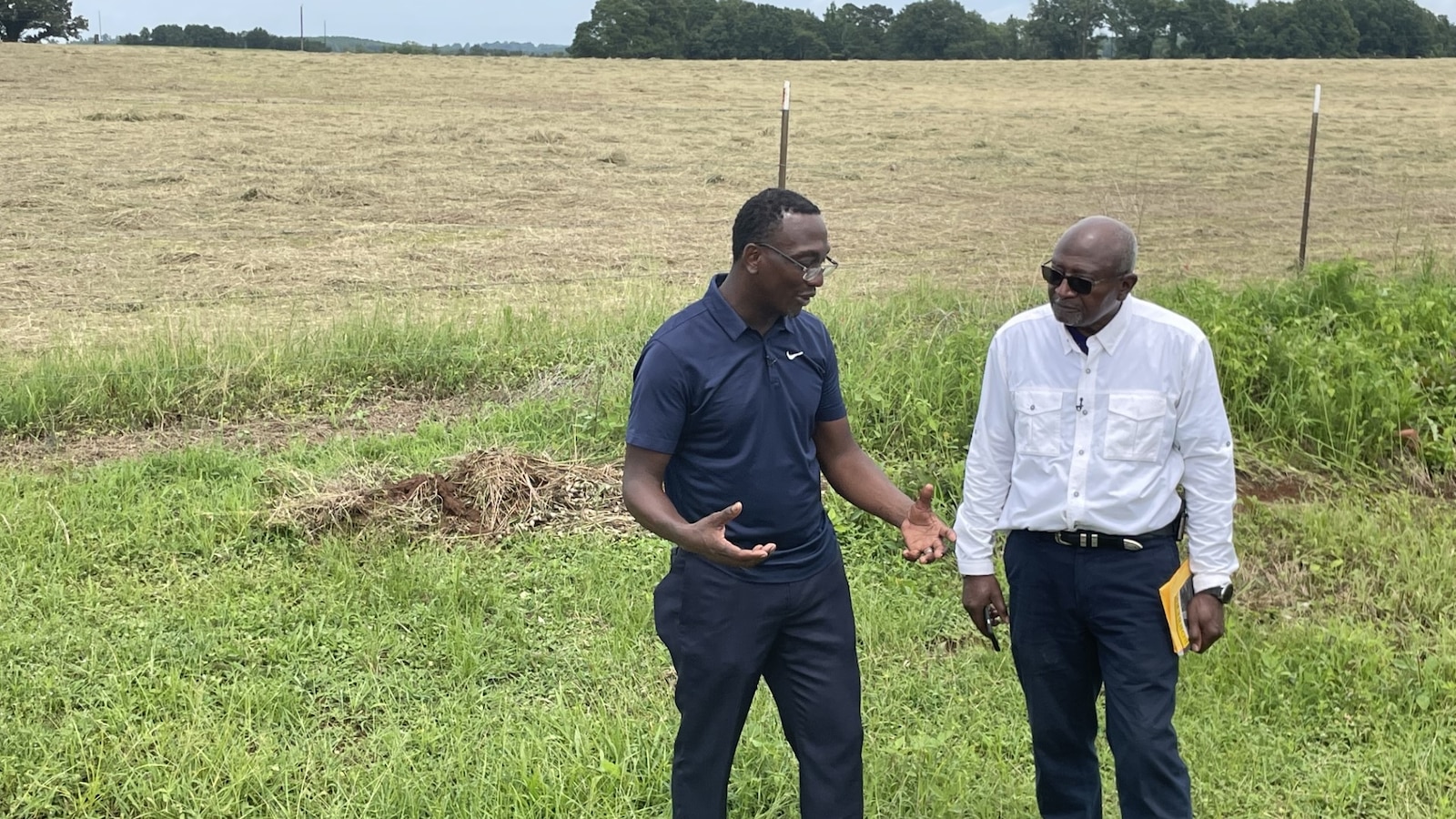
Residents of a rural Alabama community, Shiloh, gather at a distant congregation in Ohio, singing harmoniously of their enduring patience. Among them, Timothy Williams, a pastor and businessman, is all too familiar with prolonged waiting.
After spending six years under two different presidential tenures without resolution, Williams and his fellow residents of Shiloh, a primarily Black community, demand actions from state and federal bodies regarding property damage caused by persistent flooding.
The ongoing delay has left these residents feeling anxious as they watch the end of President Biden's administration approach. The project's widening of a nearby highway by the Alabama Department of Transportation (ALDOT) in 2018 is believed to have exacerbated the flooding issues.
Federal Inquiry and Uncertain Outcomes
Upon denial of responsibility by the state, the community sought assistance from the federal sphere. In late 2022, the Federal Highway Administration began an inquiry but, nearly a year later, the issue remains unresolved. Residents now aim their advocacy toward U.S. Transportation Secretary Pete Buttigieg.
Their hopes soared when Buttigieg visited their historic locale to observe firsthand the drainage impacts from the highway's expansion. He assured them of Washington's commitment to remedying the situation.
While initial optimism surrounded the federal investigation's conclusion, the resultant agreement fell short. It obligated the state to future flood prevention measures in Shiloh, yet neglected to address extant damage and failed to establish accountability.
A Call for Concrete Commitments
Williams urges Buttigieg to establish a binding agreement that would ensure Shiloh residents receive reparations for their homes and properties. Despite efforts, federal representatives claim such directives cannot be fulfilled without Congressional authorization.
Flood-related issues affect numerous facets such as transportation, housing, and environment, involving various federal departments. Thus, a collaborative governmental approach is deemed essential to access appropriate aid.
Furthermore, the Environmental Protection Agency made funding options and technical support available, while Shiloh residents applied for an associated grant.
Advocacy Extends Beyond Borders
Faced with bureaucratic hurdles and recurrent deluges devastating homes, Shiloh leaders have abandoned a passive stance, taking their petitions to centers of political power.
Traveling far to Cleveland, Ohio, Williams and his supporters, including environmental advocate Dr. Robert Bullard, gathered as Buttigieg expounded on the necessity of rectifying inequities in infrastructure.
Buttigieg's remarks underscored a transformation from historical disparities to a more connected future. Yet, actionable plans for Shiloh remain elusive.
Pursuing Resolution with Tenacity
As federal discussions linger, Shiloh's residents are emboldened to demand justice. A petition signed by thousands calls for federal action to compensate for damages.
Determined, the group proceeded to Washington, D.C., aiming to present their petition directly to Buttigieg's office before the administration changes.
Expressing hope for a triumph over adversity, Ben Jealous, from the Sierra Club, condemned poor transportation planning that transformed their community into a floodplain.
As Shiloh's historical roots face threats from continuous water damage and delayed political action, advocates like Bullard emphasize it's imperative for federal intervention to prevent transitioning grievances into another administration.
Leave a Reply