


The Impact of Trump's Male Voter Base on Political Dynamics
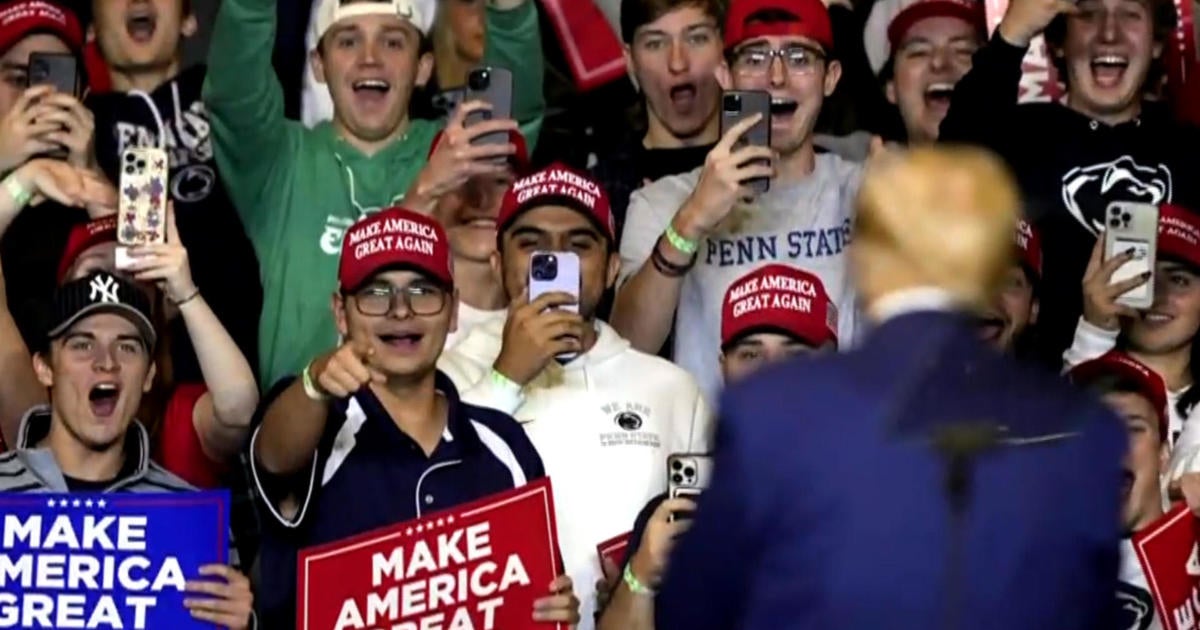
With Donald Trump set to enter the Oval Office once more, there is considerable attention on his improved backing among male voters. His traction with younger and Latino men hints at a growing dissatisfaction with the Democratic Party's stance on issues impacting men.
In the 2024 presidential race, much focus was put on securing the female vote. Vice President Kamala Harris, vying to make history as the first woman president, was supported by numerous prominent women.
Nonetheless, it became evident that male voters had their own compelling reasons to participate in the election.
Trump's Connection with Male Issues
Richard Reeves, a key researcher at the Brookings Institution and author of 'Of Boys and Men,' interprets this support as part of larger trends among men.
Reeves argues that many men perceive the progressive agenda, focused on women's advancement, as sidelining or even disparaging men's issues — leading to growing resentment.
He further sheds light on pressing concerns like stagnant earnings and the higher rates of suicide and overdose deaths among men.
Reeves criticizes the center-left's failure to openly discuss male mental health, employment, and wages, asserting that this has opened a significant gap in cultural and political discourse.
This gap, he notes, has been effectively addressed by Republicans, who have capitalized on male-centric social media platforms to resonate with men, leveraging outlets like 'The Joe Rogan Experience' podcast.
Contrasting Approaches to Male Voters
The right, according to conservative voices, has addressed the concerns central to male identity, as exemplified in dialogues between Trump and commentators.
Trump's straightforward outreach to men was seen as a direct attempt to earn their votes, which some conservatives argue has been lacking on the left.
Faiz Shakir, an advisor to Senator Bernie Sanders, acknowledges the GOP's success in male voter engagement, while noting that the current administration’s focus on infrastructure has been advantageous for men. He predicts Trump might claim these achievements.
As we move closer to the next election, the ideological divide regarding men's roles in society remains a pivotal aspect of political strategy.
Reeves cautions against simplistic narratives that assign blame, highlighting that the challenges men face are not solely the result of feminist movements.
He stresses the need for nuanced discussions, warning against views that assume men cannot have problems because they are perceived as the source of societal issues.
Leave a Reply