


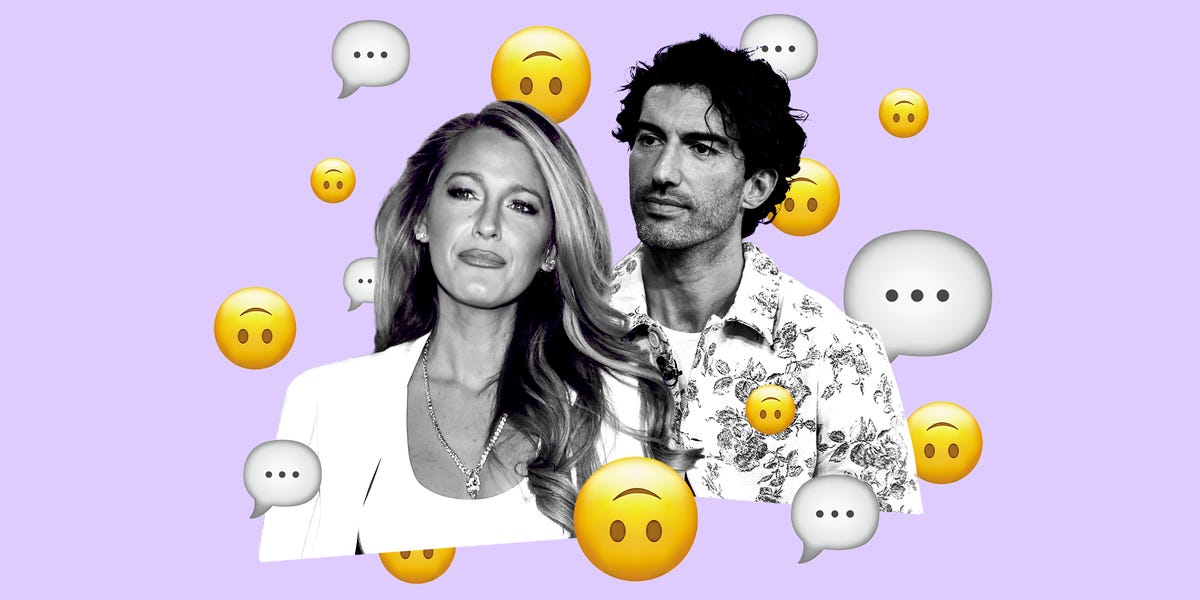
The Role of an Emoji in Justin Baldoni's Legal Dispute with the New York Times
A central, intriguing aspect of the ongoing legal clash between Justin Baldoni and the New York Times concerns a seemingly simple emoji.
Justin Baldoni's lawsuit targets the New York Times for allegedly omitting an important upside-down smile emoji from a quotation, significantly altering its intended meaning.
The contested quote, delivered by Jennifer Abel, Baldoni's publicist, states "Wow. You truly surpassed expectations with this article," directed at crisis expert Melissa Nathan. Without the context of the emoji, the statement might appear complimentary about a piece criticizing Blake Lively.
Baldoni argues that the missing upside-down smiley emoji was meant to signal sarcasm, thereby changing the tone entirely.
This has sparked a larger discussion on modern communication, as Dr. Monica Riordan from Chatham University notes the crucial role of emojis in conveying nuanced meanings.
Riordan asserts, "Including the emoji is paramount; omitting it alters the message's intended meaning significantly." Yet, some commentators doubt this will bolster Baldoni's legal position sufficiently.
The Evolution and Importance of Emojis
Emerging in the late '90s in Japan as part of a mobile internet platform, emojis have since become a staple in digital communication worldwide.
Since Apple's introduction of an emoji keyboard in 2011, they have regularly updated the selection, reflecting emojis' growing importance in digital interactions.
Decoding Emojis: Body Language in Digital Form
Vyvyan Evans, a linguistic expert, equates emojis' role in digital conversations to that of body language and vocal inflection in real life, setting conversational tones akin to facial expressions or gestures.
The omission of an emoji like the upside-down smiley profoundly alters a sentence's meaning, paralleling a shift in vocal expressions or eye-rolling gestures.
Nevertheless, emojis carry a layer of complexity beyond voice tones. Unlike standard expressions such as a smile or frown, emojis hold subjective interpretations, varying across generations and cultures, as Riordan explains.
Close relationships might develop unique patterns for emoji usage, leading to potential misunderstandings outside those circles.
Legal and Ethical Considerations
The ambiguous nature of emojis presents a challenge in legal contexts. Sean Andrade, a lawyer experienced in libel cases, suggests that disregarding emoji context might be ethically questionable but doubts its capacity to overturn allegations against Baldoni.
While Baldoni might argue the omission distorts intent, proving this conclusively in court remains a daunting task, according to Riordan. Opinions diverge on whether quoting emojis is essential for accurate communication.
Regardless of the outcome, this issue highlights the potential risks journalism faces when excluding elements like emojis that could potentially alter a story's tone or meaning.
Vyvyan Evans cautions journalists that omitting such digital cues risks misinformation, intentionally or otherwise, emphasizing the value of the original communicative intent.
Leave a Reply