


A Respiratory Virus Emerges in China: Understanding Why It's Not the Next COVID-19
After five years since COVID-19 appeared in Wuhan, another spike in respiratory infections is observed in China, primarily affecting children.
According to the Chinese CDC, there was a surge in human metapneumovirus (HMPV) cases, particularly in Northern China and among kids younger than 14, during the last week of December 2024.
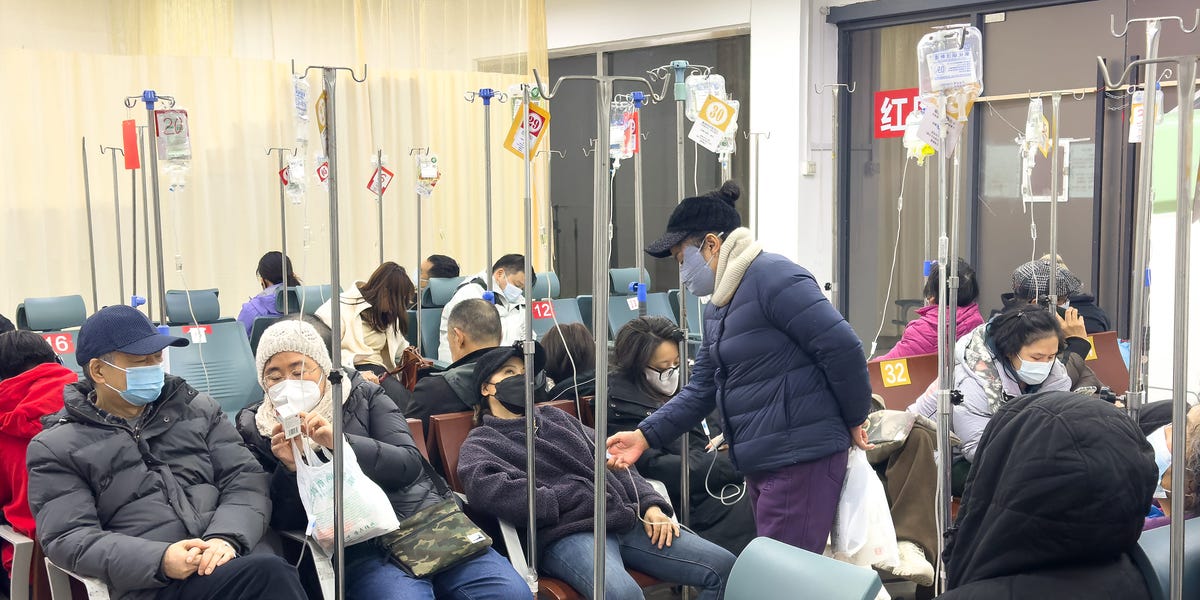
Images of busy Chinese hospitals evoke memories of the early COVID-19 days, causing heightened concerns about potential lockdowns and pandemics.
However, HMPV is unlikely to create a crisis like COVID-19, as it is a well-known virus with widespread existing immunity among people.
Milder Symptoms Typically Resolved Without Intervention
Symptoms of HMPV, such as coughs, wheezes, runny noses, and sore throats, resolve themselves usually within three to six days. It can escalate to bronchitis or pneumonia, especially in very young children, seniors, and those with weakened immune systems. It's most prevalent in cool weather.
Most get exposed to HMPV by age five, making it potentially more severe at initial exposure due to lack of immunity. Re-infections tend to be milder as partial immunity develops.
Transmission occurs by direct contact or touching infected surfaces, or through respiratory droplets via coughing and sneezing.
Although there isn't a cure for HMPV, serious cases might necessitate oxygen therapy or antibiotics to tackle secondary infections. Vaccines are under research.
The Historical Context of HMPV vs. Novelty of COVID-19
First identified in the Netherlands in 2001, HMPV has been in human circulation for decades, unlike the novel coronavirus of 2019.
Jill Carr, a virologist, highlighted how COVID-19's emergence from animal to human transmission led to its pandemic spread, a condition absent with HMPV due to existing human exposure.
Experts have substantial knowledge regarding HMPV's transmission and effects, and there are reliable tests for diagnosis.
Despite potential for serious illness, the current health system challenges due to HMPV in China don't echo the initial threats of COVID-19.
Not an Immediate Emergency, Says WHO
The WHO considers the current surge in respiratory diseases, including HMPV, as expected for this time of year, noting the flu activity now is lower than the previous year.
The Chinese CDC recommended preventive measures including maintaining hygiene, using masks, and proper cough etiquette to mitigate spread.
Official statements have downplayed fears of an overwhelming health crisis akin to a pandemic, suggesting less severe diseases compared to past years.
Enhanced Surveillance: A Priority for China
Vasso Apostolopoulos, a professor of immunology, emphasized the urgency for strong monitoring systems in crowded areas like China to prevent health crises.
Effective tracking and strategic responses are vital to mitigating the risks posed by the rise in cases.
Leave a Reply