


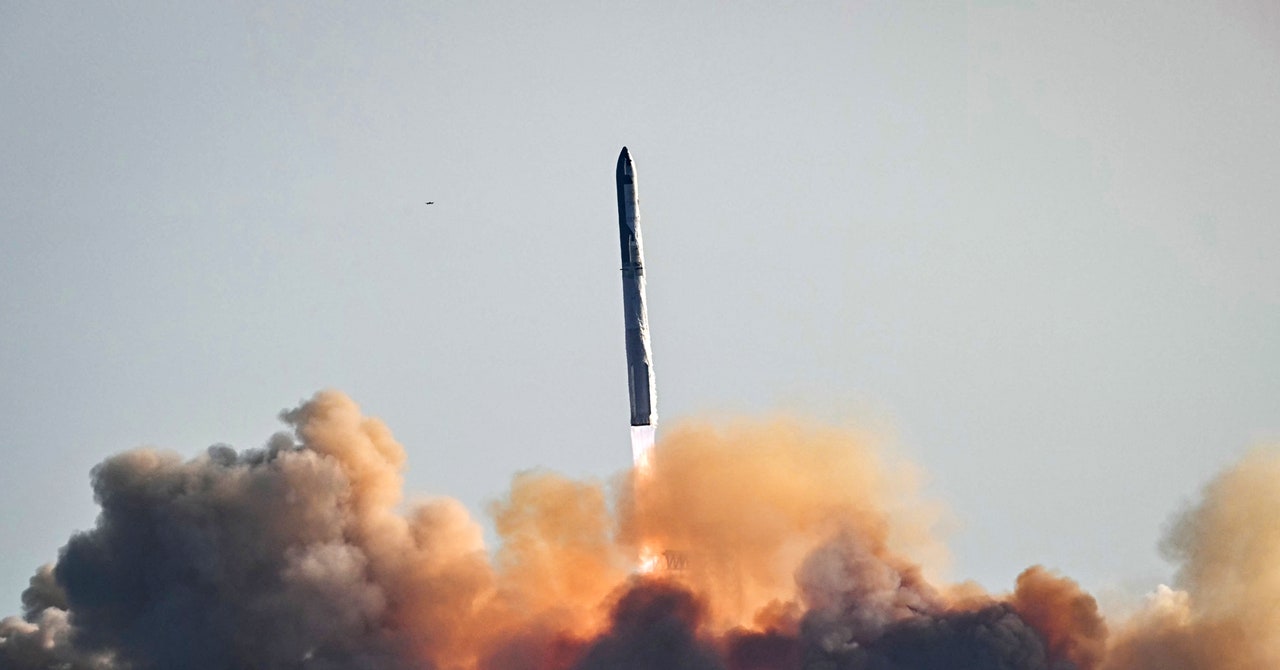
Elon Musk Challenges NASA’s Lunar Goals: 'Mars is Our Destination'
Known for his bold statements on X (formerly Twitter), SpaceX's founder Elon Musk has generally held back his opinions on U.S. space strategies until recently.
Musk has seldom openly criticized NASA's initiative to bring humanity back to the moon via the Artemis project. Despite his advocacy for Mars colonization, he has largely supported NASA's lunar missions.
This alignment with NASA makes financial sense, given SpaceX's significant contracts to construct a lunar landing system under Artemis and provide supplies to the future Lunar Gateway.
However, Musk has privately expressed discontent, labeling the Artemis venture as sluggish and overly dependent on contractors who prefer cost-plus deals over achieving concrete results.
Breaking Silence on Policy
In recent days, Musk has started voicing these concerns openly. On Christmas, he stated, "The Artemis framework is grossly inefficient, prioritizing employment over outcomes. A new direction is crucial."
Subsequently, he declared, "We're heading straight to Mars. The moon is merely a diversion."
Musk's statements contradict NASA's roadmap to dispatch several crews to the moon's south pole, aiming to set up a sustainable base via the Artemis project this coming decade.
These aren't mere personal opinions; Musk plays a significant advisory role in space policy for the U.S., attributed to his influence in the Trump administration's formation and the suggestion of Jared Isaacman as a potential NASA leader. While he's not dictating national space policy, Musk's opinions carry weight.
Implications for the Artemis Mission
Artemis's future is critical not only to NASA but also to the commercial space sector in the U.S., the European Space Agency, and various international players. The U.S. is in a space race with China to establish a significant presence on the lunar surface through this program.
Conversations with Trump administration space policy developers suggest many share Musk's view that the Artemis program requires reform due to its inefficiency.
Yet, it seems improbable that the Artemis project will be abandoned. Initiated in the first Trump term, significant reforms have been challenging due to support from key Senators for existing contractors like Boeing and Lockheed Martin.
As pressure mounts for change, NASA may face a shift, driven by the success of private ventures like SpaceX's Starship and Blue Origin's New Glenn rockets, which surpass the existing Space Launch System.
Dual Path Forward
It is plausible that NASA might pursue both lunar and Martian objectives. Musk's statement about going directly to Mars could refer primarily to SpaceX's ambitions, with NASA's support. Concurrently, another initiative, possibly spearheaded by Blue Origin, could lead lunar missions.
Jared Isaacman, though quiet on these statements, emphasized in his nomination acceptance that America should not relinquish its space exploration capabilities.
Isaacman promised new feats in space exploration, inspiring future generations to aim high by setting goals for lunar and Martian expeditions.
Overall, NASA is poised to adopt a dual-track approach towards both the moon and Mars. Whether it succeeds is a question that will closely follow the new administration's policies.
Leave a Reply