


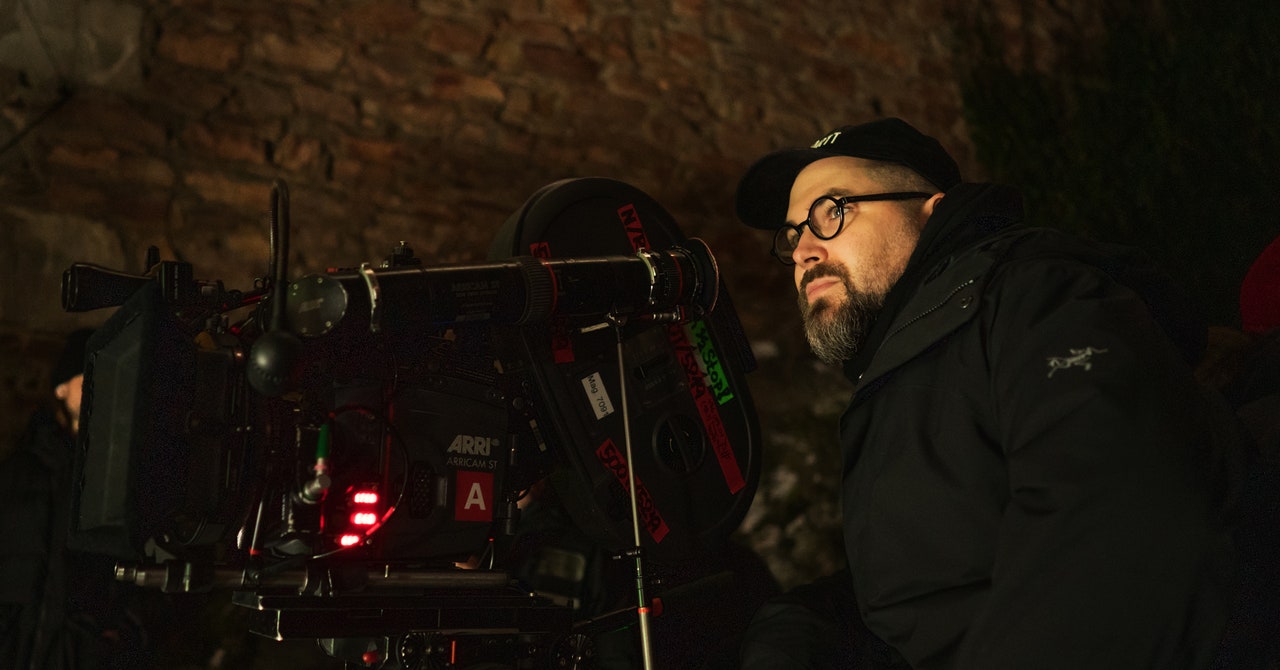
Reviving Nosferatu: A Fresh Look at the Vampire Legacy
Vampires have long been a staple in the world of pop culture, constantly making comebacks as filmmakers and writers explore their potential afresh. Despite the oversaturation of vampiric narratives, Robert Eggers seeks to distinguish his version by returning to more archaic myths.
The Timeless Dance of Vampires
From the shadowy allure of Francis Ford Coppola's films to Anne Rice’s ethereal novels, vampires have perpetually lingered in the public eye. Robert Eggers' new project aims to be a standout by revisiting the eerie aesthetic and mysterious narratives inspired by those early tales, specifically drawing from F. W. Murnau’s German Expressionist film, Nosferatu.
A Tribute to Past Influences
Eggers’ rendition holds dear its predecessors, utilizing elements from Dracula and its countless iterations while seeking novel directions. By combining past influences with fresh takes on puritanical ideologies and explorations of mortality and seduction, Eggers crafts a film that continues the much-loved vampire saga with a distinct touch.
Homage Or Infringement?
The origins of Nosferatu exhibit tales of creative liberty and legal battles. Initially, Murnau's expressionist masterpiece faced extinction at the hands of Stoker's estate due to copyright issues, yet its American journey ensured its survival, eventually introducing the vampire legend into Eggers' childhood experiences through its haunting depiction.
Childhood Encounters with Vampires
Eggers’ fascination with vampires dates back to his youth, where they loomed large in his imagination. Despite his initial fears of witches, vampires captivated him; they embodied themes of forbidden desires and death long before he fully understood their complexities.
Reimagining Nosferatu
A worn VHS copy of Nosferatu captivated the young Eggers, its degraded visuals enhancing its haunting ambiance. This early exposure nurtured his appreciation for the film’s gothic simplicity, diverging from the elaborate Victorian elements which characterized Stoker’s narrative.
The Intersection of Styles
While Nosferatu strayed from Victorian norms, opting instead for the romanticism of earlier eras, Eggers sees the value in blending styles; he references films beyond the vampiric genre to create a mosaic that demonstrates reverence for history while exploring uncharted waters.
Rediscovering Ancient Myths
Striving for originality, Eggers draws from Balkan and Slavic folklore, where vampires differ from the bloodsuckers we know. These creatures often killed by strangulation or through lethal love-making, providing Eggers with a cultural framework of more relatable fears rooted in real human experience.
Merging Tradition with Innovation
The film employs practical effects rather than relying on CGI, striving to maintain the authenticity while enhancing the supernatural elements discreetly. Eggers’ effort to integrate folklore into a tangible narrative enriches the legendary tales and keeps them relevant in the modern age.
Thus, Robert Eggers’ vision of Nosferatu stands as a testament to the continuous evolution of vampire tales, honoring their origins while offering fresh perspectives that ensure their longevity.
Leave a Reply