


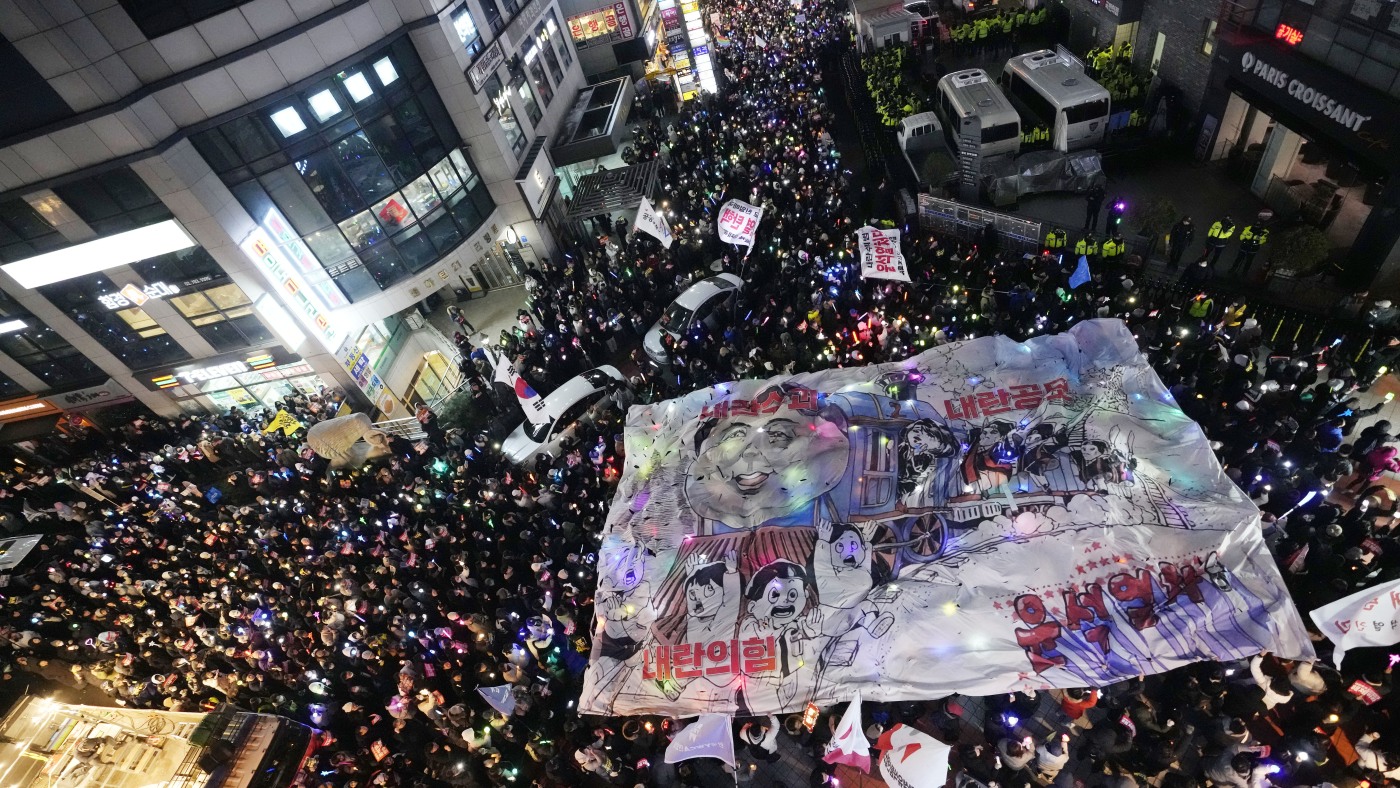
Impeachment Proceedings for South Korean President Yoon Over Martial Law
The parliament of South Korea has proceeded with a vote to impeach President Yoon Suk Yeol, who is facing accusations of rebellion related to a controversial martial law order dated December 3, which has shaken the nation's political landscape.
In a legislative meeting, 204 lawmakers voted in favor while 85 opposed the motion. Once the impeachment documents are served to President Yoon and the Constitutional Court, his presidential functions will be temporarily halted.
The Constitutional Court is tasked with delivering a verdict within 180 days, deciding whether to permanently remove Yoon from office or reinstate his authority. Should he be ousted, a nationwide election to choose his successor must be conducted within a two-month timeframe.
Background and Political Tensions
This marks the second impeachment attempt; the first vote failed when the majority in Yoon's ruling party, the People Power Party, abstained. Since then, several party members have pledged to support the impeachment amid growing protests and declining approval for Yoon.
For weeks, large gatherings have occurred in Seoul, with demonstrators calling for Yoon's removal and legal action against him. These demonstrations have been marked by chants, performances, and displays of symbolic imagery, though conservative supporters of Yoon have rallied in opposition.
Martial Law and its Ramifications
Yoon's imposition of martial law was the country's first in more than 40 years and lasted merely six hours. This short-lived decree disrupted political processes, paused diplomatic engagements, and unsettled the nation's financial markets before the parliament annulled it.
During the martial law period, military and police forces were sent to the parliament to halt its vote on the decree, but they retreated without significant conflict after facing legislative opposition.
Allegations and Legal Challenges
Opposition factions and legal experts accuse Yoon of rebellion, citing his actions as attempts to destabilize the constitutional order, which falls under serious criminal charges.
The impeachment document outlines accusations that Yoon's actions disrupted national peace and constituted a threat to the parliamentary and public safety, thus infringing upon the constitution.
In a recent speech, Yoon dismissed the allegations, framing his decision to declare martial law as necessary governance. He positioned the opposition party as disruptors of governance, accusing them of undermining fiscal policy and misusing legislative power.
The Democratic Party, critical of Yoon's speech, rebuked it as a direct affront to the citizenry, signaling political aggression.
Legal and Political Implications
As Yoon remains in South Korea due to legal restrictions amidst ongoing investigations, key figures like his defense minister and police leaders have already been detained. These proceedings may lead to severe penalties, including imprisonment or even capital punishment for rebellion.
Despite possessing presidential immunity, Yoon could still face judgment due to the gravity of rebellion charges. However, many believe authorities may refrain from arresting him to avoid potential confrontations with his security team.
Leave a Reply