


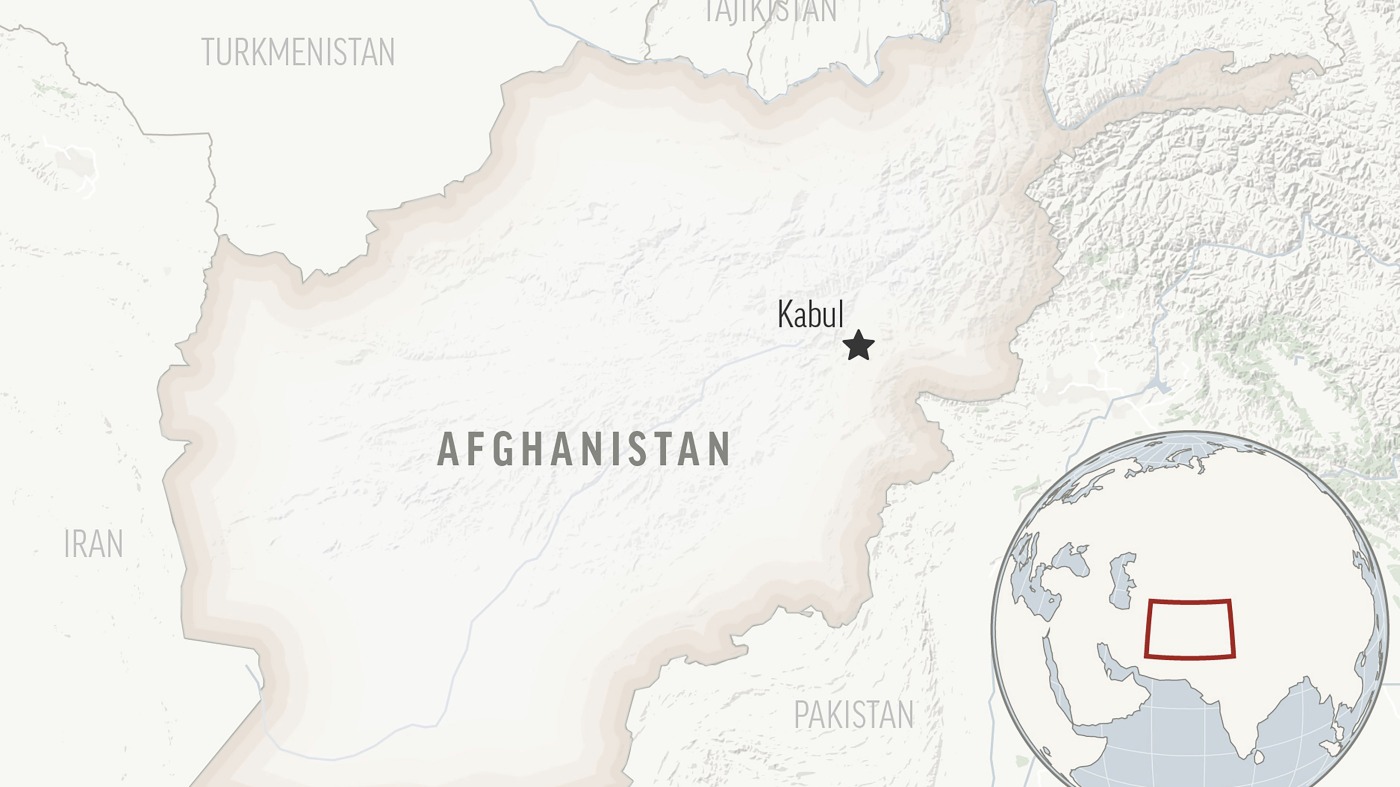
Taliban Refugee Minister Killed in Kabul Blast
A deadly suicide bombing rocked Kabul on Wednesday, claiming the life of the Taliban’s refugee minister, Khalil Haqqani, along with two other individuals. This attack marks a significant breach, being the most direct assault on a high-ranking member of the Taliban since their resurgence to power three years prior.
The explosion occurred within the ministerial complex. Khalil Haqqani’s last appearance was recorded in a meeting headed by the deputy prime minister, Mullah Abdul Ghani Baradar, earlier that day.
Khalil Haqqani held a pivotal role within the Taliban hierarchy, being the uncle of Sirajuddin Haqqani, the acting interior minister and leader of a powerful Taliban faction.
Haqqani's death is the most prominent one since the Taliban’s return this past August. It’s also noteworthy as he is the first cabinet member to die since the takeover, and responsibility for this act has not been claimed.
According to Zabihullah Mujahid, the main government spokesperson, Haqqani was a dedicated fighter for their cause, and his loss is profoundly felt.
Expert Michael Kugelman from the Wilson Center’s South Asia Institute commented on the impact of this event, emphasizing the blow this delivers to the Taliban's credibility in promising peace.
The assassination challenges the Taliban’s narrative on achieving tranquility after prolonged conflict.
Former President Hamid Karzai, along with Haqqani’s nephew Anas, paid homage to the deceased minister. Security forces restricted the area surrounding the blast from public access.
Pakistan’s Foreign Minister Ishaq Dar denounced the attack as a terrorist act and confirmed ongoing communications with Kabul for more information.
In recent years, the Islamic State organization has been responsible for numerous assaults in Afghanistan, opposing the Taliban authority.
While suicide bombings have dwindled since the Taliban gained control in August 2021, the few that have occurred tend to target minority groups, particularly Shiite Muslims.
Crisis Group’s analyst Ibraheem Bahiss noted the timing of this attack is peculiar, as it coincides with Sirajuddin Haqqani’s recent critique of Taliban leadership.
Despite speculation, Bahiss does not foresee internal conflict rising among the Taliban factions.
He believes this event could bolster Sirajuddin Haqqani’s influence, possibly amplifying his network.
Leave a Reply