


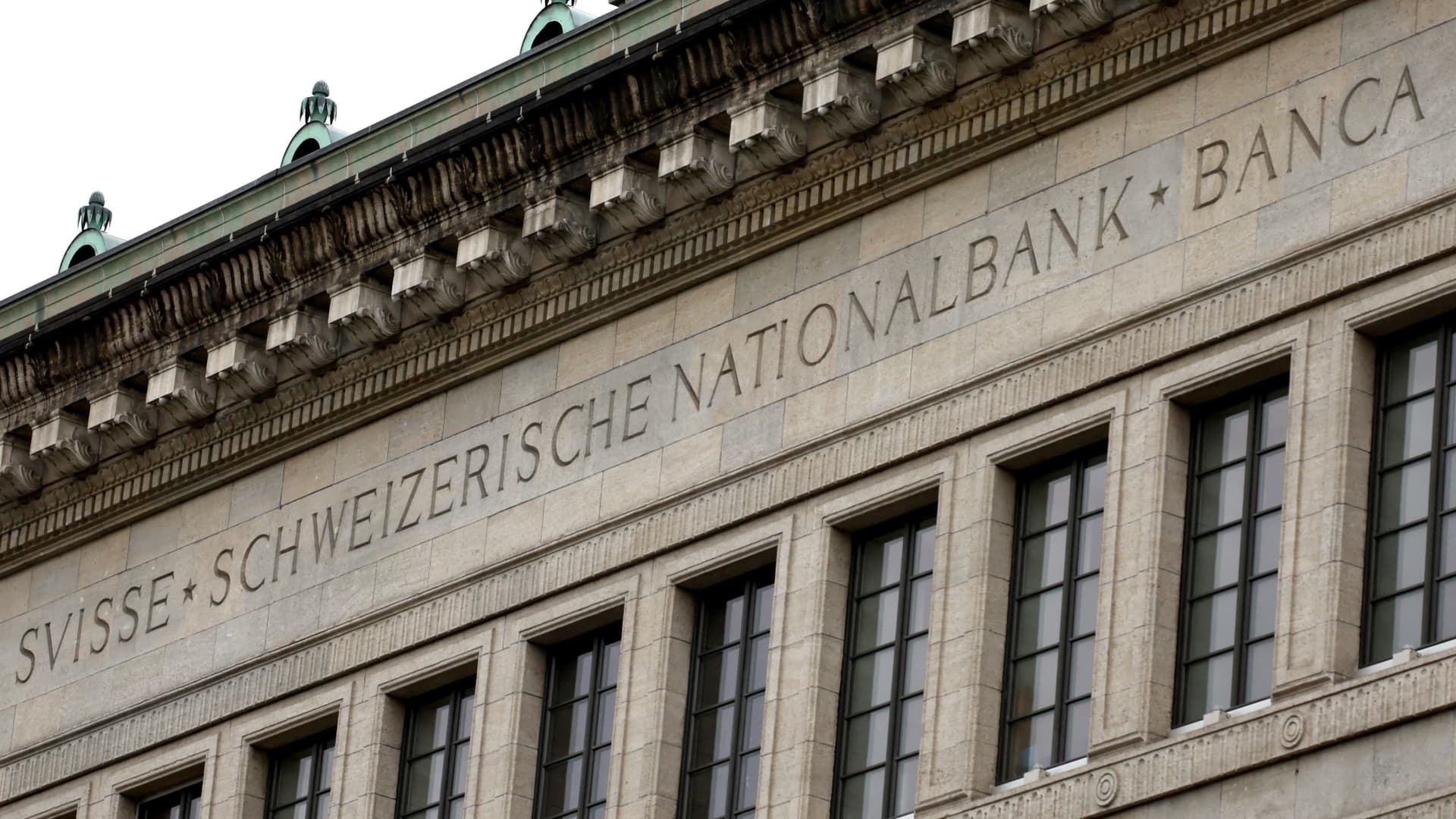
Swiss National Bank Surprises with Major Rate Cut to Combat Franc Strength
In an unexpected move, the Swiss National Bank announced on Thursday that it has slashed its principal interest rate by 50 basis points. This substantial cut goes beyond the anticipated smaller adjustment, against a backdrop of low inflation and a robust Swiss franc.
With this latest change, the central bank's benchmark rate now stands at 0.5%. Before this announcement, over 85% of economists, as surveyed by Reuters, had predicted a more modest cut of 25 basis points.
Marking a notable shift, Switzerland has become the first leading economy to significantly ease its monetary policy controls, having executed four rate cuts this year to counteract the upward pressure on its currency and the downturn in consumer prices.
Monetary Policy Adjustments
During the first assembly steered by new Chairman Martin Schlegel, the Swiss National Bank commented on Thursday that the easing of monetary policy accommodates the ongoing decline in core inflationary forces. The SNB committed to vigilantly observing the economic landscape and stands ready to tweak its monetary stance to sustain inflation levels that align with medium-term price stability.
Their revised conditional inflation forecast, altered since September, anticipates diminished prices for both oil products and food, projecting little fluctuation in the medium term.
The fresh outlook suggests that average annual inflation will sit at 1.1% in 2024, slide to 0.3% in 2025, and hover at 0.8% in 2026. These predictions assume that the SNB's policy rate will remain fixed at 0.5% throughout the entire forecast period.
Future Rate Cuts and Economic Impact
Market expectations indicate more rate reductions ahead, with the prospect of zero interest rates on the horizon by June. FX market analyst Kyle Chapman from Ballinger Group expressed concerns that the forecasted 0.3% rate for the next year could provoke discomfort among policymakers, given the trend of downward revisions at each meeting this year.
Chapman also observed that as the European Central Bank accelerates its rate cuts, the Swiss franc could experience increased pressure to appreciate, especially with the added political uncertainties surrounding a potential Trump presidency boosting safe-haven flows.
At 9:10 a.m. in London, the Swiss franc depreciated by 0.5% against the US dollar and 0.6% against the euro.
Inflation Dynamics and Economic Challenges
Swiss inflation showed year-on-year growth for November, standing in contrast to an annual rate of 0.6%. Despite the SNB's rate cuts, the franc, often seen as a safe haven amid eurozone political instability, has been resistant to losing value. This could potentially threaten Swiss export potential, which is already hindered by weak international demand and order volumes.
The latest business climate index from the Swissmechanic industry association hit its lowest point since January 2021, indicating likely reductions in orders, sales, and profit margins for the fourth quarter.
Meanwhile, the Swissmem industry association pointed to a continual decline in Switzerland's tech industries, stressing that the key economic indicators do not suggest any imminent recovery. The association underscores the necessity for political measures to facilitate access to expanding markets for Switzerland's export sector, notably through enhanced free trade agreements.
In the third quarter, Switzerland's economy recorded a below-average growth of 0.2%, following a 0.4% increase in the preceding quarter, largely weighed down by the struggling industrial sector.
The market's attention is expected to shift towards the European Central Bank's meeting later in the session, where a 25-basis-point rate cut is widely anticipated.
Leave a Reply