


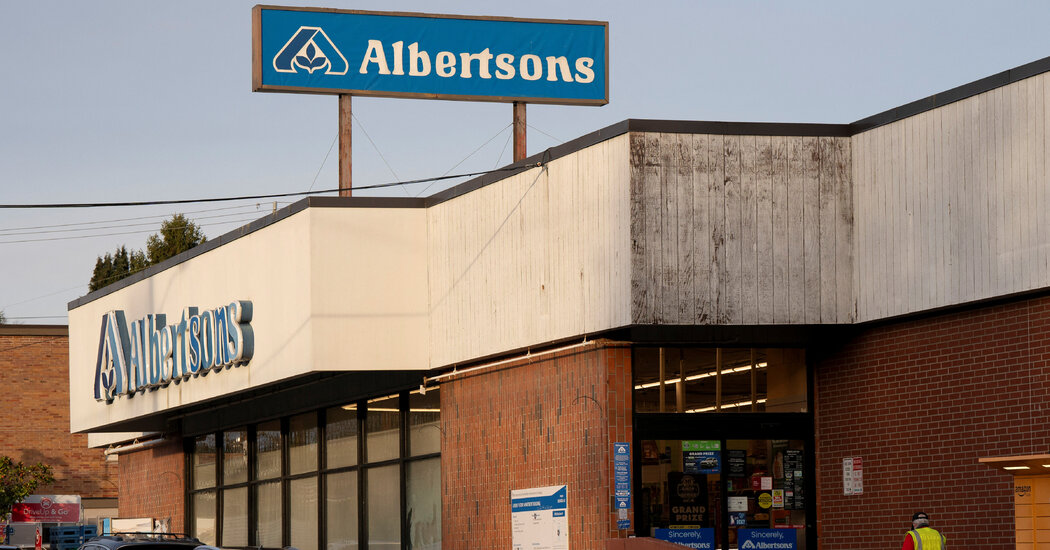
Albertsons Withdraws from Kroger Merger, Initiates Legal Action After Judicial Blocks
Albertsons intended to merge with Kroger in a deal worth $25 billion, but faced legal challenges from regulatory bodies over fears of diminished competition.
On Wednesday, Albertsons announced the termination of its merger with Kroger after a federal court and a state court imposed blocks on the undertaking the day before.
Set to be the largest union of grocery chains in U.S. history, the merger faced objections from three court cases, including one launched by the Federal Trade Commission, over concerns about price impacts and reduced market competition. Federal Judge Adrienne Nelson, representing the Oregon district, paused the merger, aligning with regulators worried about consumer and employee consequences.
In Washington State, a similar judicial decision further complicated the path for the companies.
“Faced with recent federal and state rulings against our intended merger with Kroger, we have made the tough choice to dissolve the merger agreement,” Albertsons CEO Vivek Sankaran remarked. “We are profoundly disappointed by these court rulings.”
In addition, Albertsons filed a lawsuit against Kroger in Delaware’s Chancery Court on Wednesday, claiming substantial financial damages and accuses Kroger of not putting in adequate effort to obtain regulatory approvals. Albertsons accuses Kroger of failing to divest necessary assets for antitrust clearance, ignoring regulatory input, and refusing better potential buyers for divested stores.
Kroger has yet to issue a response regarding the merger dissolution and the legal action undertaken by Albertsons.
Over the past two years, both supermarket giants have invested upwards of hundreds of millions in a deal that would create a merged entity valued at $200 billion, managing 5,000 grocery stores nationwide. The chains argued that joining forces was vital to remain competitive against industry leaders like Walmart and Amazon.
There is a notable overlap in market presence for both chains in areas such as Los Angeles, Seattle, and Chicago. Kroger had attempted to address regulators’ market consolidation worries by proposing to sell 579 stores to C&S Wholesale Grocers, but the plan was met with skepticism by regulators about its effectiveness at tackling competition issues.
The Oregon court's decision reflects a victory for Lina Khan, then-chair of the FTC, known for her stance against the power of major corporations. Following that decision, President-elect Donald J. Trump announced Andrew Ferguson, a Republican member of the commission, would succeed her leadership.
Leave a Reply